
Roman Roads Press Spring Sale
Welcome to the 2026 Spring Sale! This is the best time of year to purchase curriculum.
We have extended the Spring Sale through April 29th! This is due to three new product releases just announced. The extra week will allow families to explore these new products.
Three Announcements + A Brief Contemplation on America 250
Prefer to read the announcement?
Friends, Americans, countrymen, lend me your ears!
I have not one, not two, but three very exciting announcements to make!
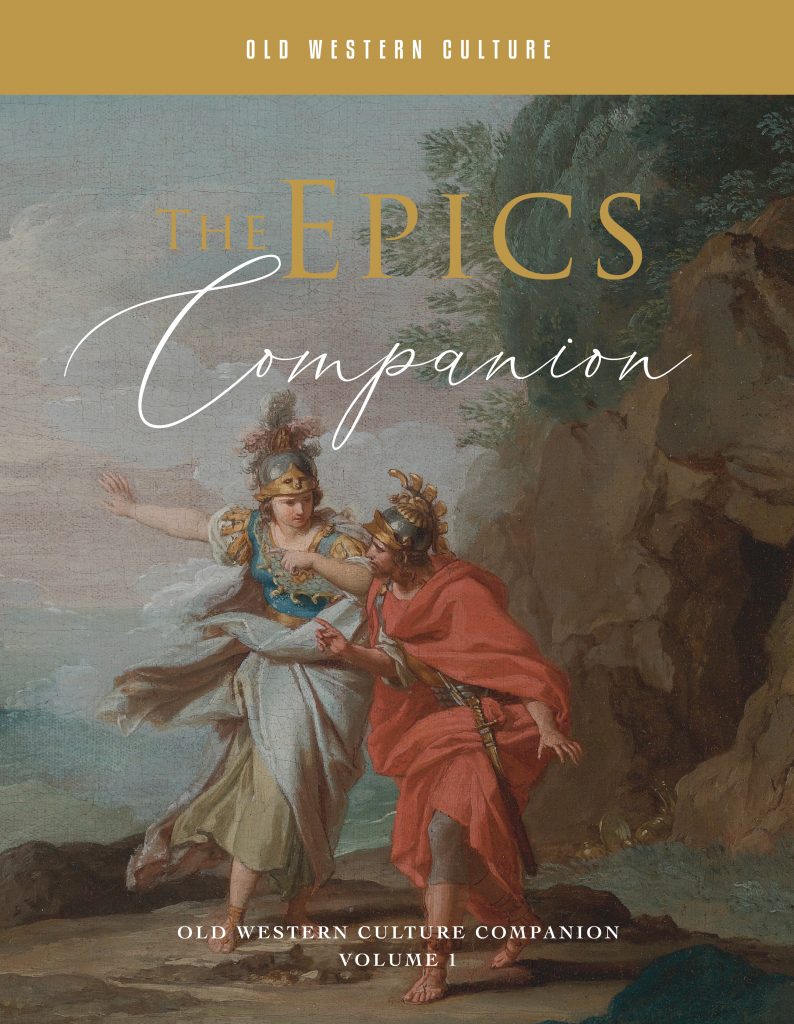
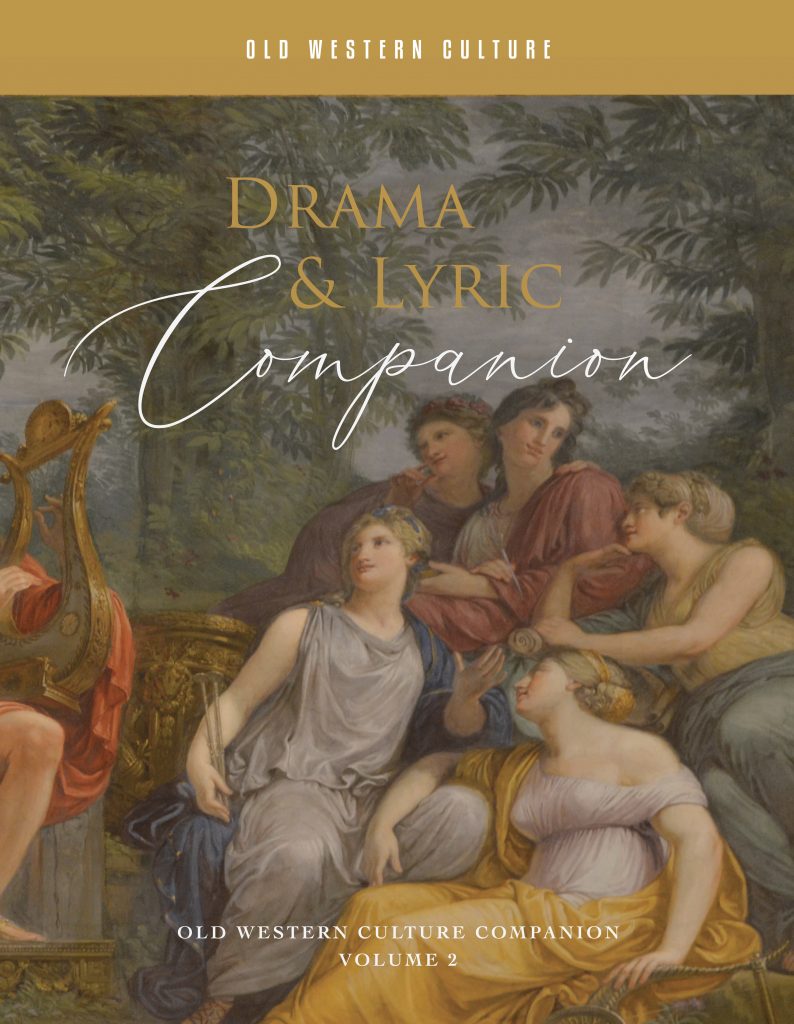
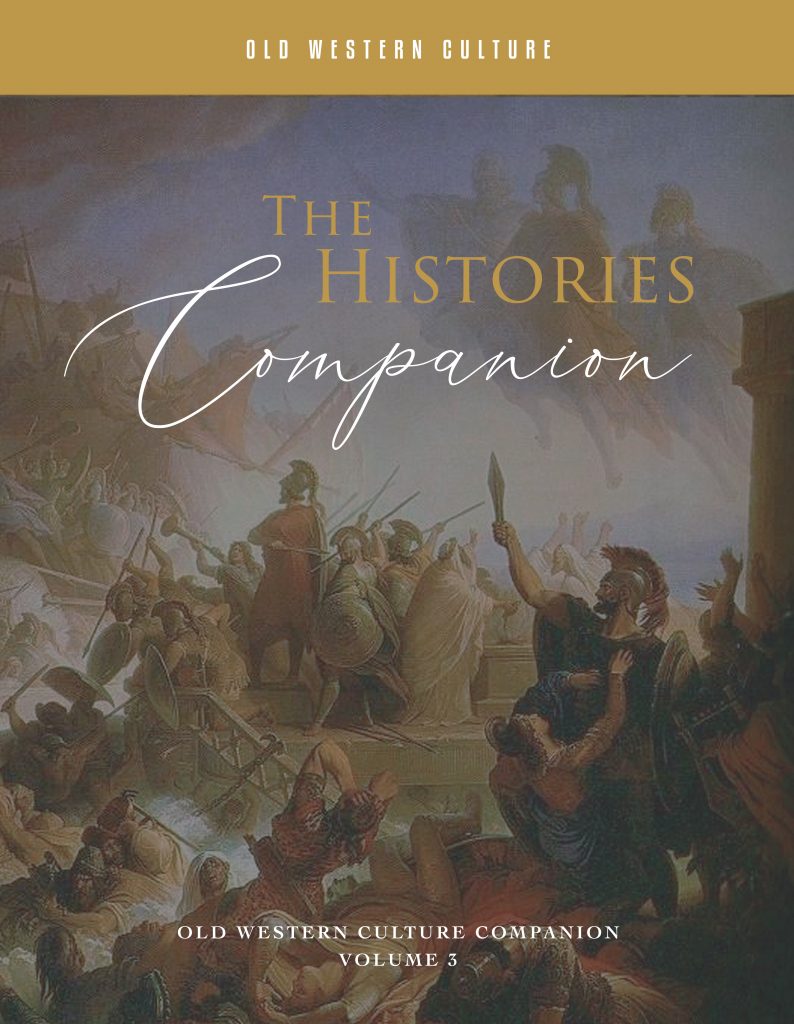
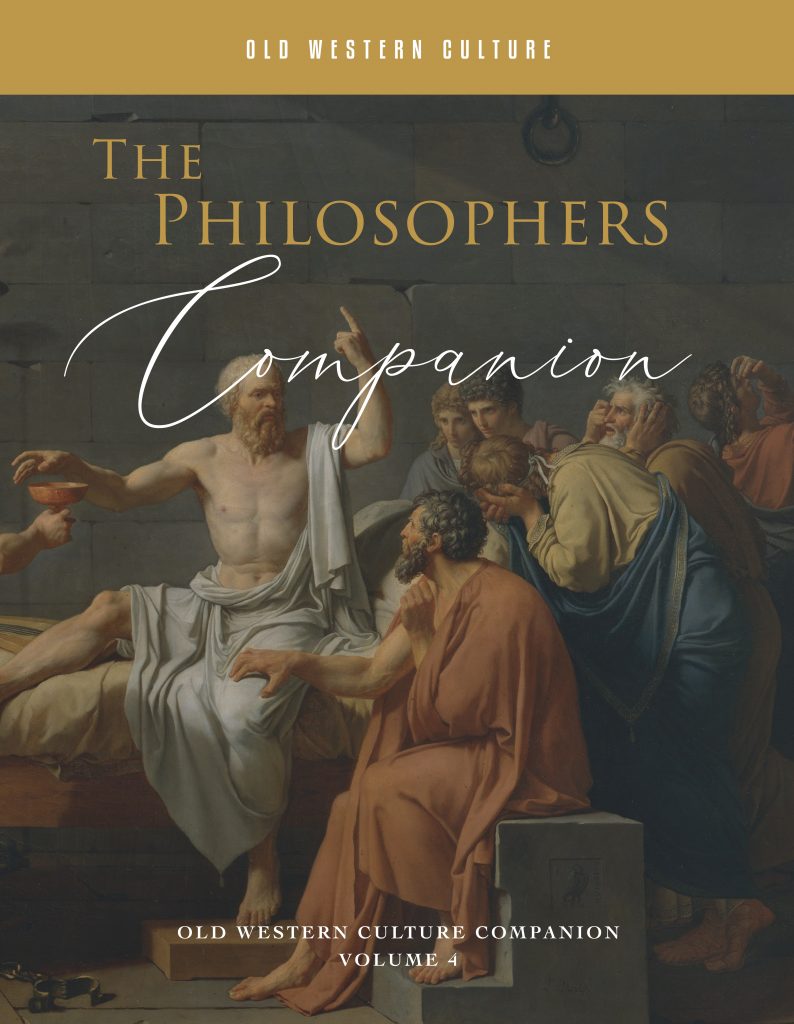
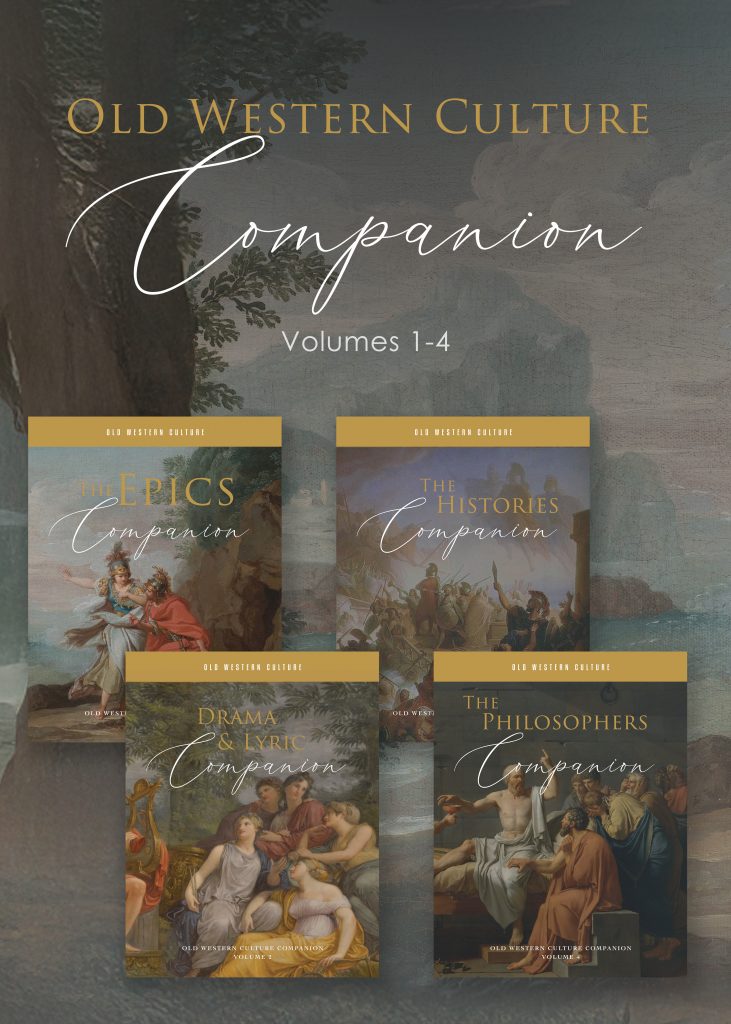
At the start of our Spring Sale, we announced the Old Western Culture Companion Series, and we are thrilled at the reception! It is obvious this fills a need and desire in a great books curriculum, and makes Old Western Culture an even greater and more delightful tool for teaching and reading the great books. And it is beautiful!
Before I get to the new announcements, a few very quick additional details about the OWC Companion Series, as we’ve received some questions.
YES, we are publishing all four years, a total of 16 units! We are not selling years 2-4 just yet because the timeline is not set in stone. Our aim is to release four units per year, or faster. Units 1-4 (The Greeks) are available for order today, and they are still on sale! As a result of the delayed release of the following three announcements, we are extending our Spring Sale by a week, as we needed a bit more time before we could announce the following releases, and families are discovering Roman Roads through these new products.
So, back to the announcements:
First Announcement: Word Hoard: The Rhetoric of Poetry, by Joffre Swait. This new curriculum is a rhetoric course. And it’s a poetry course. But it would be better described as a bootcamp in Wordcraft. In fact, we have added a new category on the Roman Roads Press website, that reflects our recommended Scope and Sequence, and joins together subjects often wrongly studied in isolation one from the other. Instead of Poetry, Logic, and Rhetoric as distinct categories, we now group these under one category: Wordcraft. And this is a great way to explain what Word Hoard is, and where it fits in the curriculum.
Word Hoard is the capstone of a classical education. While any high school student and above can jump right into this course – there is no strict prerequisite – the ideal preparation is a foundation in the grammar of poetry, followed by the ability to reason through formal and informal logic, followed by the formal study of Rhetoric, and the modes of persuasion. This is the ideal preparation for Word Hoard, the Rhetoric of Poetry. Let me quote the back cover for a moment: “Word Hoard is a practical guide to nobility through understanding and wielding the English language in its most elevated forms. It is an exercise book on truth, beauty, and goodness as spoken.
This book will help grow your skill and confidence in poetry, your aesthetic sensibility, and your rhetorical performance. As you will soon learn, our words are our greatest treasures, our finest tools, and our most dangerous weapons. As speakers of the good word, the good-spell, the gospel, we will not allow the destroyers and robots to hold the field.
As English speakers, we have an incredible poetic heritage. We come from a people who mightily and manfully valued verbs and verse. The speakers of Old English loved their swordplay and their poems and their poems about swordplay.”
And this a great way to introduce our second announcement:
Second Announcement: We have a republic to keep!
As we hone our Wordcraft, there is a forgotten realm that desperately needs remembering. Last year we released The Forgotten Realm, which is a guide to the civil realm and how it works. We are pleased to announce that for the 250th anniversary of the United States, the accompanying Curriculum, The Civil Realm, will be available! The Civil Realm curriculum is a one-semester course (or one year with additional readings) that teaches how the civil realm works, and what it means to be a citizen of the United States, with application on how and why every citizen can be involved in the civil realm all around them, especially at a local level. Do you know the name of your mayor, city councilors, county commissioners? Do you know what they do? This curriculum is for every citizen young and old, not just those “interested in politics” (although elected officials have told us they wished they had this book before they ran for office!). We have also collaborated with the Classic Learning Test to ensure that it is also excellent preparation for the CLT Civics Exam releasing this July 4th. I started this announcement by saying, we have a republic to keep. You may know the famous reply of Benjamin Franklin when asked if we had a republic or monarchy: “A republic, if you can keep it”, emphasizing that the new American government required active civic duty and vigilance to survive. For centuries, this was instilled in Americans. But over the last generation, we have forgotten the civil realm. It’s time for American citizens to do more than rage-vote every election cycle. And that starts with understanding how the civil realm works, and how it is all around us.
Related to the Civil Realm Curriculum is a new Roman Roads Classics: Foundations in Liberty: The Founding Documents that Shaped American Freedom, edited with introductions by Elizabeth Landis, author of the Civil Realm Curriculum, and covering foundational documents that shaped our nation, from the Magna Carta, to the Mayflower Compact, to the Declaration of Independence and Articles of Confederation, and of course our Constitution. That is available for pre-order today, and will be released in time for the 250th birthday this July 4th.
Third announcement:
The Aeneid Reader’s Guide is out! In this Reader’s Guide to the great epic that is the founding myth of Rome, Joe Carlson walks through the poem’s twelve books, offering for each a list of the characters and places, in-depth summaries, and several analyses that explore both what Vergil is doing and its relevance to a modern audience.
Tying it together: A Brief Contemplation on America 250
Permit me to tie these three announcements together in a single theme and cast a vision for American households. This July, America turns 250 years old.
I do not believe it is possible to fully and completely understand what it means to be American without understanding what it means to be Roman. If you read the American founders, you will find not incidental, but constant references to Roman history and historians and republican ideals. The American founders self-consciously modeled our Republic after the Roman Republic, as it was inherited through Christendom. I recently visited DC, and was amazed at just how visible that mark is even on our architecture. Students of Old Western Culture will recall in The Romans how George Washington modeled himself after the great Roman Cincinnatus. American ideals–concepts of Freedom, of Duty, of honor, of law and order, of Patriotism–are uniquely Roman. I grew up in France, which allowed me the perspective of realizing these are uniquely American values–and they are good. And the most important work of all Roman history is Vergil’s Aeneid, the founding myth of Rome, which shaped Rome’s ideas and thoughts. So much so that we see echoes of it throughout the New Testament, as the Roman-Paul preached to Roman citizens, and explained the Gospel in Roman terms.
But it is not enough to reminisce and love America, though that is important. It is not enough to study her history, and understand her beginning, though that is important. It is not until we understand our roles as citizens and how the civil realm works that we can truly take possession of the incredible inheritance left to us by our American founders. And it is a fragile thing. A Republic, IF we can keep it, said Franklin.
And training the next (and current) generation is the objective of The Civil Realm Curriculum. The Civil Realm Curriculum is a practical guide, not merely theory. Students fill out their “Civic address” and walk away not only knowing what a county commissioner does (for example), but what their name is, and in many cases (we hope most), a county commissioner will know your student’s name as well. City councils across the nation will not understand where all these young people came from. Families and churches will be able to pray for their rulers by name. Not abstractly. And it will be a great blessing to this nation.
But with that task comes the need for wielding words wisely, effectively, and powerfully. And that is why you need an arsenal at your disposal – you need to build your Word Hoard.
Summary
Understand who we are (We are Roman and American, we are Christian). Understand what we are as a nation and how we work (The Civil realm).
And then if those things have sunk into our bones, the result must be–ought to be–gratitude. And the entire culmination of a students education, the ultimate visible, audible, tangible, mark-leaving, test of a student’s education will be his or her words.
This is the part a student takes into the world every day, in the workplace and home, speaking to your children, your boss, your civic leaders, preaching or teaching or encouraging or defending or tearing down or admonishing or loving: you will use words. You will use your Word Hoard.
In the beginning was the Word, and the Word was with God, and the Word was God.
We are people of the Word, and therefore we should be people of words.
May God bless your family as you seek to inherit the Humanities. And my prayer is that our curriculum, and these new releases in particular, will be powerful in your hands for the task at hand.
NEW RELEASES ADDED THIS WEEK
-
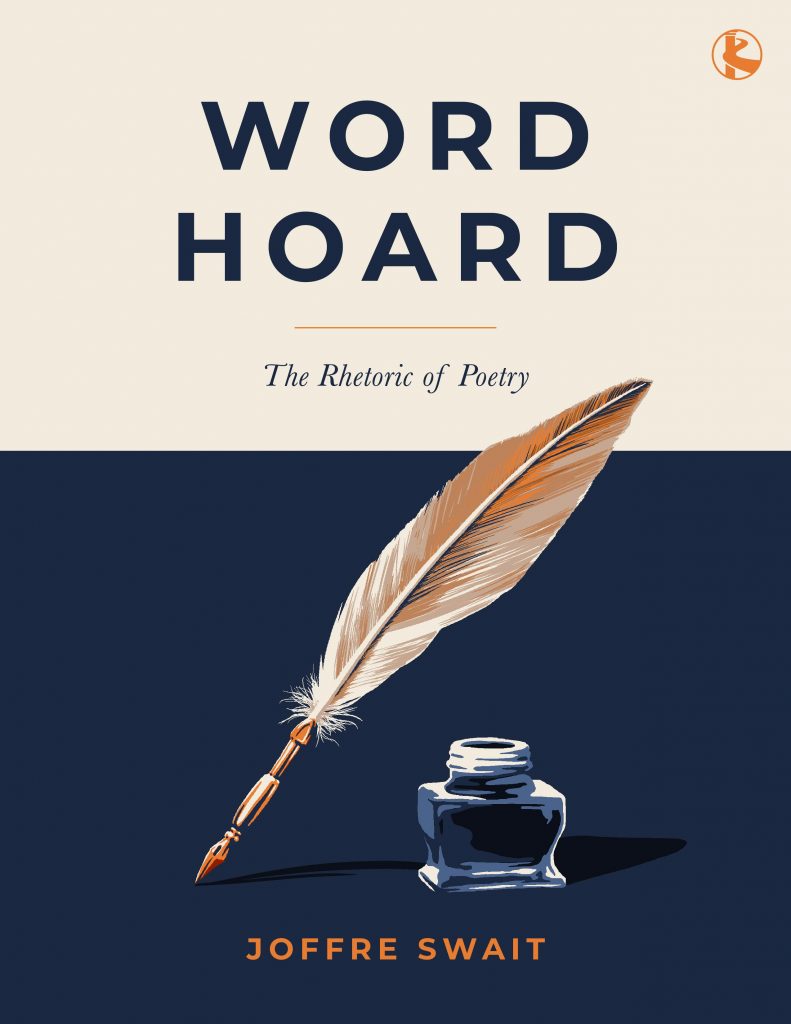
Word Hoard: The Rhetoric of Poetry (Student Text)
$49.00 -
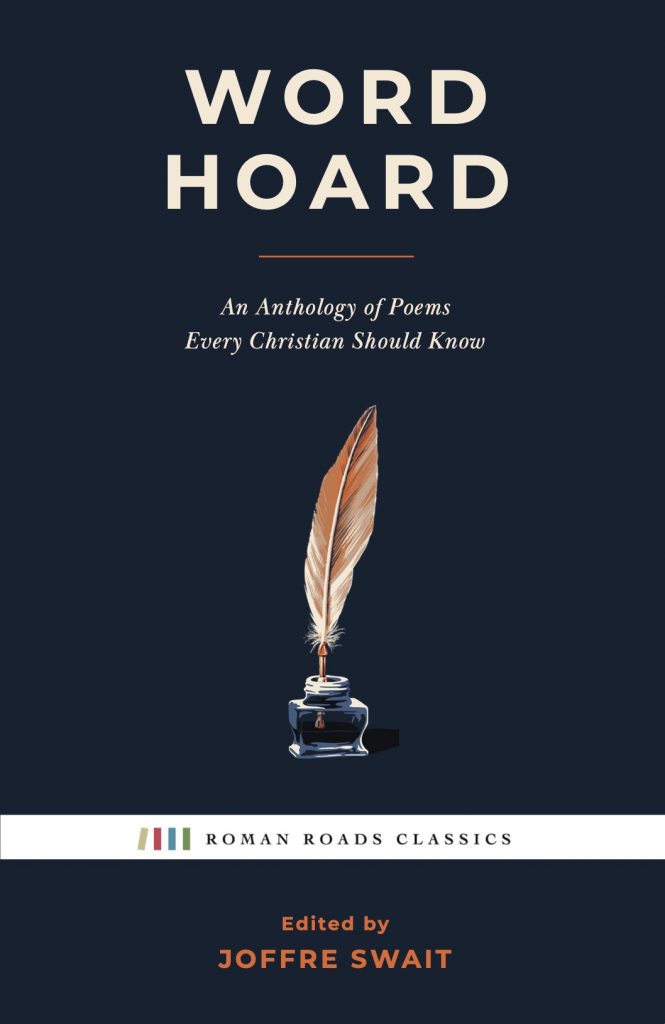
Word Hoard: An Anthology of Poems Every Christian Should Know
$28.95 -
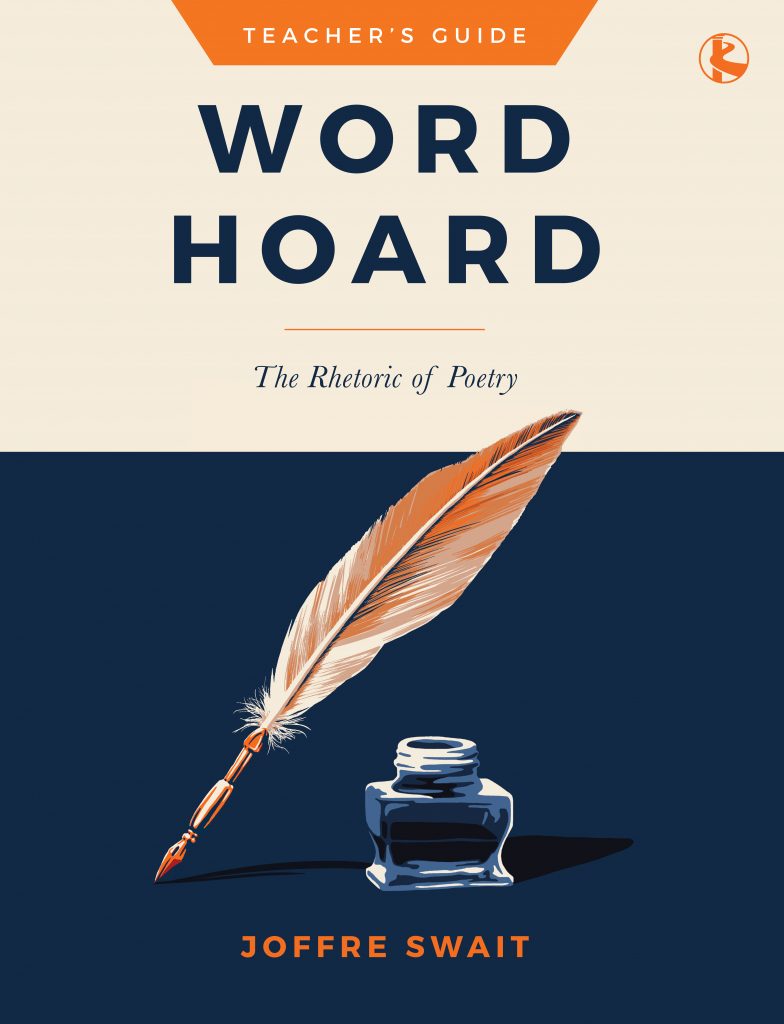
Word Hoard (Teacher’s Guide)
$20.00 -
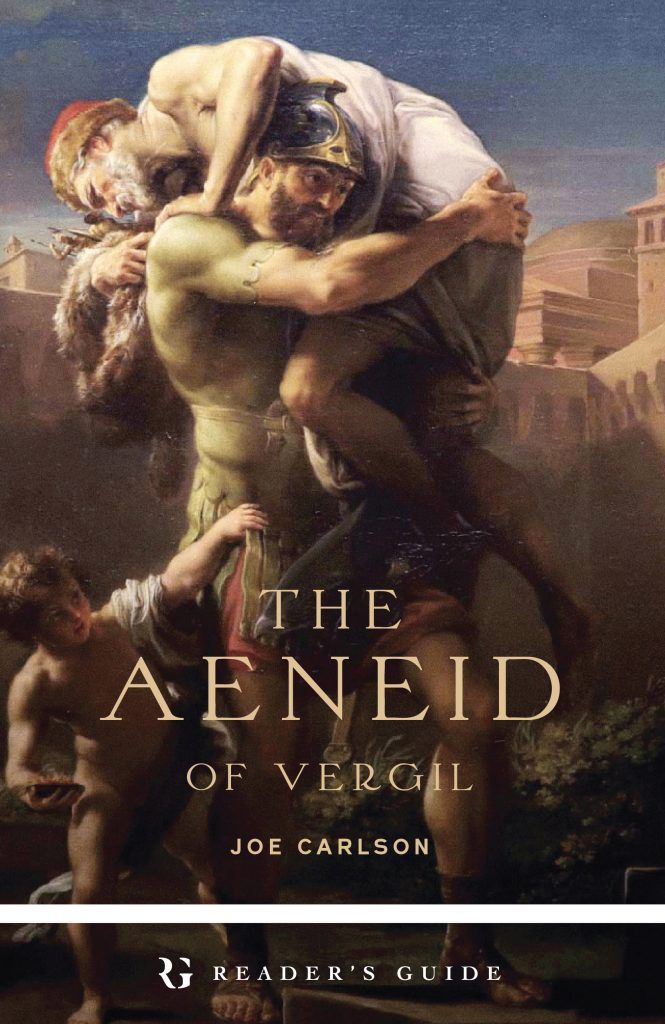
The Aeneid of Vergil: Reader’s Guide
$21.95 -
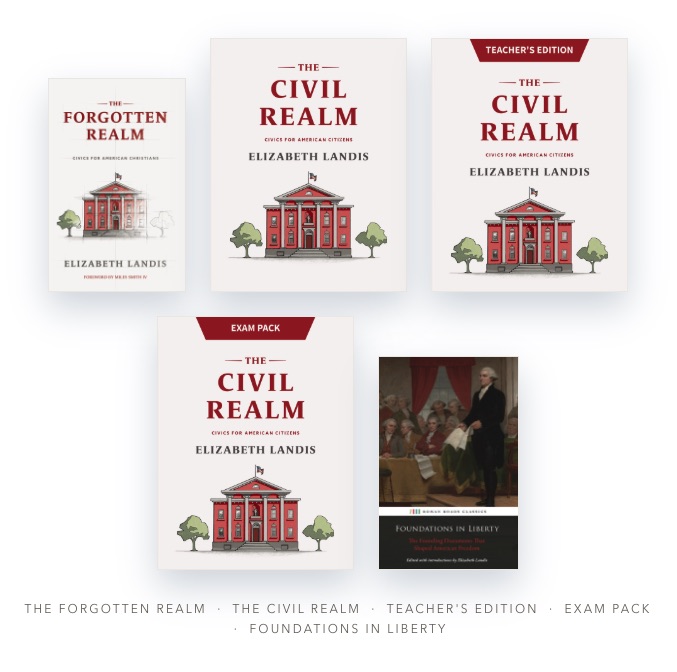
The American Civics Curriculum – Full Bundle
$126.90 -
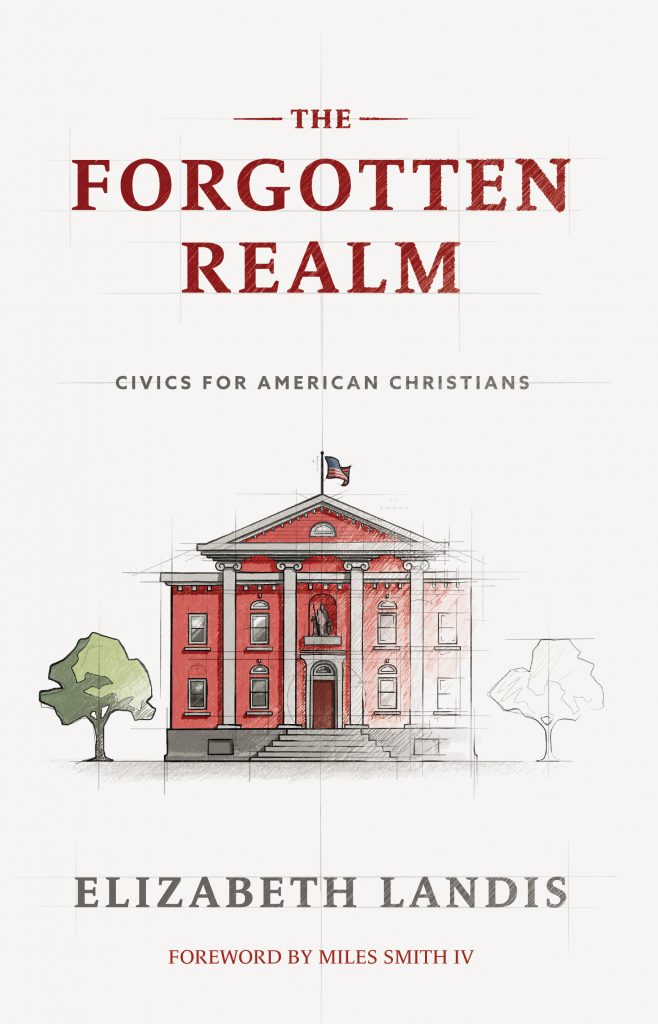
The Forgotten Realm – Civics for American Christians (Sourcebook)
$34.95 -
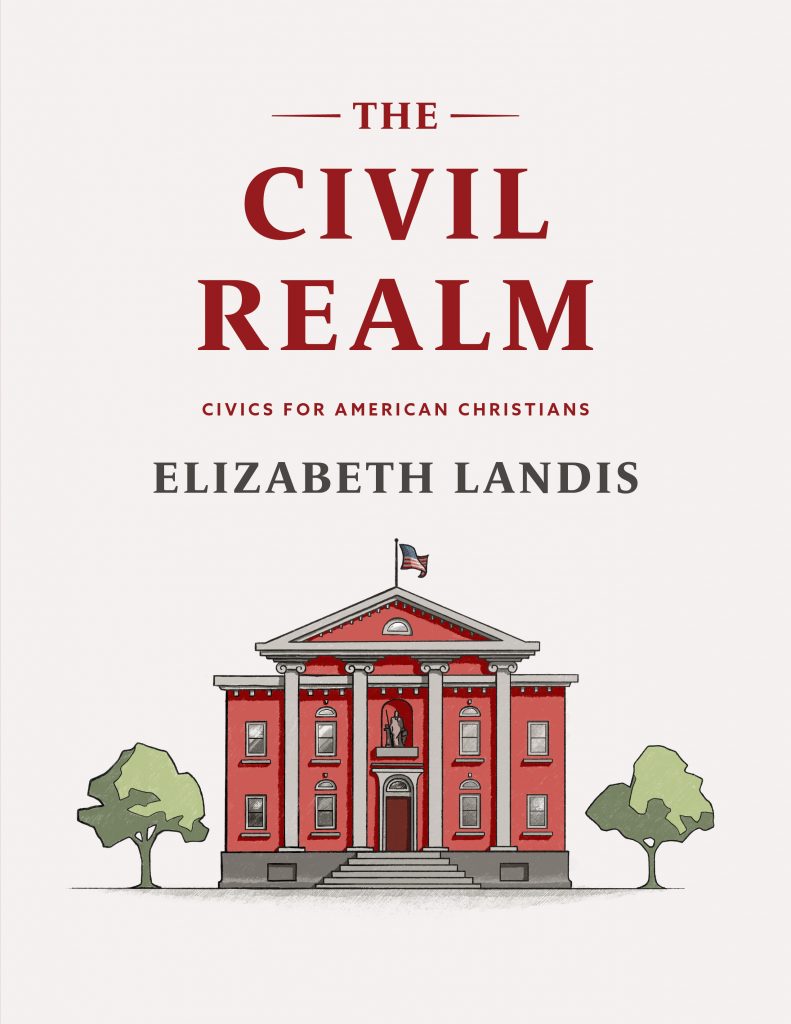
The Civil Realm: Civics for American Citizens, Student Text
$32.00 -
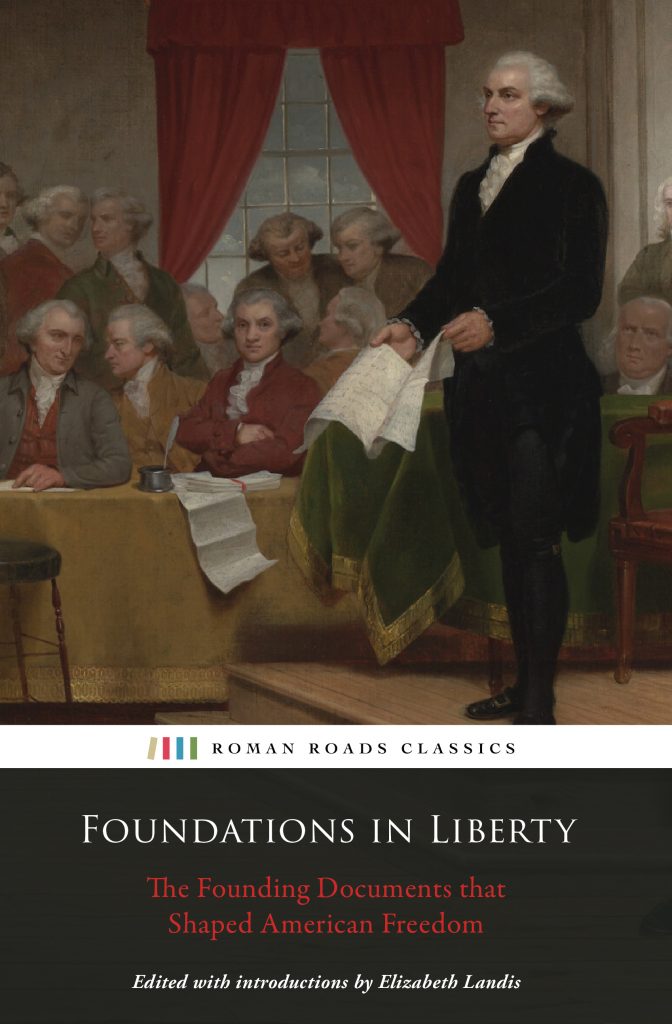
Foundations in Liberty: The Founding Documents that Shaped American Freedom
$17.95
Introduction: Beauty and Education
Central to Roman Roads’s mission of uniting beauty and education is our flagship product Old Western Culture. Our emphasis on making a beautiful product which trains the eye, mind, and heart to behold beauty and cultivate wonder has set Old Western Culture apart from other curricula.
ART
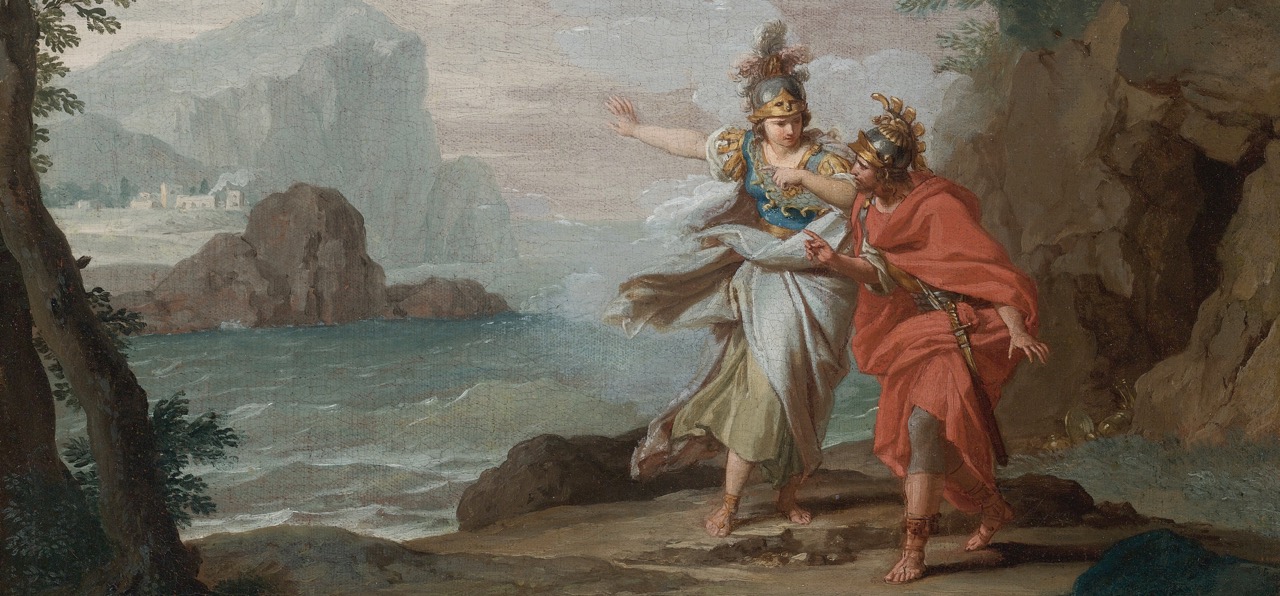
Throughout the course we share and discuss the artistic accomplishments of the different ages of the West, as well as the art connected to the literature being studied. More on this in our forthcoming announcement of The Old Western Culture Companion!
SETTING
Instead of filming the lectures in front of a whiteboard or podium, our primary lecturer, Wes Callihan, sits in his own library, among the classics he’s discussing, letting the works of the ages set the stage for the poetry, history, and stories he shares. Our other authors have the studio adapted to their most natural setting. For Mitch Stokes, that was a traditional chalkboard. For Peter Leithart, it was the podium. For Joe Carlson, a desk.
INTEGRATED USE
This curriculum is intended for more than just students: we want to see these works enriching the lives of whole families and future generations of Western Christians. That’s why we started the Great Books Reading Challenge for Parents. The parents of our students read the texts and watch the lessons of a particular portion of OWC which we offer for free during the challenge. Furthermore, Old Western Culture is used by teachers for teacher training, and adult learners of every age. Like Lewis’ comments about children’s literature, if a curriculum is loved and inspiring to students, it should be to university professors and teaches and entire families as well.
If you desire to inherit these great books of Western civilization in your home, Old Western Culture is a beautiful tool for the job.
Blessings, Daniel Foucachon
CEO, Roman Roads Press

SPRING SALE HIGHLIGHTS

Up to 25% off Roman Roads Press books and curriculum. No coupon needed.
Bundles/full-year reflect deepest discounts.
Save an ADDITIONAL 5% when you share the sale. Share the sale (on social media, email, or any other way), then use the code.
Tagging us on social media always very appreciated!

OLD WESTERN CULTURE


-
 Old Western Culture: The GreeksPrice range: $299.00 through $583.00
 -
 Old Western Culture: The RomansPrice range: $299.00 through $583.00
 -
 Old Western Culture: ChristendomPrice range: $299.00 through $583.00
 -
 Old Western Culture: Early ModernsPrice range: $299.00 through $583.00
OLD WESTERN CULTURE COMPANIONS
CALCULUS FOR EVERYONE
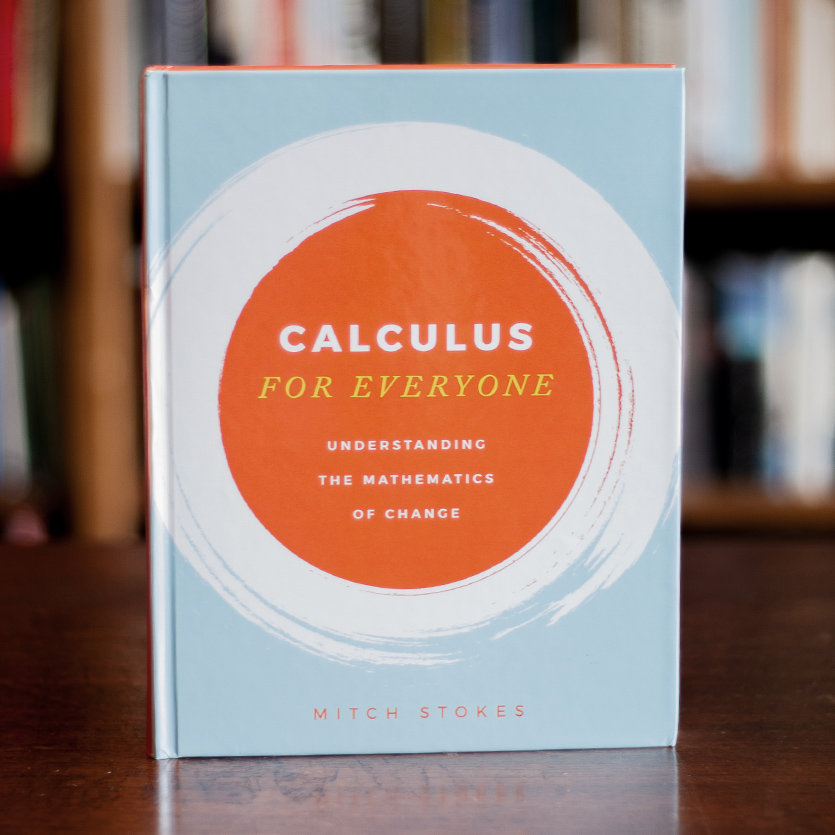
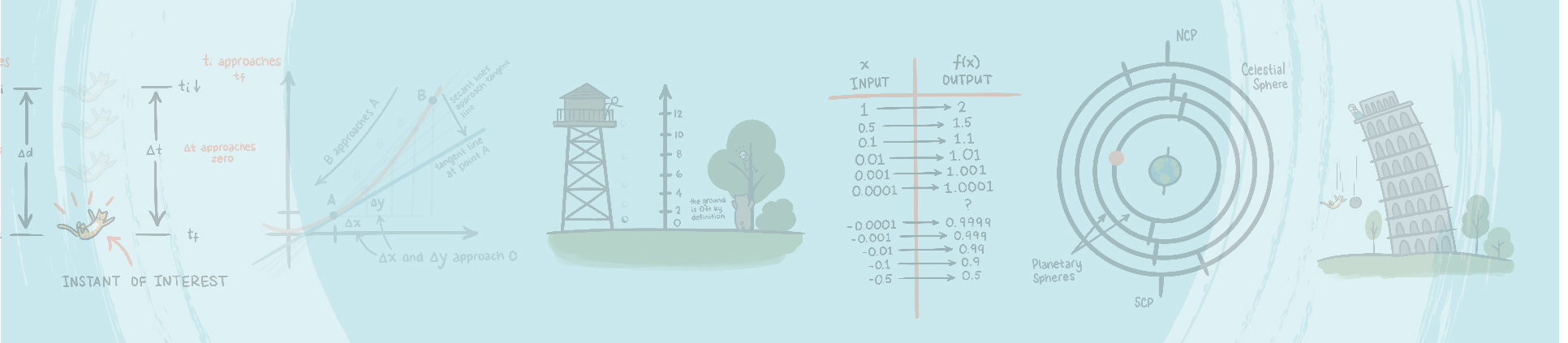
Calculus for Everyone teaches Calculus. But it also represents one of the first tangible steps in recent years at reunifying STEM (Science, Technology, Engineering, Math) with the liberal arts. The goal is to produce a generation of classically educated students who understand the history of math, and will be better equipped to solve problems like our current crisis in Physics.
Grades: 10-12 + College (Algebra 1 pre-req)
Format: Hardback textbook (integrated exercises) and video course. Exercise Solutions available.


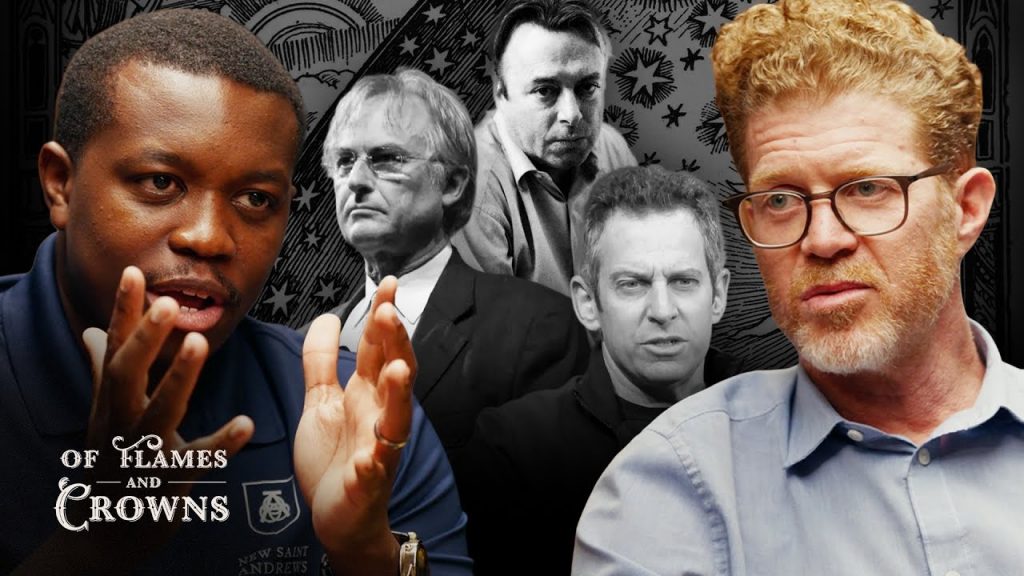
When Atheists Can’t Do the Math
Get to know Dr. Mitch Stokes, author of Calculus for Everyone. (click the image to watch Of Flames and Crowns episode).

NEW RELEASES

-
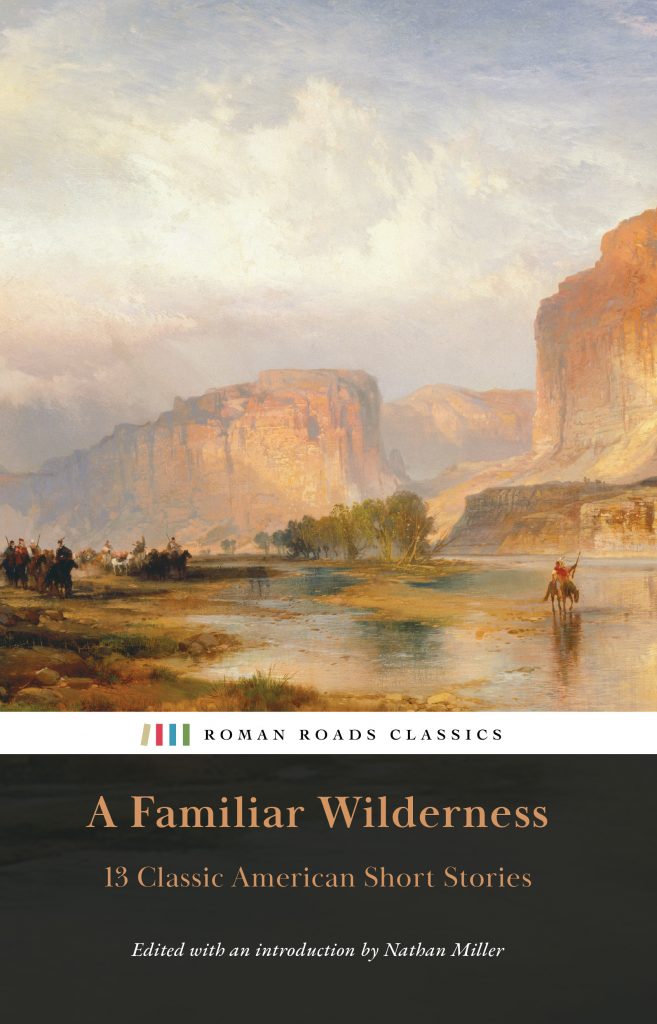
A Familiar Wilderness: 13 Classic American Short Stories
$17.95 -
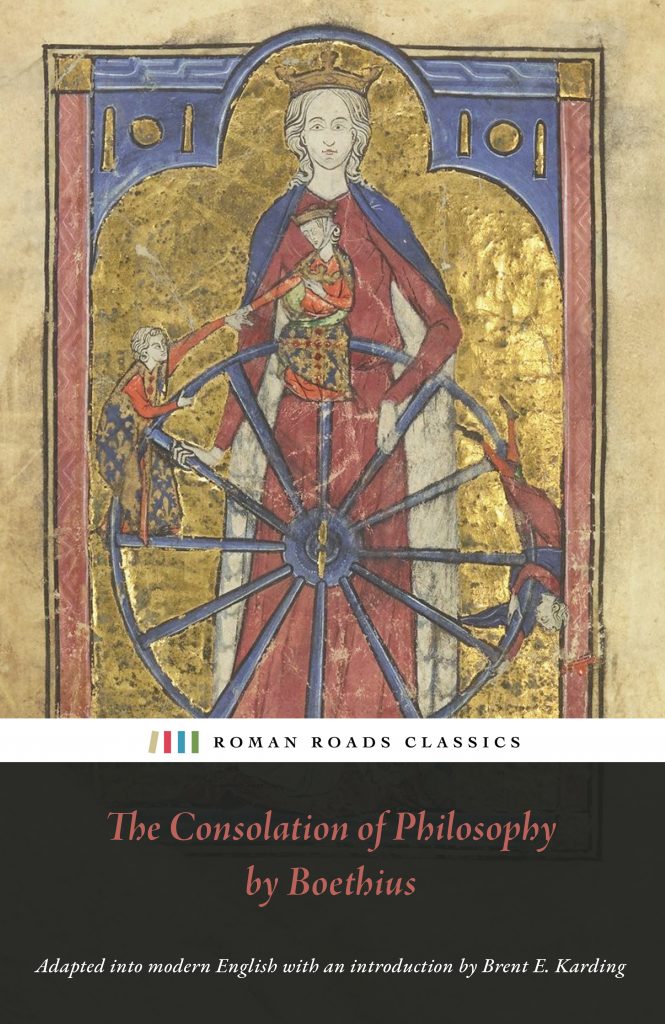
The Consolation of Philosophy by Boethius
$17.99 -
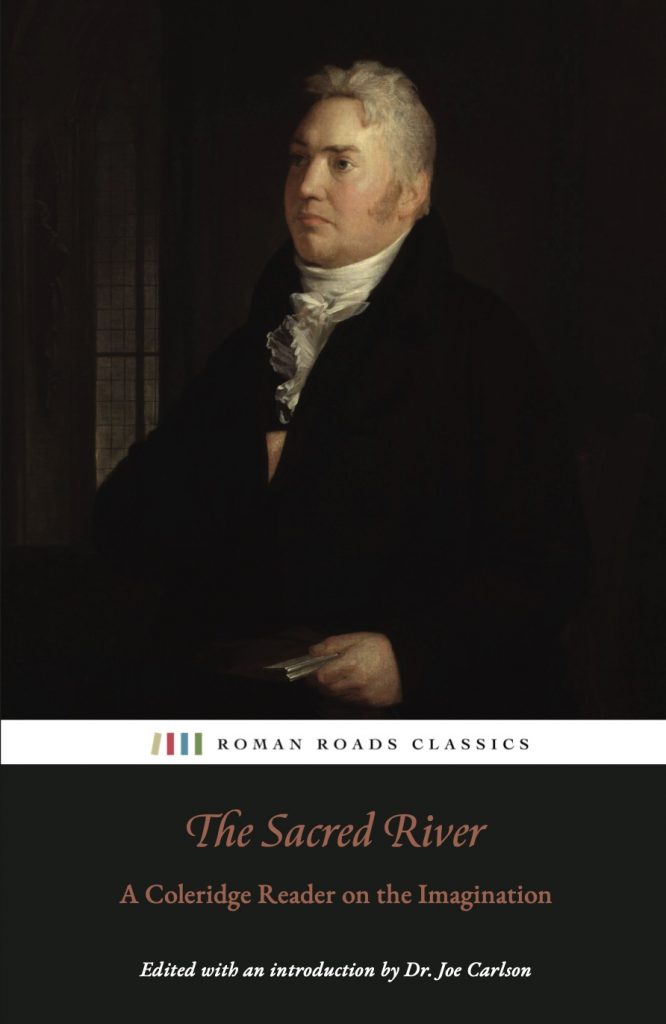
The Sacred River: A Coleridge Reader on the Imagination
$17.99 -
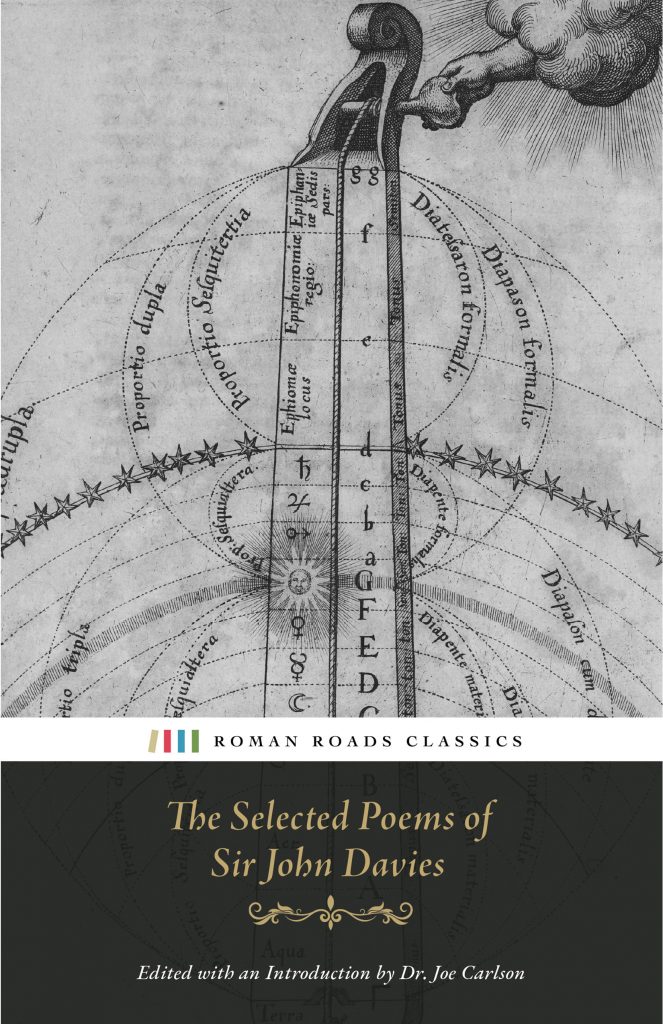
The Selected Poems of Sir John Davies
$17.99 -
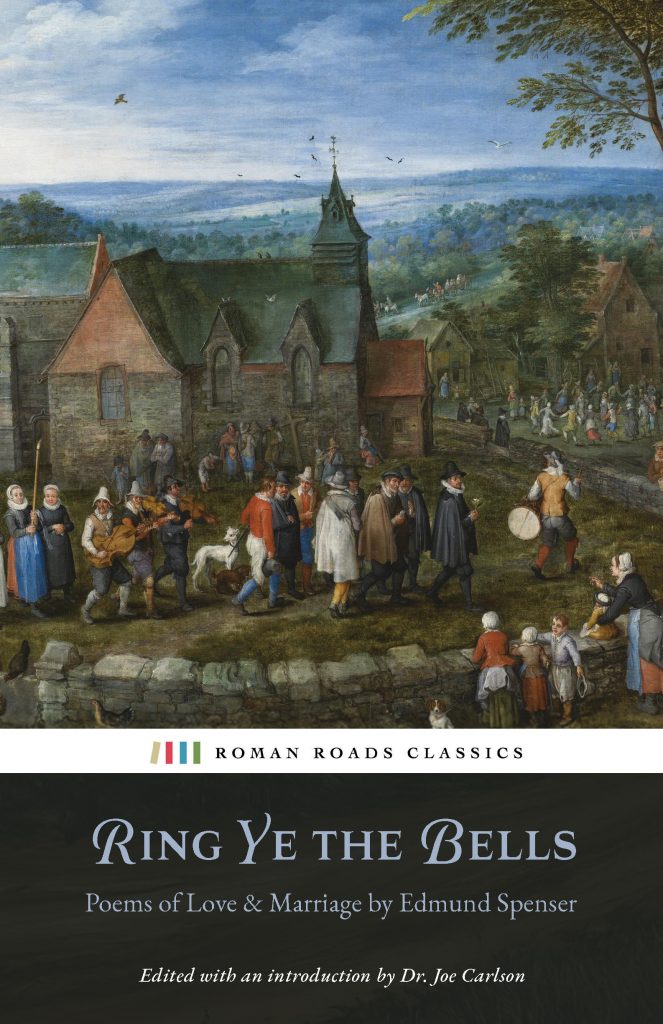
Ring Ye the Bells – Poems of Love & Marriage by Edmund Spenser
$17.95 -
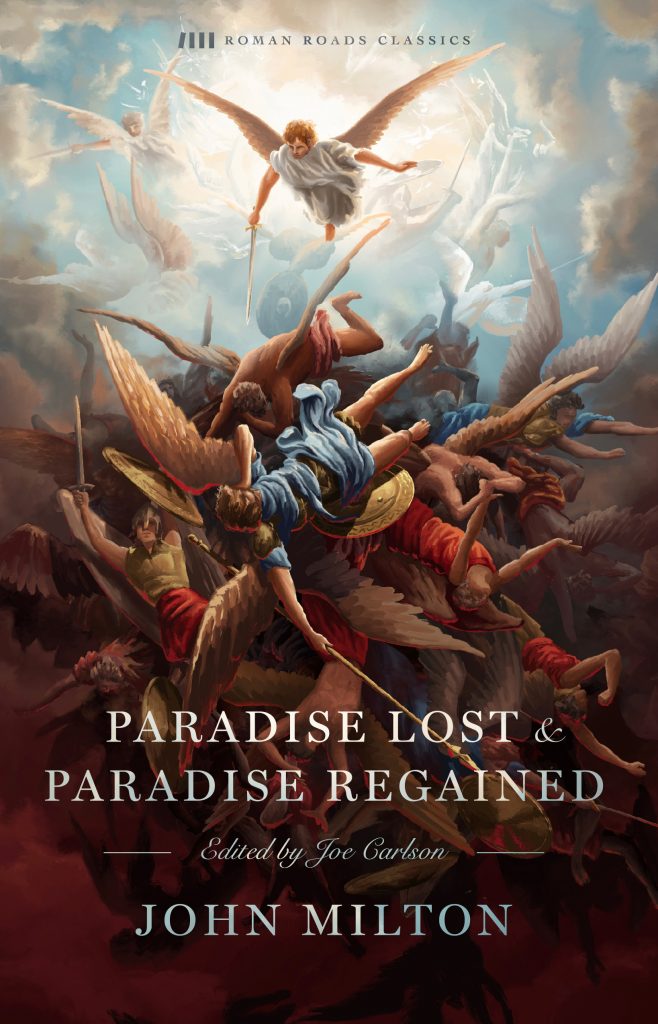
Paradise Lost and Paradise Regained
$23.95 -
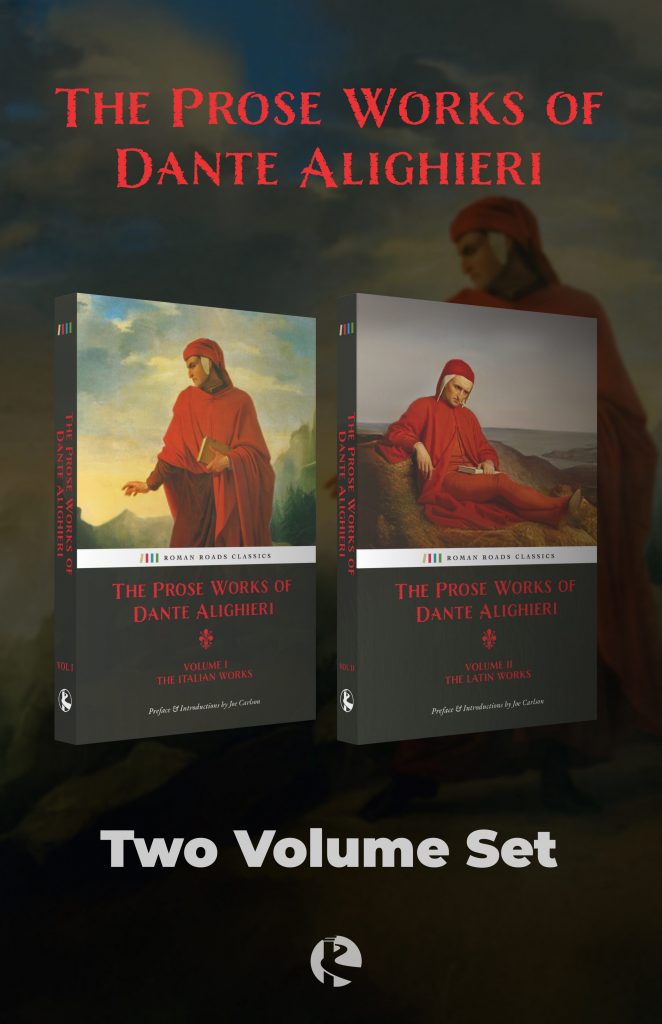
The Prose Works of Dante Alighieri
Price range: $17.95 through $69.95 -
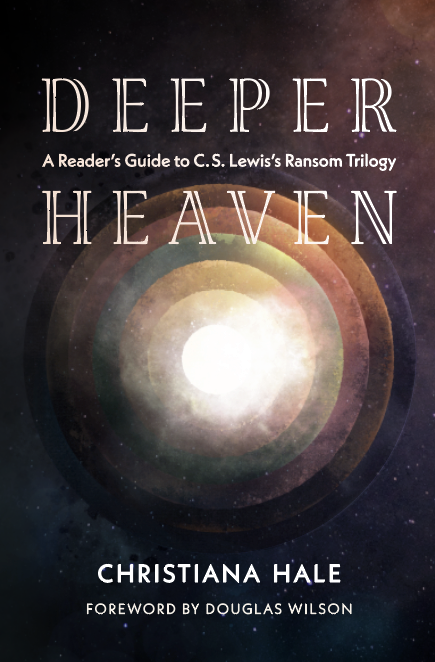
Deeper Heaven: A Reader’s Guide to C. S. Lewis’s Ransom Trilogy
$26.95 -
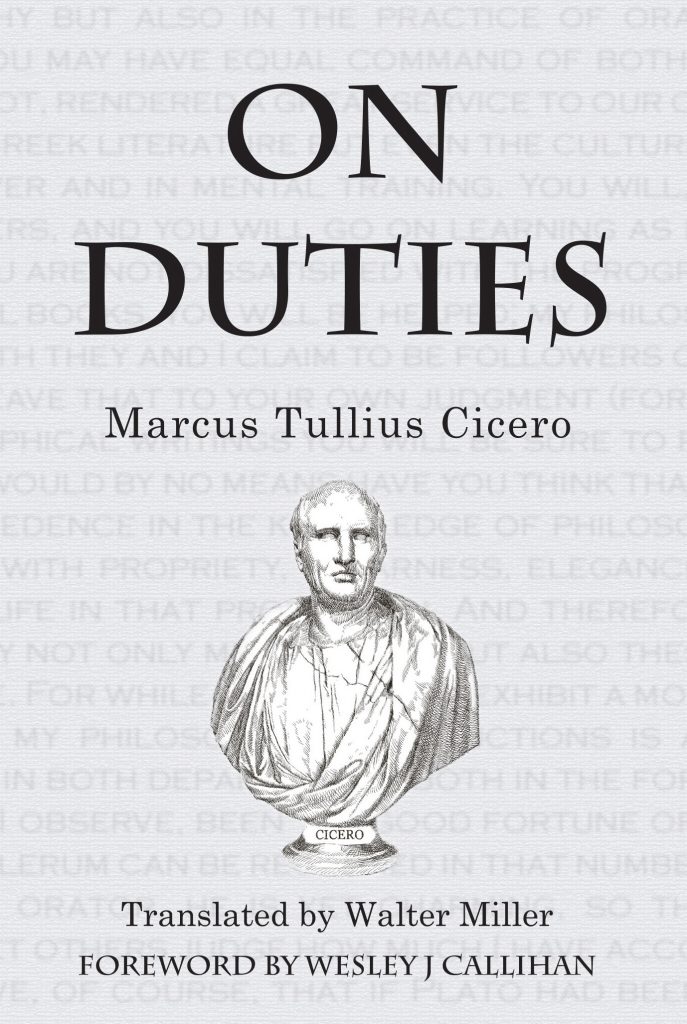
On Duties
$12.99 -
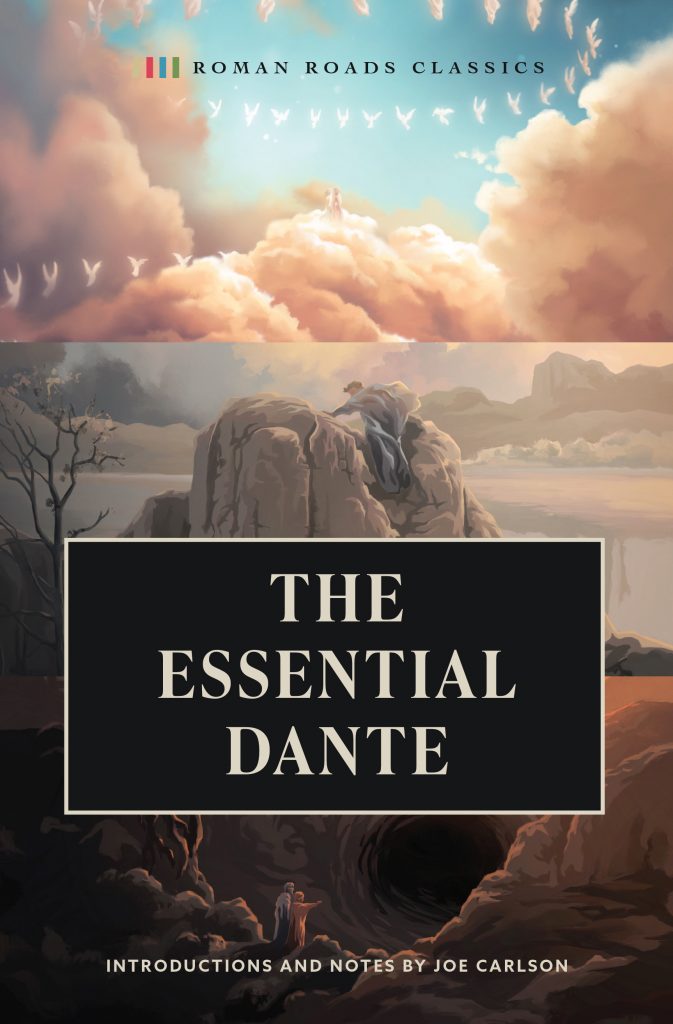
The Essential Dante
$34.95

THE DANTE CURRICULUM
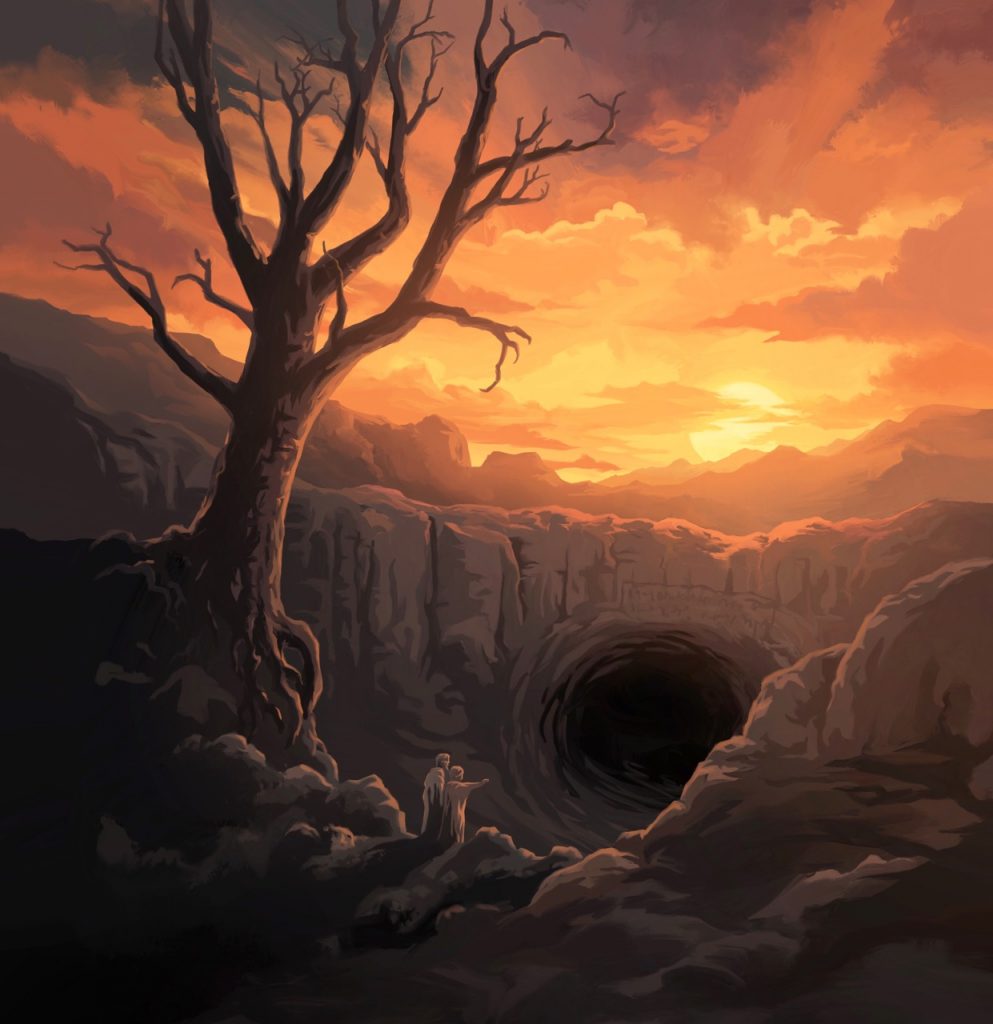
A new translation of Dante’s Divine Comedy and curriculum by Joe Carlson.
Grades 9-12, and adult education.
Available Components:
- Divine Comedy texts
- Reader Guides
- Comprehensive videocourse
- Teacher’s Edition with Lecture Notes
- Audiobooks
-
 Dante’s Inferno$21.95
 -
 Dante’s Purgatorio$21.95
 -
 Dante’s Paradiso$21.95
 -
 Inferno: Reader’s Guide$18.95
 -
 Purgatorio: Reader’s Guide$18.95
 -
 Paradiso: Reader’s Guide$18.95


CIVICS EDUCATION
The Forgotten Realm:
Civics for American Christians
By Elizabeth Landis, Foreword by Miles Smith IV
As American Christians, we have a rich political inheritance and a strong desire to act. Yet our action is stunted by reactionary politics and a lack of understanding of the systems which govern us. It is time for a practical manual on American government written specifically for Christians.
In The Forgotten Realm, Elizabeth Landis explains the often ignored structures of government that the average citizen interacts with every day. Starting with the city and working outward to the county, special districts, state, and nation, Landis inverts the way many Americans think about politics and their role as citizens. By looking at these structures and learning them well, American Christians will not only become more informed citizens but also more engaged citizens, able to bring the gospel of Christ into an often unreached space. By faithfully pursuing civics, American Christians can ensure that the “forgotten realm” does not stay forgotten for long.
PICTA DICTA LATIN
The Case for Classical Languages
Presented by Tim Griffith, creator of Picta Dicta. This is the best hour you will ever spend on “why Latin?”

Picta Dicta is revolutionizing the world of Latin education by returning to the classical principles of learning Latin combined with today’s technology. Using sight, sound, and context, students gain an intuitive grasp of Latin beginning in Primer I. Level-based readers that students enjoy are introduced early in the curriculum. The six levels take students from Zero to Vergil culminating in the reading of classical Latin texts.
(Levels 4-6 still under development).
Grades: 3-12 + College
Grammar Courses • Latin Readers • Vocabulary Courses
-
 Latin Primer I Homeschool BundlePrice range: $142.00 through $260.00
 -
 Latin Primer II Homeschool BundlePrice range: $142.00 through $260.00
 -
 Latin Grammar III Homeschool BundlePrice range: $120.00 through $238.00



FITTING WORDS CLASSICAL RHETORIC

Fitting Words instructs students in the art of classical Rhetoric, providing them with tools of communication and persuasion that will equip them for life.
Grades: 10-12
Format: Hardback textbook, Student Workbook, and video course. Answer Key and Exam Pack available.
-
 Fitting Words Classical Rhetoric (Bundle)Price range: $115.00 through $204.00
 -
 Fitting Words | Individual ProductsPrice range: $10.00 through $89.00

GRAMMAR OF POETRY

The Grammar of Poetry is a video course and textbook that teaches the mechanics of poetry by using the classical approach of imitation, teaching students to analyze not only poetry, but words and language in general.
Grades: 6-9+
Format: Student Workbook (integrated exercises) and video course. Teacher’s Edition available.

DAVE RAYMOND’S HISTORY
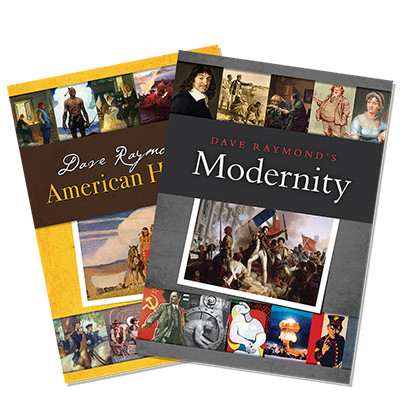
Veteran history teacher Dave Raymond gives a comprehensive history of the United States by applying a Christian worldview to the characters, events, theology, literature, art, and religious beliefs of the nation. It is an engaging class for Middle School and High School students.
Grades: 7-12+
Format: Video course and Readers. Teacher’s Edition available.

FILMMAKING FROM THE FIRST DIRECTORS

Learn the basics of filmmaking and early film history. The class takes students through a unique journey starting in the late 19th century when film was invented, then guides them through the steps first directors took in creating the modern language of film. Each lesson will include watching a lecture, viewing a variety of films, and reading source materials. Assignments will also include making a variety of short films which will then be uploaded online for class comments and review. The goal of the class is to teach students how to make films one step at a time.
Grades: 7-12+
Format: Video lectures, films, and reading in the Roman Roads App. Self-paced. Requires access to a basic camera (a smartphone is sufficient).
INTRODUCTORY AND INTERMEDIATE LOGIC

Logic is the art of reasoning well. In this classic logic curriculum, the authors lay the proper foundation for reasoning from the truth of God, then train students in the crucial skills of defining terms, determining the truth of statements, discerning and constructing valid arguments, identifying informal fallacies, and more. By providing students with fundamental standards for rational thought, logic helps them excel in every subject they study.
Grades: 7-9+
Format: Student Workbook (integrated exercises) and video course. Teacher’s Edition and Exam Pack available.
BOOKS
-
 The Forgotten Realm – Civics for American Christians (Sourcebook)$34.95
 -
 Darwin’s Sandcastle: Evolution’s Failure in the Light of Scripture and the Scientific Evidence$21.95
 -
 The Odyssey | Wesley Callihan$27.99
 -
 Thinking God’s Thoughts: Johannes Kepler and the Miracle of Cosmic Comprehensibility$26.95
 -
 Redeeming the Six Arts: A Christian Approach to Chinese Classical Education$26.95
 -
 Short Tips for Writing Short Essays$7.99
 -
 The Iliad | Wesley Callihan$27.99
 -
 The Essential Iliad | Wesley Callihan$17.99
 -
 Deeper Heaven: A Reader’s Guide to C. S. Lewis’s Ransom Trilogy$26.95
 -
 A Better Admissions Test: Raising the Standard for College Entrance Exams$19.99
 -
 On Duties$12.99
 -
 Food for Thought$22.00

CLASSROOM ART + SWAG
NEW: Old Western Culture Authors • Supersize Classroom Posters


-
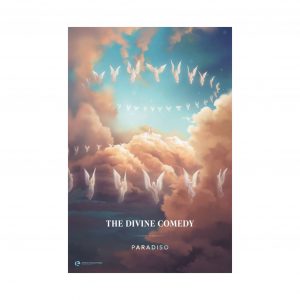 Dante’s Paradiso PosterPrice range: $12.00 through $24.00
 -
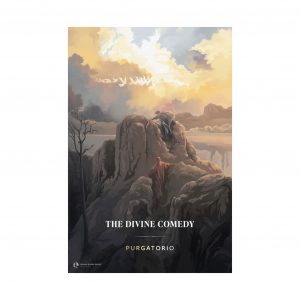 Dante’s Purgatorio PosterPrice range: $12.00 through $24.00
 -
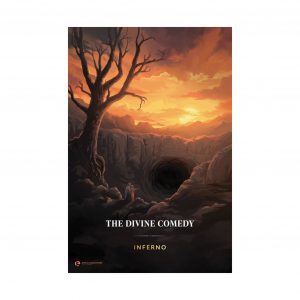 Dante’s Inferno PosterPrice range: $12.00 through $24.00


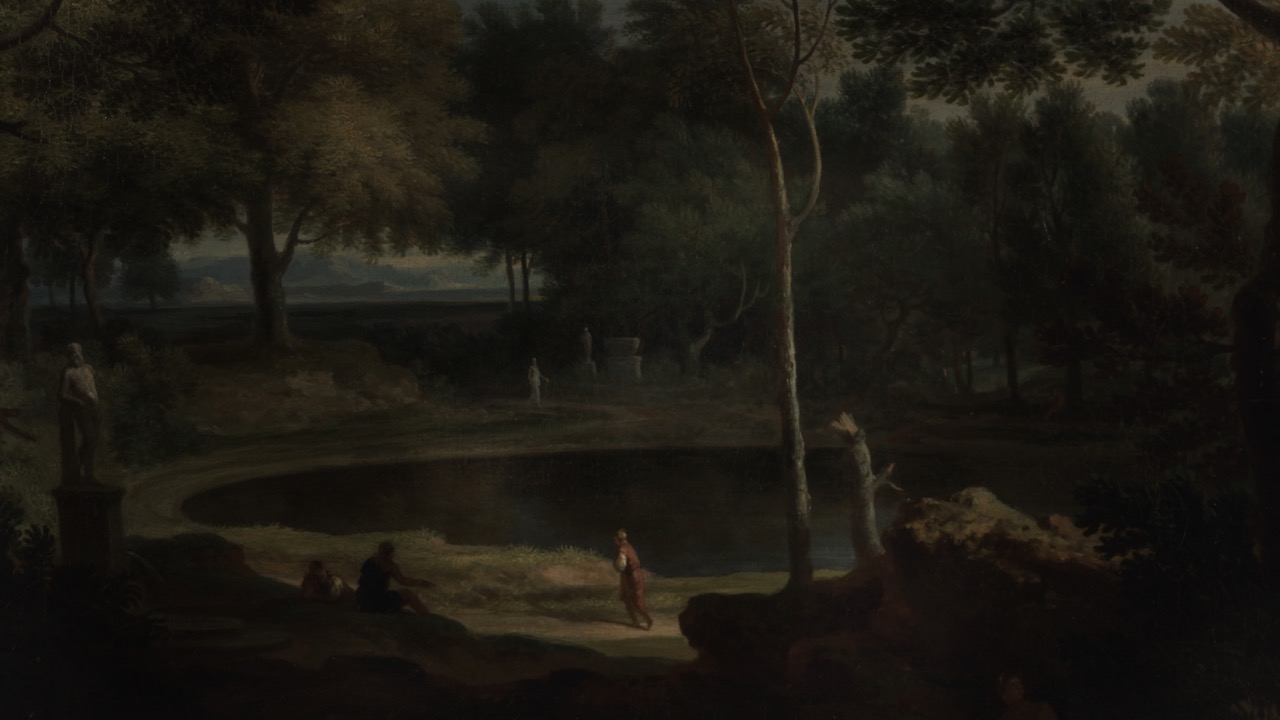
“God has given us the Morning Star already: you can go and enjoy the gift on many fine mornings if you get up early enough. What more, you may ask, do we want? Ah, but we want so much more—something the books on aesthetics take little notice of. But the poets and the mythologies know all about it. We do not want merely to see beauty, though, God knows, even that is bounty enough. We want something else which can hardly be put into words—to be united with the beauty we see, to pass into it, to receive it into ourselves, to bathe in it, to become part of it. That is why we have peopled air and earth and water with gods and goddesses and nymphs and elves—that, though we cannot, yet these projections can enjoy in themselves that beauty, grace, and power of which Nature is the image. That is why the poets tell us such lovely falsehoods. They talk as if the west wind could really sweep into a human soul; but it can’t. They tell us that “beauty born of murmuring sound” will pass into a human face; but it won’t. Or not yet. For if we take the imagery of Scripture seriously, if we believe that God will one day give us the Morning Star and cause us to put on the splendour of the sun, then we may surmise that both the ancient myths and the modern poetry, so false as history, may be very near the truth as prophecy. At present we are on the outside of the world, the wrong side of the door. We discern the freshness and purity of morning, but they do not make us fresh and pure. We cannot mingle with the splendours we see. But all the leaves of the New Testament are rustling with the rumour that it will not always be so. Some day, God willing, we shall get in.”
– C.S. Lewis, The Weight of Glory