Short Tips for Writing Short Essays
$7.99View & buy
Education · The Classic Learning Test
Raising the Standard for College Entrance Exams
Edited by Brian G. Daigle · Second edition
Eleven essays by classical educators, college presidents and homeschool leaders on what entrance exams do to schools, and why the Classic Learning Test was made.
“A must read for anyone in education or admissions who is brave enough to admit that things aren’t quite right in higher education any more.”
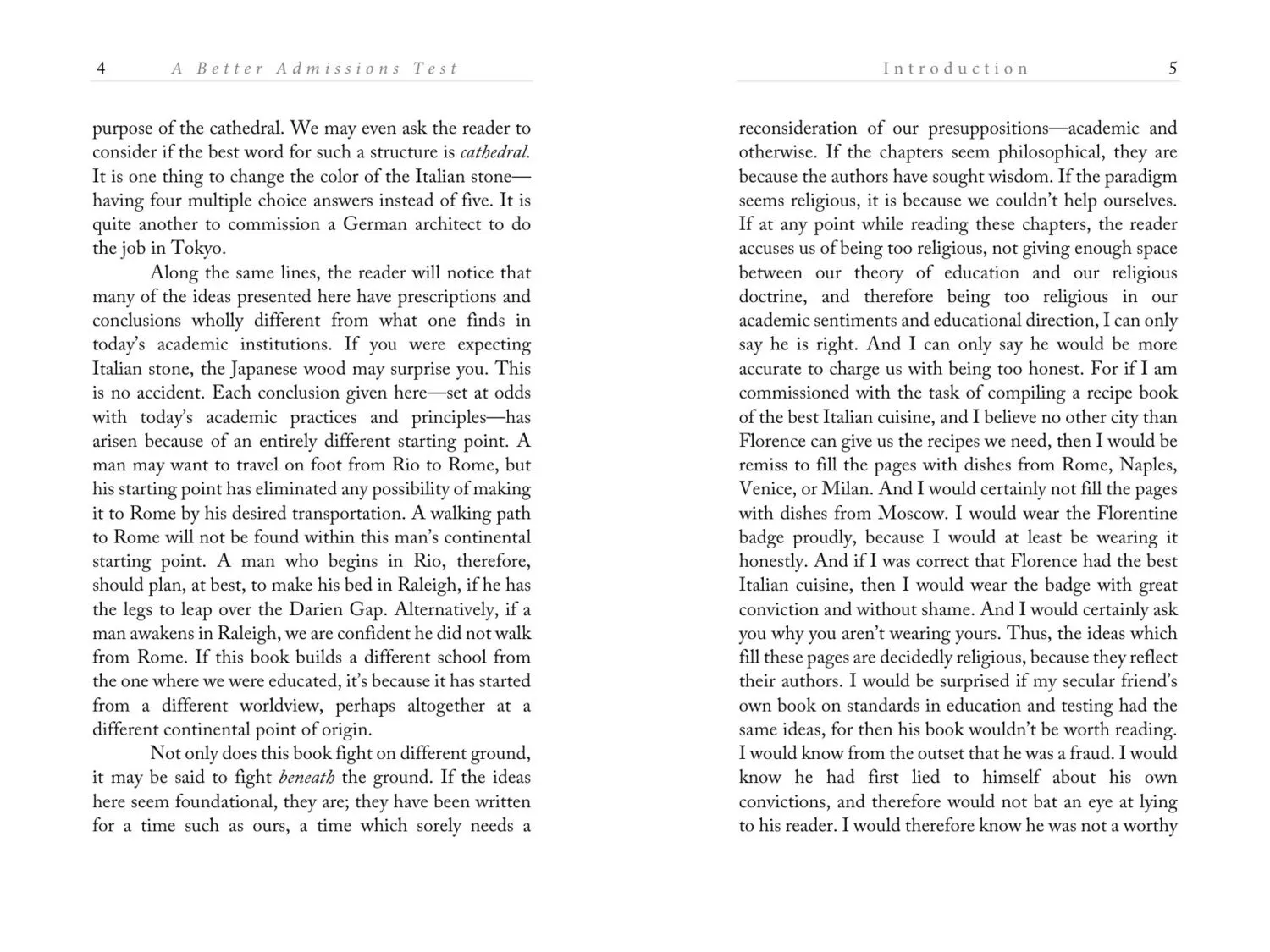
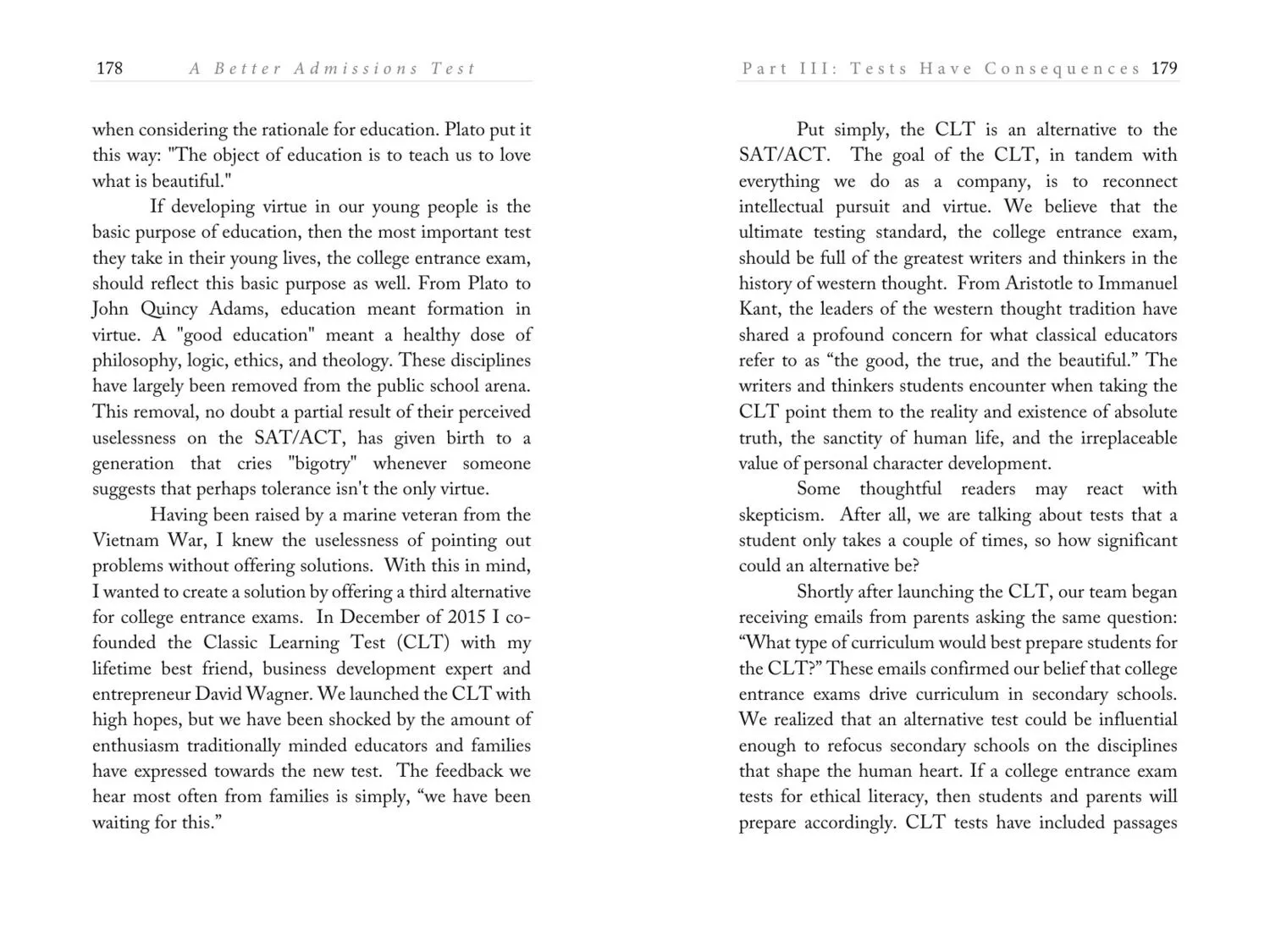
“This book exists because there is not only a specific need to reform standards of standardized tests; there is a broader need to reform standards of education in general.” So writes Brian Daigle in his introduction.
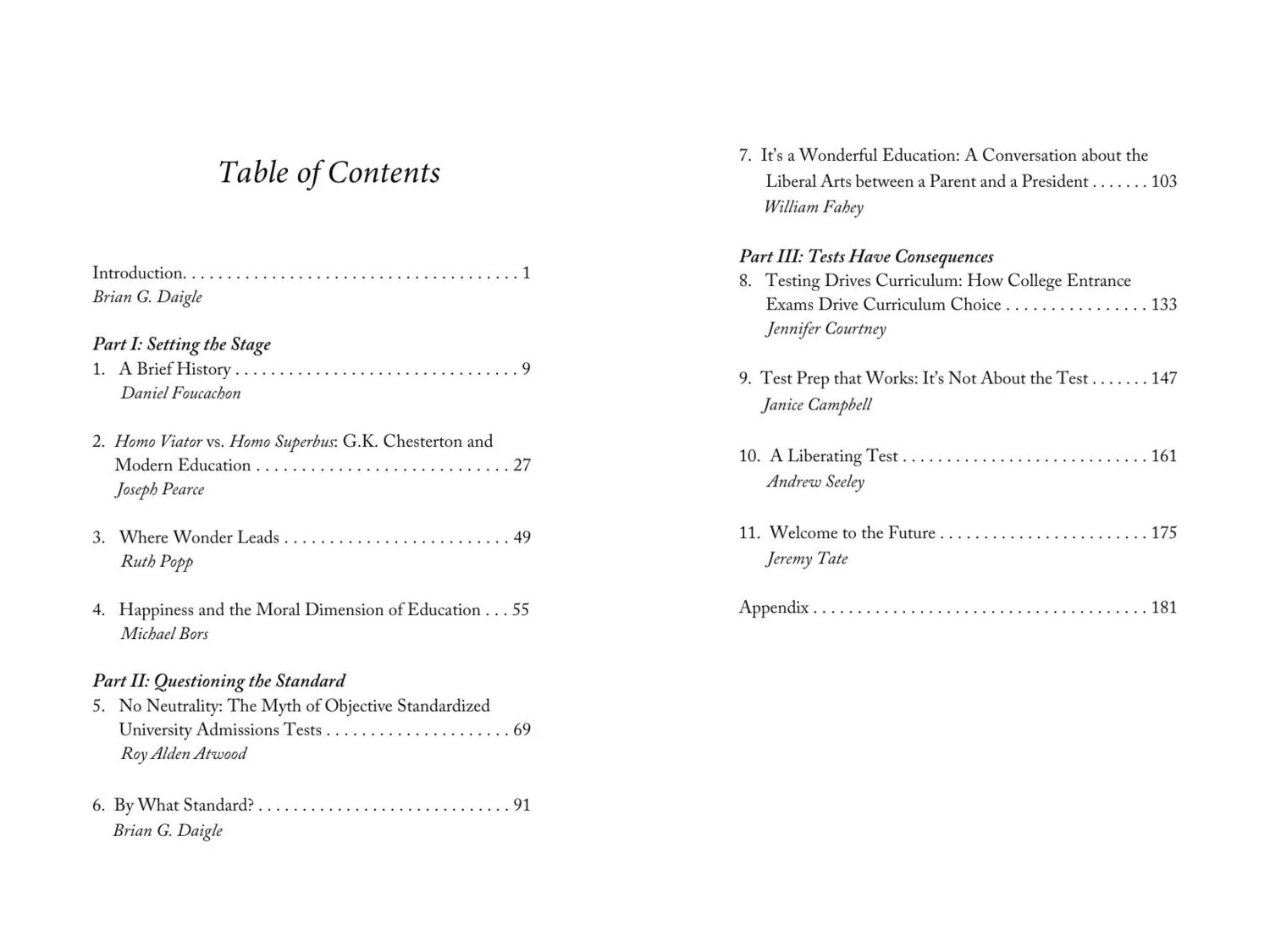
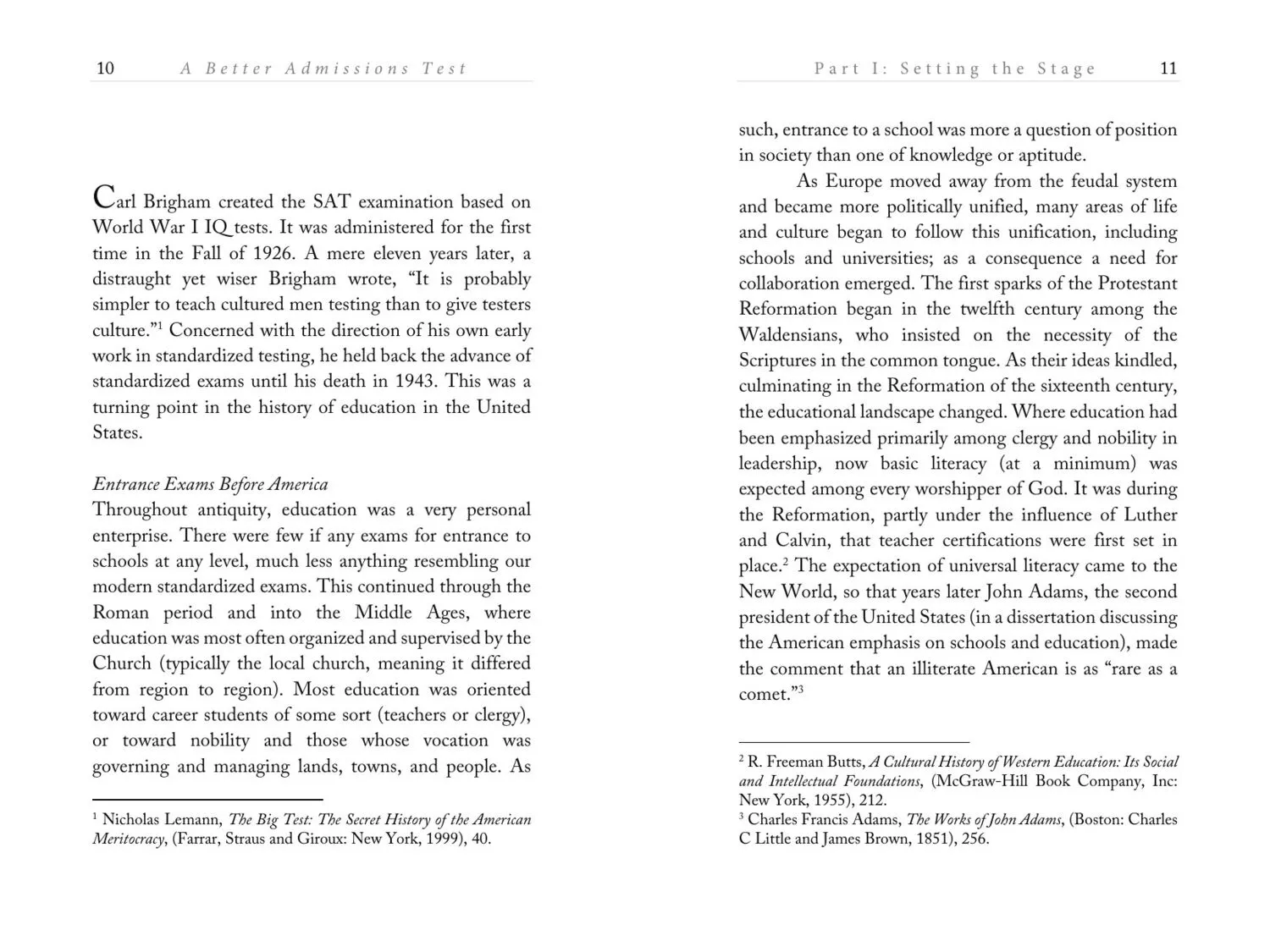
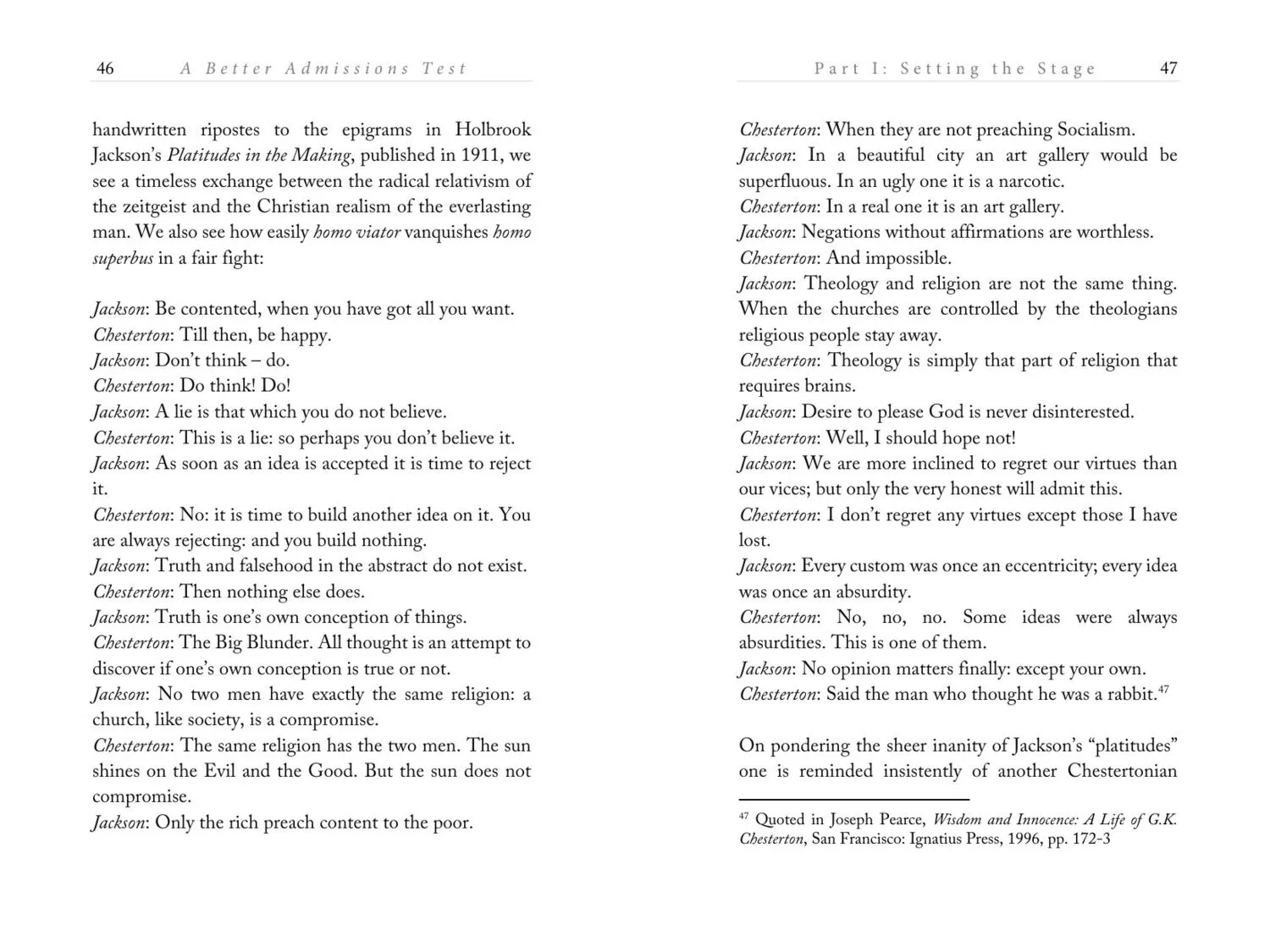
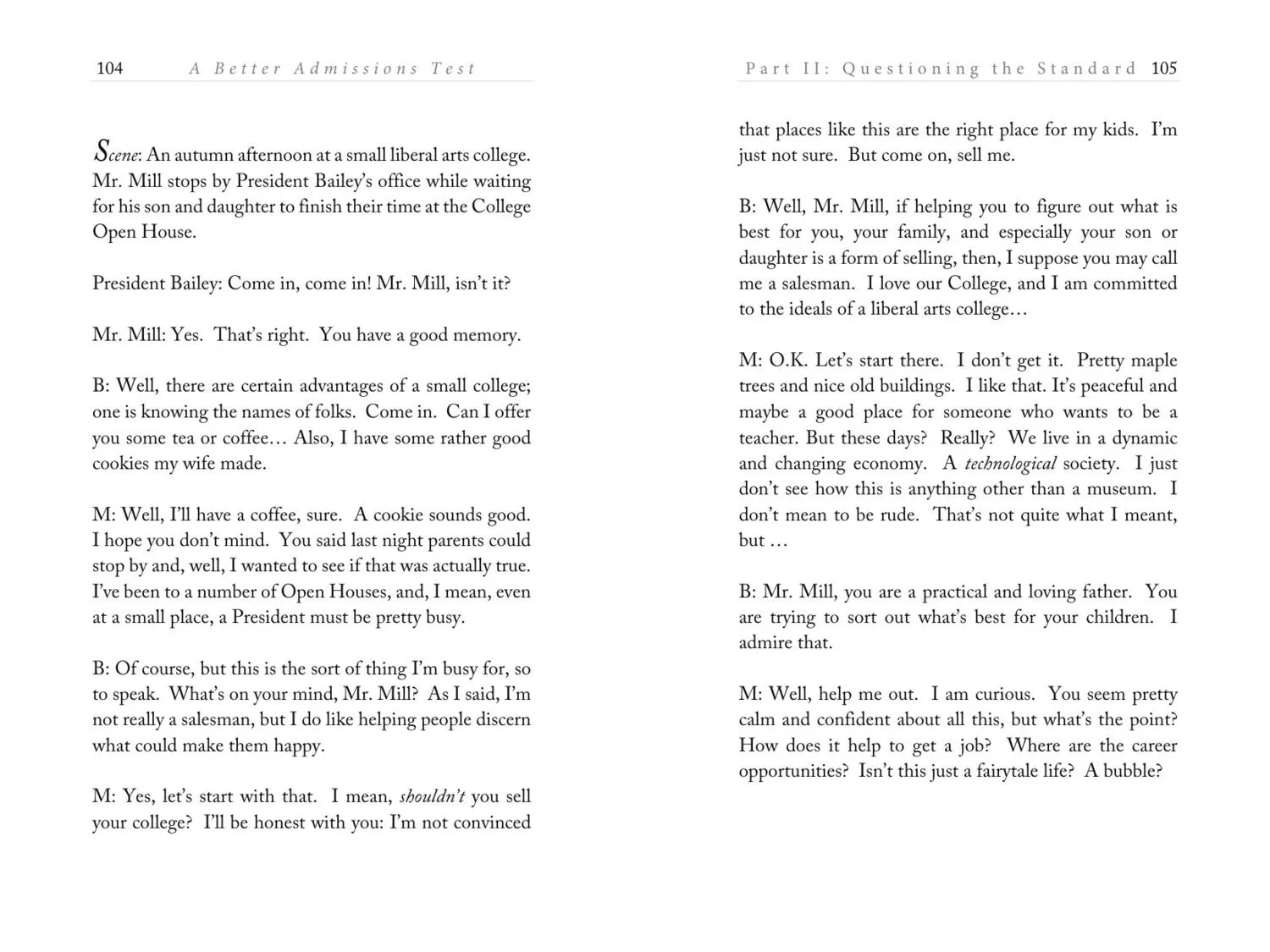
The essays argue that the SAT and the ACT shape, and narrow, what schools teach; that no standardized test is neutral; and that the Classic Learning Test, built on the great books and on moral formation, is a better measure of a student. Part I sets the stage: the history of entrance exams and the SAT, Chesterton on modern education, a homeschool mother’s story, and Aristotle on virtue and happiness. Part II questions the standard, and includes a conversation between a parent and a college president on the liberal arts. Part III shows how tests drive curriculum, gives test preparation that begins with books at home, and closes with the CLT’s founder on why he started it.
“The Classic Learning Test is in the traditions of the best entrance examinations ever made; it reveals how well prepared the students are to engage the greatest minds in our Western intellectual tradition.”
“What should a college entrance exam look like? This work takes the question further to rethink the very essence of education.”
“…we applaud the Classic Learning Initiative and affirm the Classic Learning Test as a robust and relevant answer to our culture’s obsession with modern standardized college entrance examinations.”
“Everyone I know is dissatisfied with college entrance exams, especially religious people and those who love the liberal arts and the classics of our civilization.”
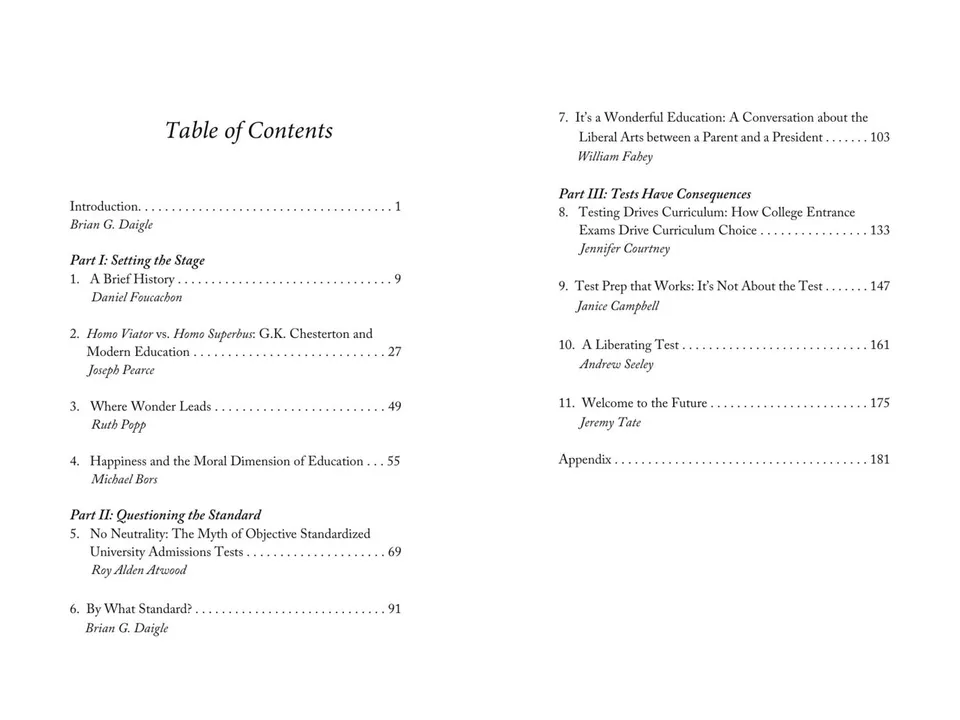
A Better Admissions Test
$19.99