

Classical Christian curriculum and books for students, families, and classrooms.
Roman Roads Press specializes in classical curriculum grounded in the Christian tradition, with a vision to equip families to “Inherit the Humanities.” All subjects are taught from a cross-discipline, integrated approach.
Explore our curriculum by series (above), or see how they are connected to one another (below).
Click a subject to see its courses, and the authors it shares with Old Western Culture.
GREAT BOOKS · GRADES 9–12+
WORDCRAFT · GRADES 6–12
At the center
Integrated Humanities
The same great author can turn up in three different courses:
Year One · 9th grade · c. 800 – 300 BC
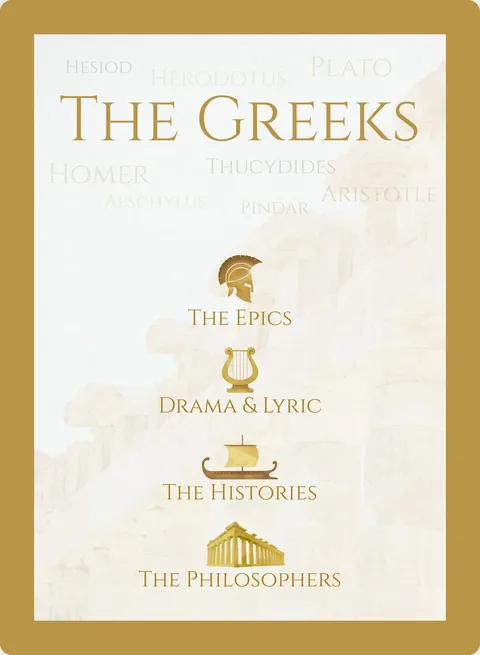
The Greeks
Homer, the tragedians, the historians and the philosophers: where the West begins.
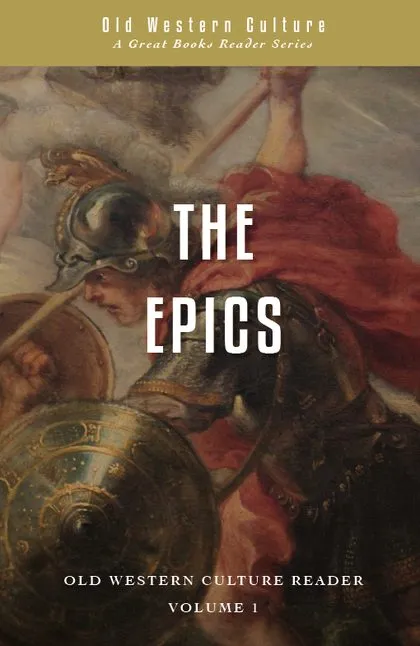 Unit 1 · The EpicsHomer
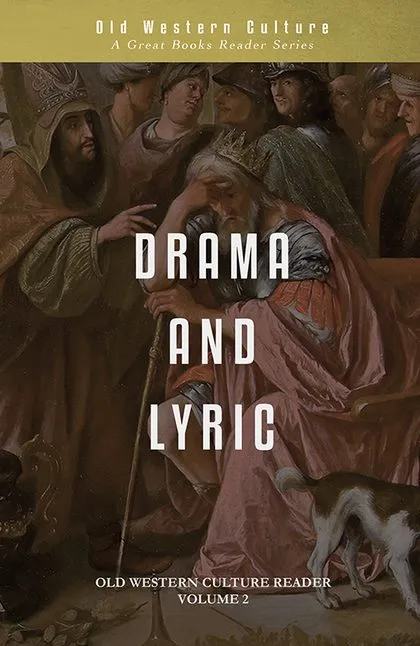 Unit 2 · Drama and LyricAeschylus · Sophocles · Euripides
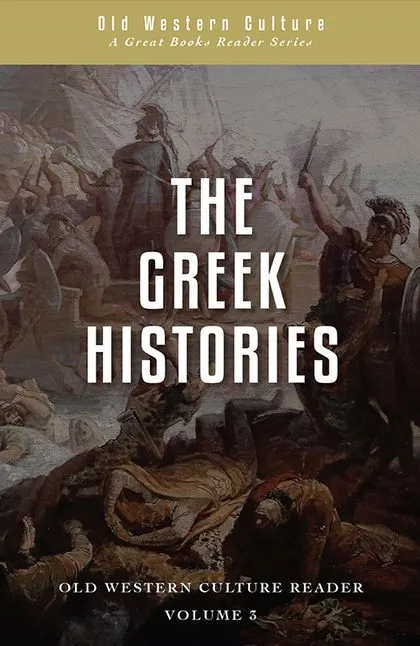 Unit 3 · The HistoriesHerodotus · Thucydides · Xenophon
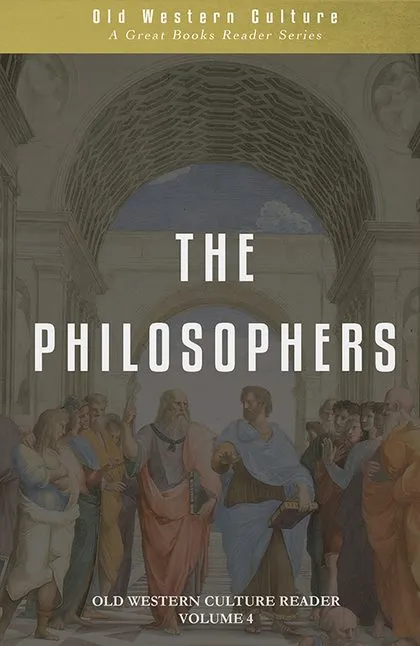 Unit 4 · The PhilosophersPlato · Aristotle
Some of the authors you’ll read:
Year Two · 10th grade · c. 50 BC – AD 430
The Romans
Vergil and the Roman historians, then the early Church, from the apostolic fathers to Augustine.
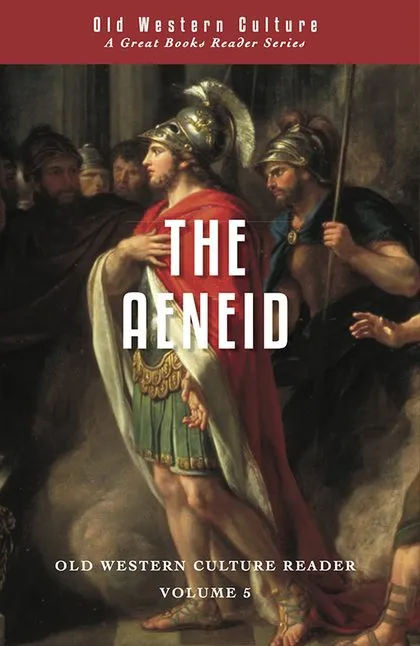 Unit 1 · The AeneidVergil · Ovid · Lucretius
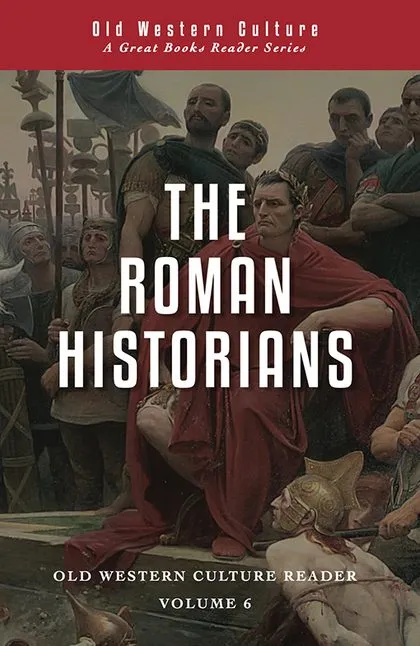 Unit 2 · The HistoriansLivy · Sallust · Julius Caesar
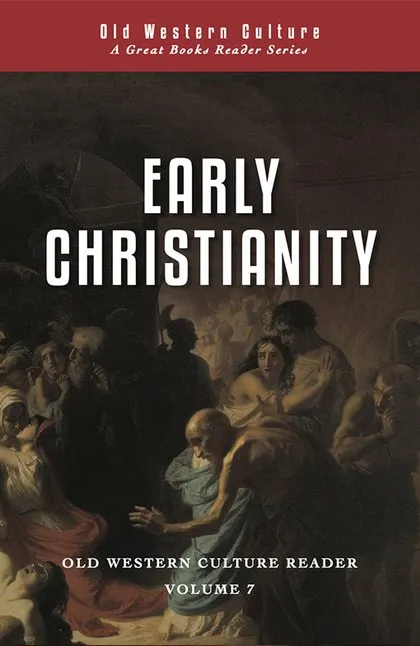 Unit 3 · Early ChristianityThe Didache · Clement of Rome · Ignatius
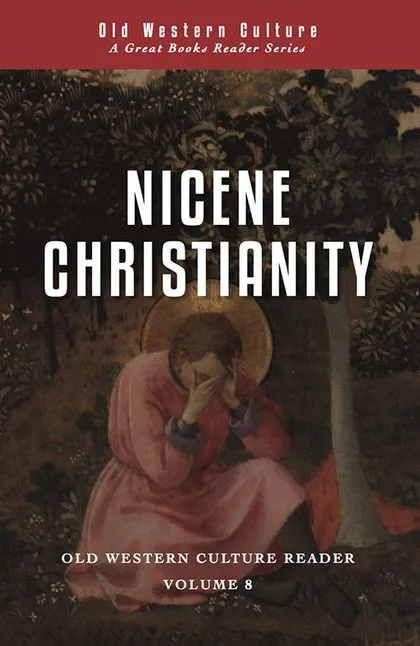 Unit 4 · Nicene ChristianityAthanasius · Basil the Great · John Chrysostom
Some of the authors you’ll read:
Year Three · 11th grade · c. 500 – 1550
Christendom
Monks, saints and kings; Anselm and Aquinas; Dante; Chaucer and the Reformation.
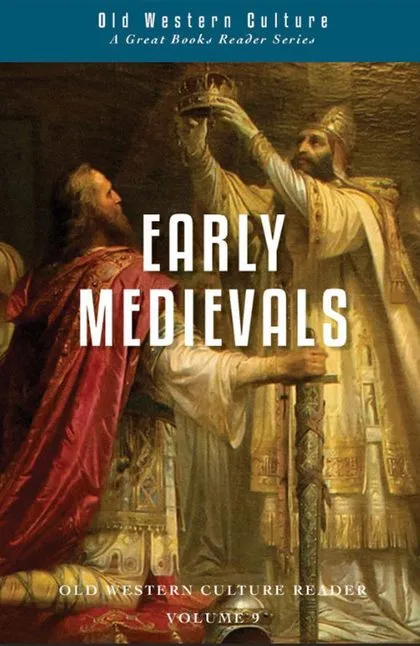 Unit 1 · Early MedievalsBenedict · Procopius · Gregory of Tours
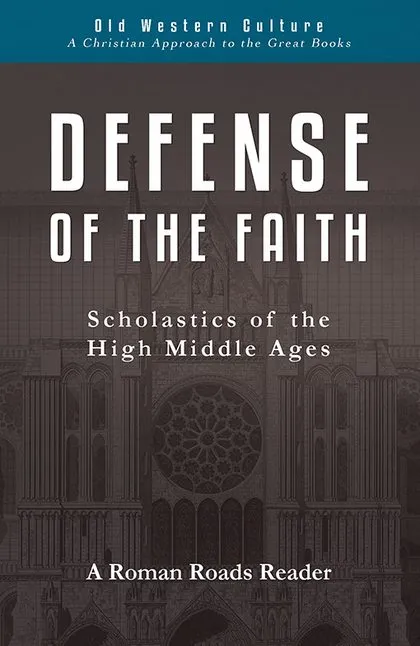 Unit 2 · Defense of the FaithAnselm · Geoffrey of Monmouth · Jacobus de Voragine
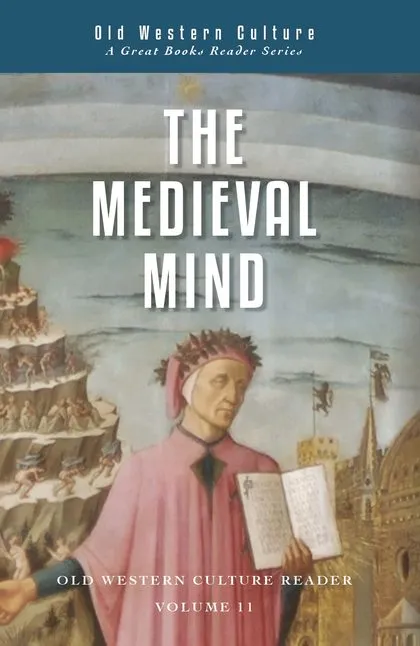 Unit 3 · The Medieval MindThomas Aquinas · Dante
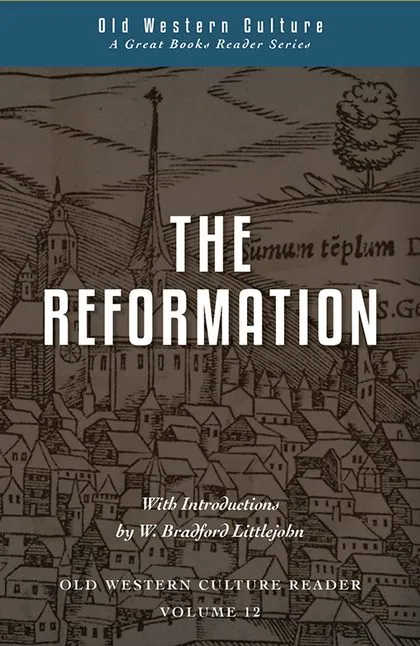 Unit 4 · The ReformationChaucer · Luther · Erasmus
Some of the authors you’ll read:
Year Four · 12th grade · c. 1550 – 1950
Early Moderns
Shakespeare and Milton, the Enlightenment and the Romantics, then the great novels, all the way to Tolkien.
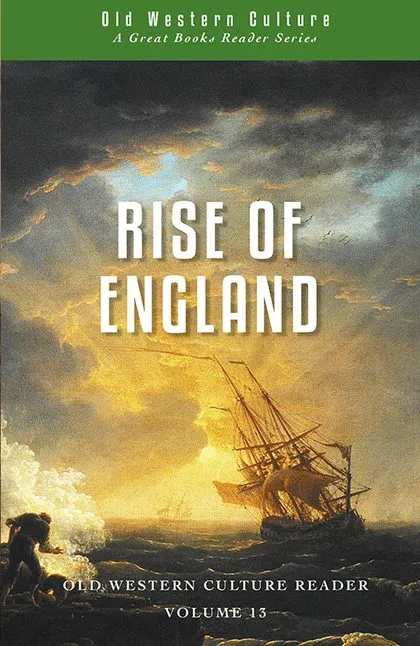 Unit 1 · Rise of EnglandShakespeare · Donne · Herbert
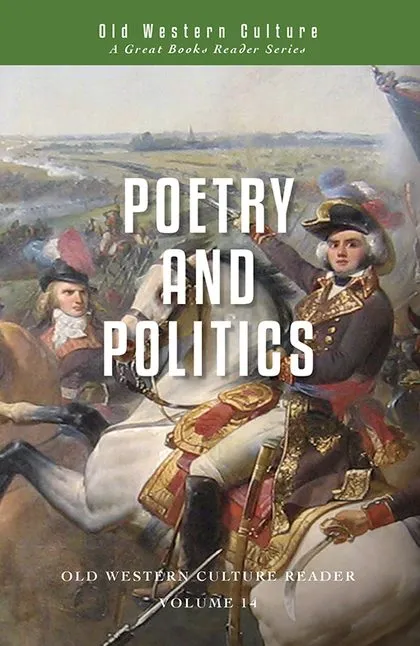 Unit 2 · Poetry and PoliticsPope · Burke · Coleridge
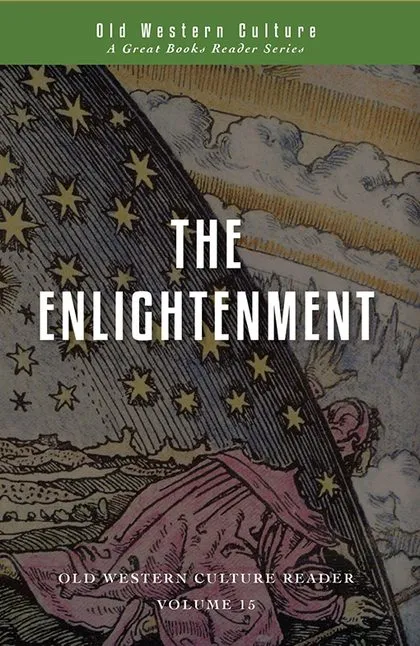 Unit 3 · The EnlightenmentGalileo · Descartes · Newton
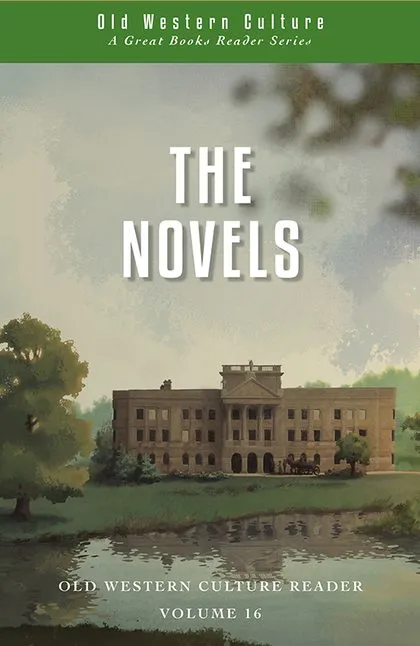 Unit 4 · The NovelsJane Austen · Dickens · Dostoevsky
Some of the authors you’ll read:
Great Books · Integrated Humanities
Old Western Culture
Literature, history, philosophy and theology, read together, from Homer to Tolkien, in four years:
Its authors turn up in other courses too:
New · Old Western Culture Companions
The Companions
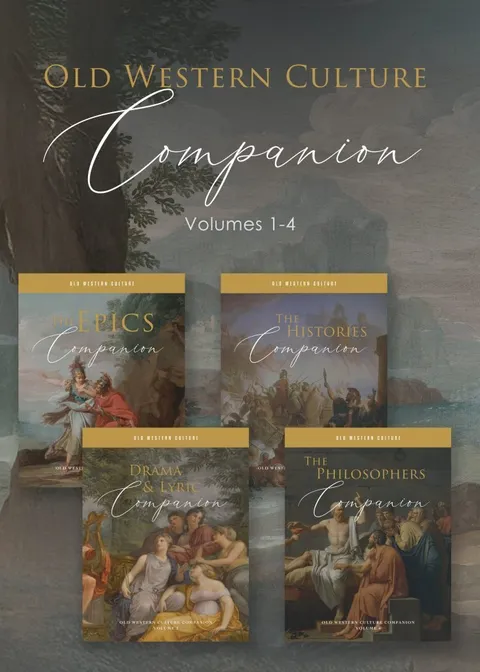
A full-color volume for each of the 16 units of Old Western Culture: the art, maps, music and stories around the great books, with reading schedules and questions. Made for the course, and a delight on its own for anyone reading the great books, with another curriculum or none.
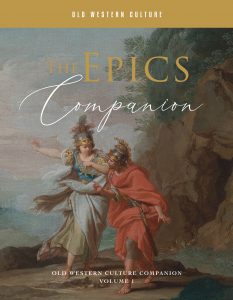 Vol. 1 · The Epics CompanionIn print
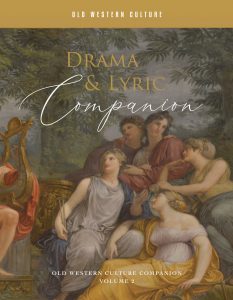 Vol. 2 · Drama and Lyric CompanionShipping now
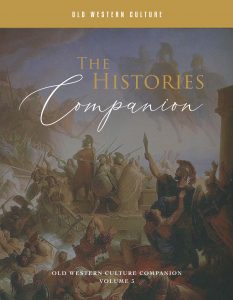 Vol. 3 · The Histories CompanionPre-order
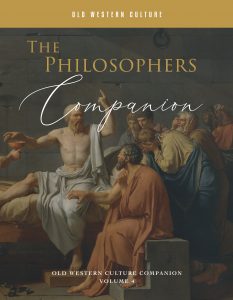 Vol. 4 · The Philosophers CompanionPre-order
Next: The Romans Companions · Coming 2027
All the Companions →The books themselves
Roman Roads Classics
Clean editions of the great books, each introduced by a Christian scholar who loves the book.
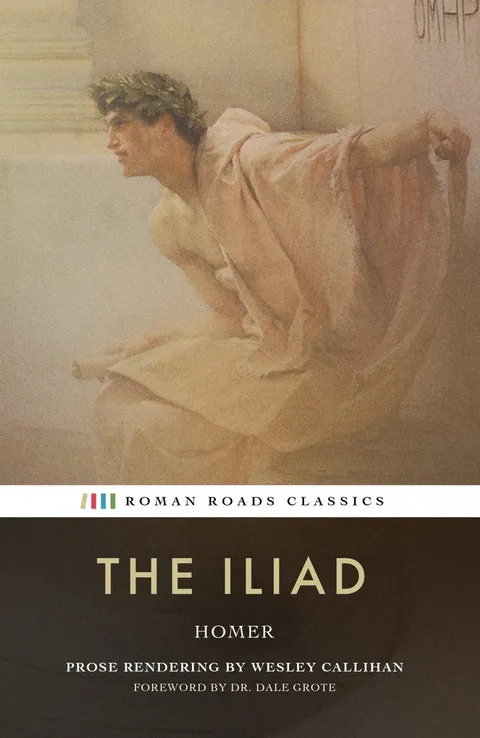 Roman Roads ClassicsGrades 9–12 · collegeExplore →
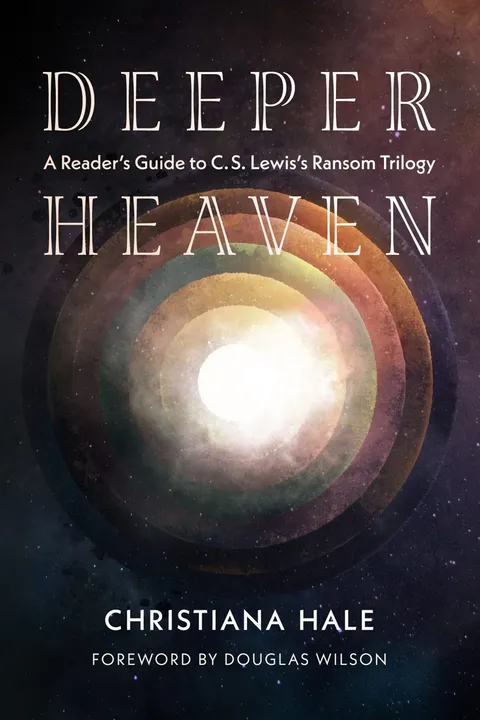 Reader’s GuidesDante · Milton · Vergil · Lewis’s Ransom TrilogyExplore →
Also read in Old Western Culture:
Wordcraft
Poetry
First the mechanics of poetry, learned by imitation. Then the English poets, from Chaucer to Dylan Thomas.
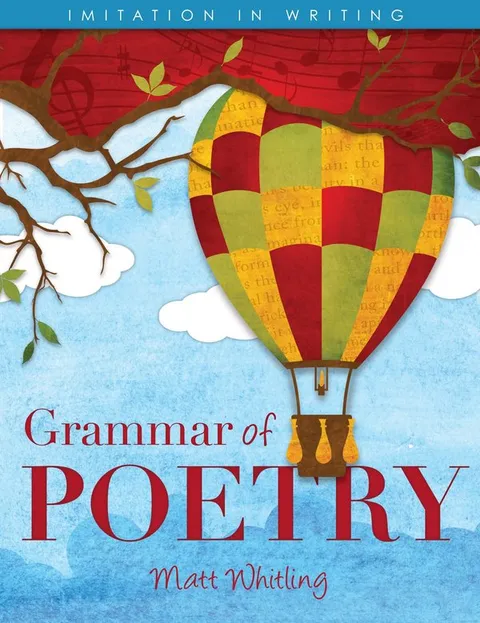 Grammar of PoetryGrades 6–8Explore →
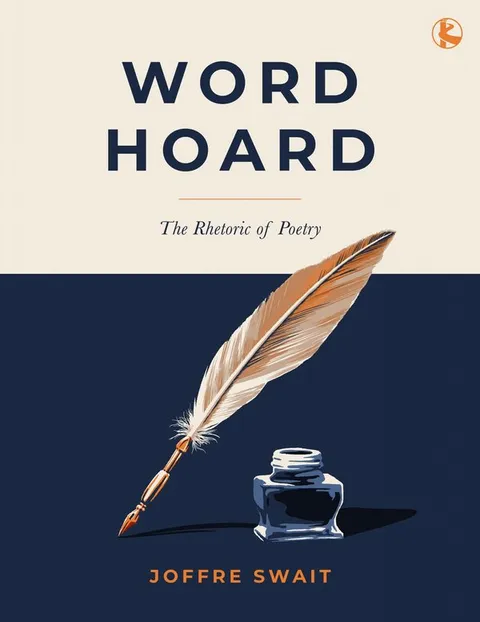 Word Hoard: The Rhetoric of PoetryGrades 11–12 · collegeExplore →
Also read in Old Western Culture:
Wordcraft
Logic
Terms, statements, valid arguments and fallacies; then truth tables, truth trees and proof.
See the whole Wordcraft sequence →Wordcraft
Rhetoric
Thirty lessons, twelve great speeches, and five speeches of the student’s own.
Also read in Old Western Culture:
Wordcraft · the capstone
Word Hoard: The Rhetoric of Poetry
The capstone of the sequence. Building on Fitting Words and Grammar of Poetry, Word Hoard teaches students to read, hear, write and perform poetry, with an anthology of 219 poems by 68 poets, from Chaucer to Eliot.
Word Hoard: The Rhetoric of PoetryGrades 11–12 · collegeExplore →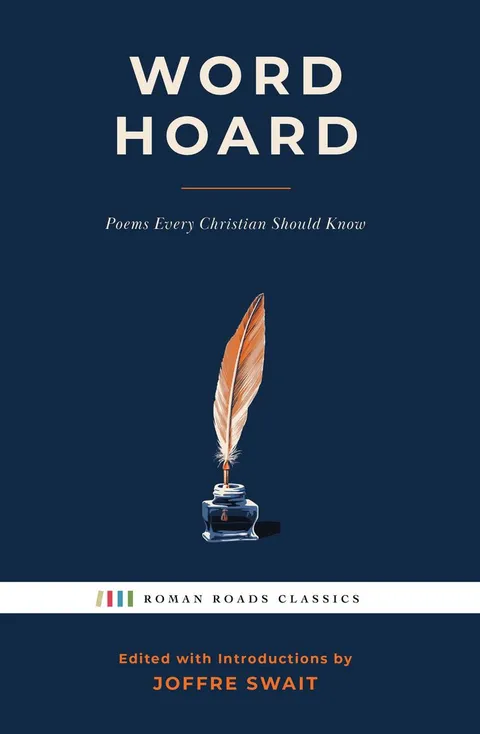 Word Hoard: An Anthology of Poems Every Christian Should Know219 poems, 68 poetsExplore →
Also read in Old Western Culture:
Language
Latin
Latin by reading, writing, speaking and hearing: two Primers, then the Grammar with graded readers that reach Vergil, and an app of its own.
Also read in Old Western Culture:
Mathematics
Calculus
The mathematics of change, with its history and philosophy. Chosen by Classical Conversations for Challenge IV. Its author, Dr. Mitch Stokes, also teaches Old Western Culture’s Enlightenment unit.
Also read in Old Western Culture:
Government
Civics
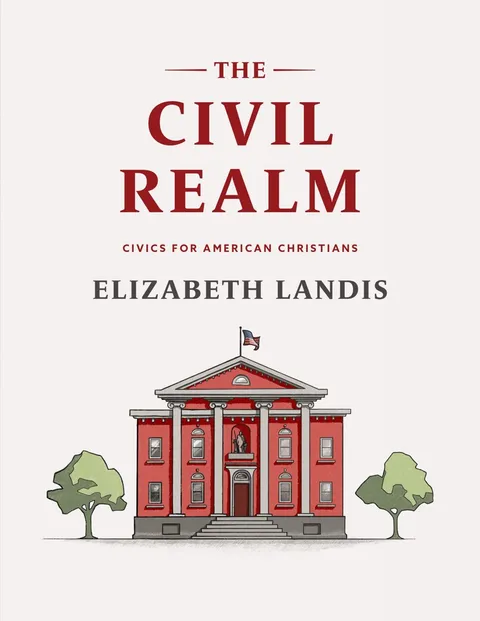
American government from city hall up, written for Christians by Elizabeth Landis.
Classical education rests on seven liberal arts: three of language, four of number. Click one to see where it lives in our curriculum.
Classical education
The seven liberal arts
Three arts of language, the trivium, and four of number, the quadrivium: the tools of learning.
More than half of the liberal arts are mathematics:
“four-sevenths, if we’re doing the math.”Calculus for Everyone, §1.6
Trivium · Grammatica
Grammar
The art of reading and writing well: how a language works and, in the old schools, the poets.
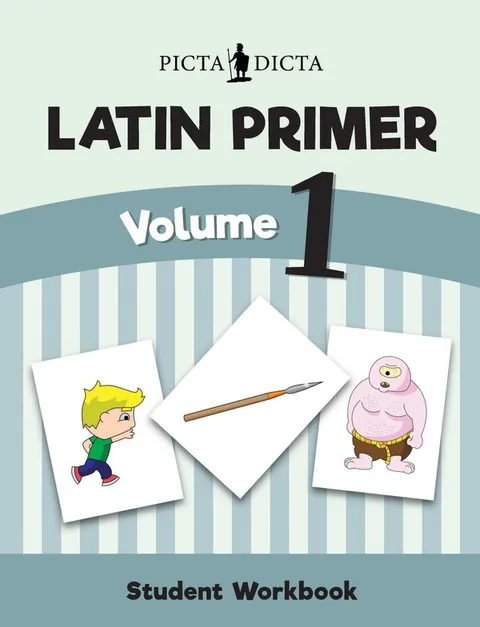 Picta Dicta LatinVocabulary, forms and syntax, then reading: graded readers that reach Vergil’s Aeneid, Book V, in Latin.Grades 3–collegeGrammar of PoetryMeter, rhyme and figures of speech, the building blocks of poetry, learned by imitation.Grades 6–8Word HoardEnglish itself: Old English alliteration, Chaucer’s Middle English, and now.Grades 11–12 · college
 Old Western CultureHomer and Vergil, the first poets of the ancient schools, and Grammar questions for every lesson in the Companion.Grades 9–12 · adultsRoman Roads ClassicsThe poets themselves, in clean editions: Homer, Vergil, Dante, Spenser, Milton, Coleridge.Grades 9–12 · college
Who shaped it, and where you’ll read them:
Trivium · Dialectica
Logic
The art of reasoning well: defining terms, judging statements, building valid arguments and spotting fallacies.
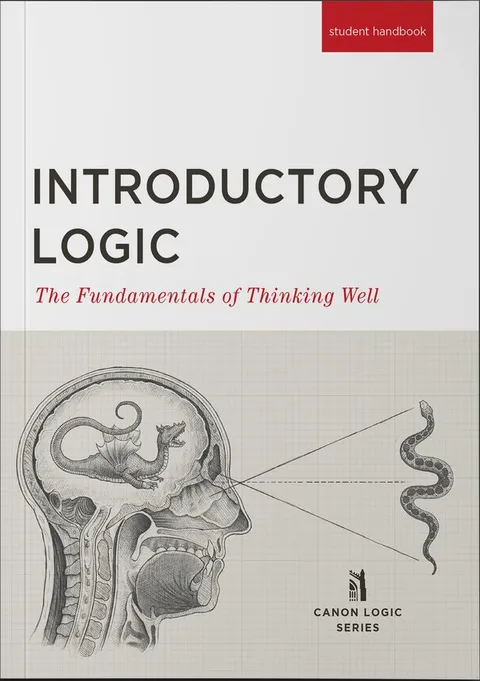 Introductory & Intermediate LogicTerms, statements, valid arguments and fallacies; then truth tables, truth trees and proofs.Grades 8–9
 Fitting WordsUnit 5, Lessons 17–24: logic inside rhetoric, from terms and definitions to deductive arguments and fallacies.Grades 10–11Old Western CulturePlato’s dialogues and Aristotle (Year 1), Anselm’s argument for God (Year 3), Descartes’s four rules of method in place of the syllogism (Year 4), and Logic questions in the Companion.Grades 9–12 · adults
Who shaped it, and where you’ll read them:
Trivium · Rhetorica
Rhetoric
The art of speaking and writing to teach, to move and to delight.
Fitting Words Classical RhetoricThirty lessons, twelve great speeches, and five speeches of the student’s own.Grades 10–11Word Hoard: The Rhetoric of PoetryBuilt as “the capstone to your rhetorical training,” ending in a public performance of the student’s own poem.Grades 11–12 · college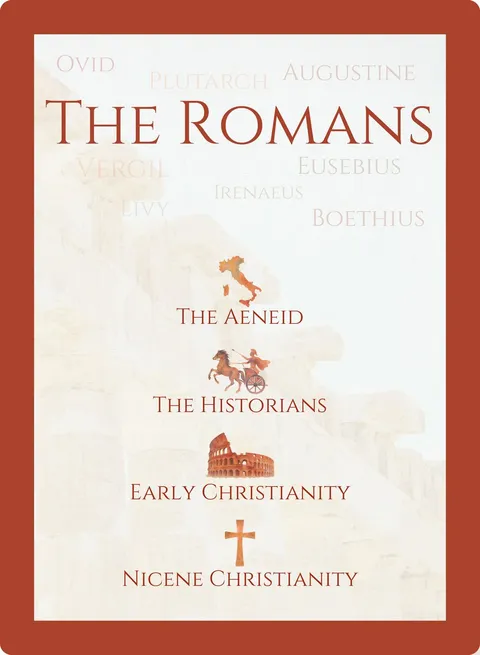 Old Western CultureThe orators themselves: Cicero and Quintilian (Year 2 · The Historians), Chrysostom’s sermons, and Rhetoric questions in the Companion.Grades 9–12 · adults
Who shaped it, and where you’ll read them:
Quadrivium · Arithmetica
Arithmetic
The art of number.
 Calculus for EveryoneThe Pythagoreans’ “All is number,” and numbers as stand-ins for the world (Ch. 1–2); then limits and derivatives.Grades 9–12 · college
 Old Western CultureYear 4 · The Enlightenment, taught by Dr. Mitch Stokes: Descartes and Hume on why arithmetic is certain (“two and three together made five”). And Plato’s Republic VII, which puts arithmetic first (Year 1).Grades 9–12 · adults
Who shaped it, and where you’ll read them:
Quadrivium · Geometria
Geometry
The art of magnitude and space: points, lines and figures.
Calculus for EveryoneEuclid’s Elements (§4.3) and Descartes’s analytic geometry (§7.6), then slopes, tangents and areas (Ch. 16–25).Grades 9–12 · collegeOld Western CultureYear 4 · The Enlightenment: Descartes joins “geometrical analysis and algebra” in the Discourse on Method; Hume on truths “demonstrated by Euclid.” And Plato’s Republic VII (Year 1).Grades 9–12 · adultsWho shaped it, and where you’ll read them:
Quadrivium · Musica
Music
The art of harmony: number you can hear.
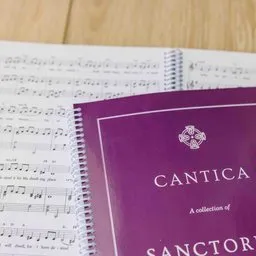 MusicPsalms and hymns to sing: Cantica Sanctorum, Let Joy Resound, Recovering Music in Christian Education, and free “Learning the Psalms” videos.Hymnals, books and videosCalculus for EveryonePythagoras’s string: the octave is the ratio 1:2 (§1.4), and the music of the spheres (§1.6).Grades 9–12 · collegeOld Western CultureGreek lyric, sung to the lyre (Year 1); Milton’s “Ring out, ye crystal spheres” (Year 4); a Musica page in the Companion.Grades 9–12 · adultsWord HoardRhythm and meter (Unit III), and poems made to be heard and performed.Grades 11–12 · college
Who shaped it, and where you’ll read them:
Quadrivium · Astronomia
Astronomy
The art of the heavens and their motions.
Calculus for EveryonePlato’s homework for the Academy, mapping the heavens with mathematics; then Eudoxus, Copernicus, Kepler, Galileo and Newton (Ch. 1, 4–6).Grades 9–12 · collegeOld Western CultureDante’s cosmos (Year 3); Galileo’s telescope on the Moon, the Milky Way and Jupiter’s moons, his defense of Copernicus, and Newton on the planets and comets (Year 4 · The Enlightenment).Grades 9–12 · adultsReader’s GuidesParadiso with its Reader’s Guide, and Deeper Heaven: the medieval heavens of Lewis’s Ransom Trilogy, sphere by sphere.Grades 9–12 · college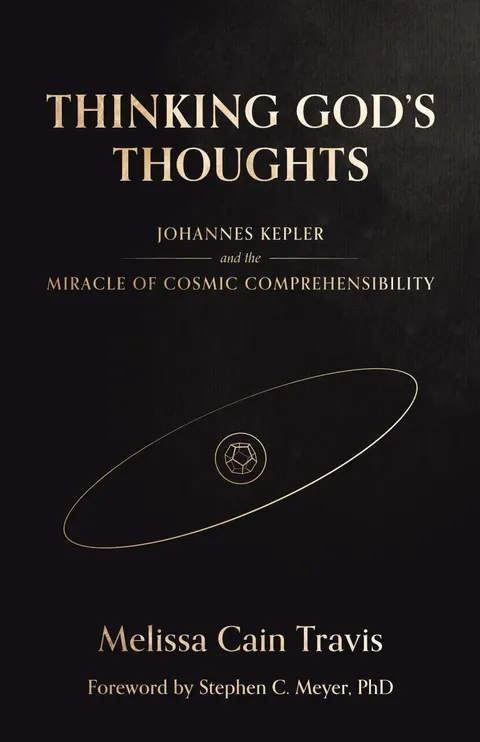 The BookstoreThinking God’s Thoughts: Kepler, who turned “classical astronomy into a true celestial physics.”A book in the Bookstore
Who shaped it, and where you’ll read them:
the course’s main work part of the course
Trivium · Grammatica
Grammar
The art of reading and writing well: how a language works and, in the old schools, the poets.
Picta Dicta LatinVocabulary, forms and syntax, then reading: graded readers that reach Vergil’s Aeneid, Book V, in Latin.Grades 3–collegeGrammar of PoetryMeter, rhyme and figures of speech, the building blocks of poetry, learned by imitation.Grades 6–8Word HoardEnglish itself: Old English alliteration, Chaucer’s Middle English, and now.Grades 11–12 · collegeOld Western CultureHomer and Vergil, the first poets of the ancient schools, and Grammar questions for every lesson in the Companion.Grades 9–12 · adultsRoman Roads ClassicsThe poets themselves, in clean editions: Homer, Vergil, Dante, Spenser, Milton, Coleridge.Grades 9–12 · collegeTrivium · Dialectica
Logic
The art of reasoning well: defining terms, judging statements, building valid arguments and spotting fallacies.
Introductory & Intermediate LogicTerms, statements, valid arguments and fallacies; then truth tables, truth trees and proofs.Grades 8–9Fitting WordsUnit 5, Lessons 17–24: logic inside rhetoric, from terms and definitions to deductive arguments and fallacies.Grades 10–11Old Western CulturePlato’s dialogues and Aristotle (Year 1), Anselm’s argument for God (Year 3), Descartes’s four rules of method in place of the syllogism (Year 4), and Logic questions in the Companion.Grades 9–12 · adultsTrivium · Rhetorica
Rhetoric
The art of speaking and writing to teach, to move and to delight.
Fitting Words Classical RhetoricThirty lessons, twelve great speeches, and five speeches of the student’s own.Grades 10–11Word Hoard: The Rhetoric of PoetryBuilt as “the capstone to your rhetorical training,” ending in a public performance of the student’s own poem.Grades 11–12 · collegeOld Western CultureThe orators themselves: Cicero and Quintilian (Year 2 · The Historians), Chrysostom’s sermons, and Rhetoric questions in the Companion.Grades 9–12 · adultsQuadrivium · Arithmetica
Arithmetic
The art of number.
Calculus for EveryoneThe Pythagoreans’ “All is number,” and numbers as stand-ins for the world (Ch. 1–2); then limits and derivatives.Grades 9–12 · collegeOld Western CultureYear 4 · The Enlightenment, taught by Dr. Mitch Stokes: Descartes and Hume on why arithmetic is certain (“two and three together made five”). And Plato’s Republic VII, which puts arithmetic first (Year 1).Grades 9–12 · adultsQuadrivium · Geometria
Geometry
The art of magnitude and space: points, lines and figures.
Calculus for EveryoneEuclid’s Elements (§4.3) and Descartes’s analytic geometry (§7.6), then slopes, tangents and areas (Ch. 16–25).Grades 9–12 · collegeOld Western CultureYear 4 · The Enlightenment: Descartes joins “geometrical analysis and algebra” in the Discourse on Method; Hume on truths “demonstrated by Euclid.” And Plato’s Republic VII (Year 1).Grades 9–12 · adultsQuadrivium · Musica
Music
The art of harmony: number you can hear.
MusicPsalms and hymns to sing: Cantica Sanctorum, Let Joy Resound, Recovering Music in Christian Education, and free “Learning the Psalms” videos.Hymnals, books and videosCalculus for EveryonePythagoras’s string: the octave is the ratio 1:2 (§1.4), and the music of the spheres (§1.6).Grades 9–12 · collegeOld Western CultureGreek lyric, sung to the lyre (Year 1); Milton’s “Ring out, ye crystal spheres” (Year 4); a Musica page in the Companion.Grades 9–12 · adultsWord HoardRhythm and meter (Unit III), and poems made to be heard and performed.Grades 11–12 · collegeQuadrivium · Astronomia
Astronomy
The art of the heavens and their motions.
Calculus for EveryonePlato’s homework for the Academy, mapping the heavens with mathematics; then Eudoxus, Copernicus, Kepler, Galileo and Newton (Ch. 1, 4–6).Grades 9–12 · collegeOld Western CultureDante’s cosmos (Year 3); Galileo’s telescope on the Moon, the Milky Way and Jupiter’s moons, his defense of Copernicus, and Newton on the planets and comets (Year 4 · The Enlightenment).Grades 9–12 · adultsReader’s GuidesParadiso with its Reader’s Guide, and Deeper Heaven: the medieval heavens of Lewis’s Ransom Trilogy, sphere by sphere.Grades 9–12 · collegeThe BookstoreThinking God’s Thoughts: Kepler, who turned “classical astronomy into a true celestial physics.”A book in the BookstoreEach road is one of the seven arts, carried from Homer to Lewis by the people who shaped it. A grey line joins one person’s arts. Click a name to see where you’ll read them. This list isn’t comprehensive, but will give you a taste of the integrated nature of our curriculum.
Pick a name. Plato is a good place to start: his Republic is where the West gets the liberal arts.
The Greeks · c. 8th century BC
Homer
The schoolbook of ancient Greece.
The Greeks · c. 570–495 BC
Pythagoras
“All is number”: the octave as a ratio, and the music of the spheres.
The Greeks · c. 490–430 BC
Zeno
Paradoxes of motion: is change even possible?
The Greeks · c. 428–348 BC
Plato
His Republic is where the West gets the liberal arts.
The Greeks · 384–322 BC
Aristotle
The first system of logic, and the Rhetoric.
The Greeks · fl. c. 300 BC
Euclid
The Elements: geometry’s textbook for two thousand years.
The Romans · 106–43 BC
Cicero
Rome’s greatest orator.
The Romans · 70–19 BC
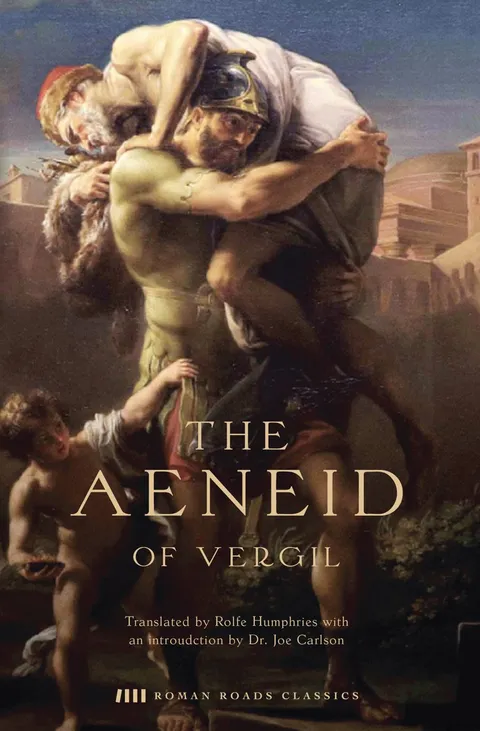
Vergil
The poet every Roman schoolboy read.
The Romans · c. AD 35–100
Quintilian
Trained the orator from the grammar school up.
The Romans · c. AD 100–170
Ptolemy
The Almagest: the map of the heavens until Copernicus.
The Romans · AD 354–430
Augustine
A teacher of rhetoric who turned it to preaching.
The Romans · c. AD 477–524
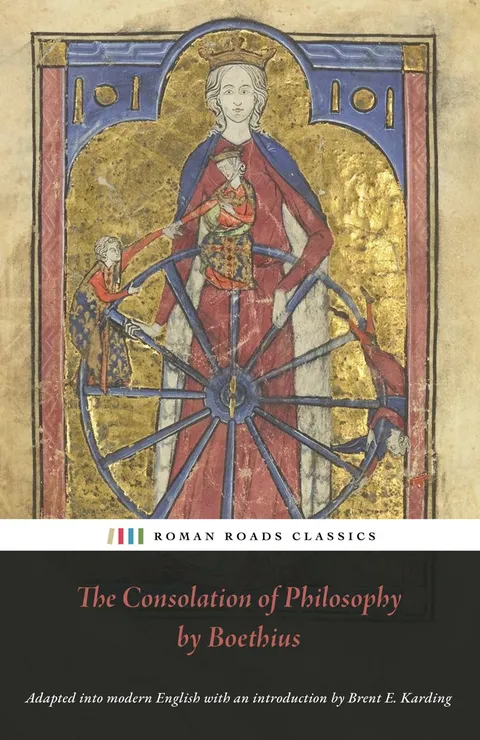
Boethius
His handbooks of arithmetic and music taught the Middle Ages.
Christendom · 1033–1109
Anselm
Faith seeking understanding, by argument.
Christendom · c. 1265–1321
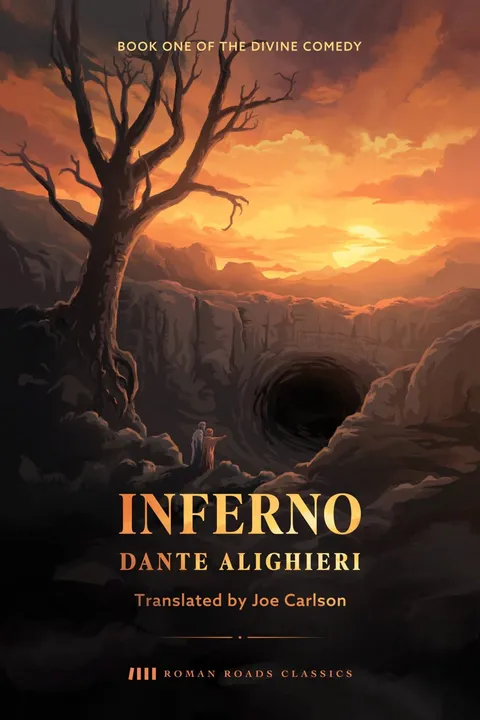
Dante
Paradise as a climb through the spheres.
Christendom · c. 1343–1400
Chaucer
The father of English poetry.
Christendom · 1473–1543
Copernicus
Put the sun at the center.
Christendom · 1483–1546
Luther
“Here I stand”: rhetoric at the Diet of Worms.
Early Moderns · 1564–1616
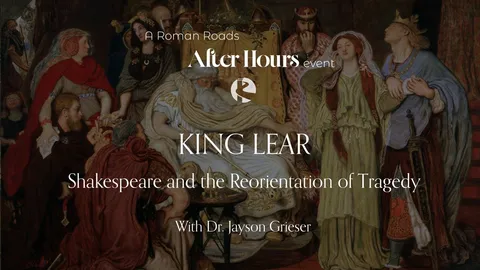
Shakespeare
The St Crispin’s Day speech: rhetoric in verse.
Early Moderns · 1564–1642
Galileo
Nature written in the language of mathematics.
Early Moderns · 1571–1630
Kepler
Elliptical orbits, and the harmony of the world.
Early Moderns · 1596–1650
Descartes
Joined algebra and geometry, and traded the syllogism for four rules of method.
Early Moderns · 1643–1727
Newton
One set of laws for heaven and earth.
Early Moderns · 1685–1759
Handel
Messiah.
Early Moderns · 1711–1776
Hume
The problem of induction: why trust that the future will be like the past?
Early Moderns · 1898–1963
C. S. Lewis
Brought the medieval heavens back to life.
Where each course fits, from grade 3 to adult. Old Western Culture takes one year of the great books at a time.
Wordcraft
Old Western Culture · great books integrated humanities
The books themselves
The Bookstore
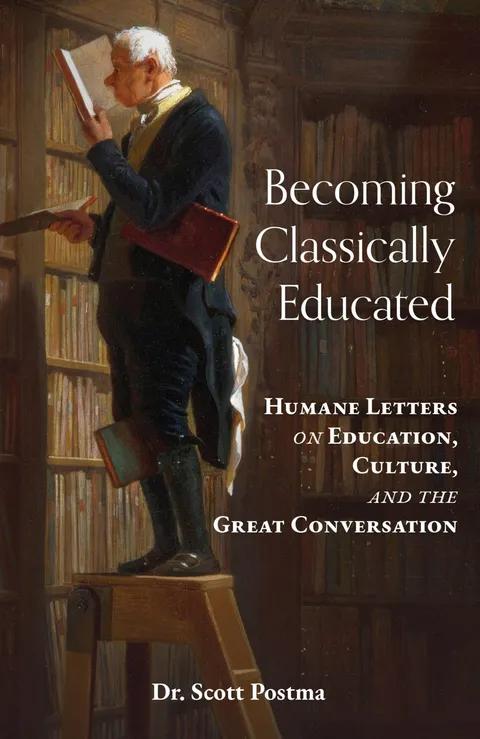
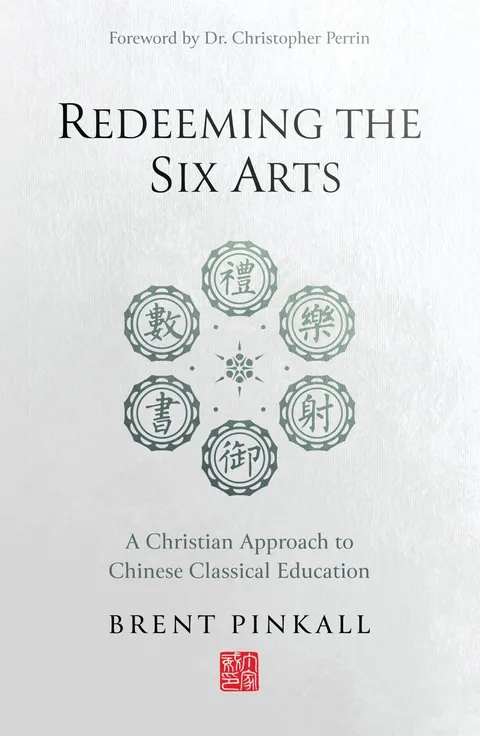
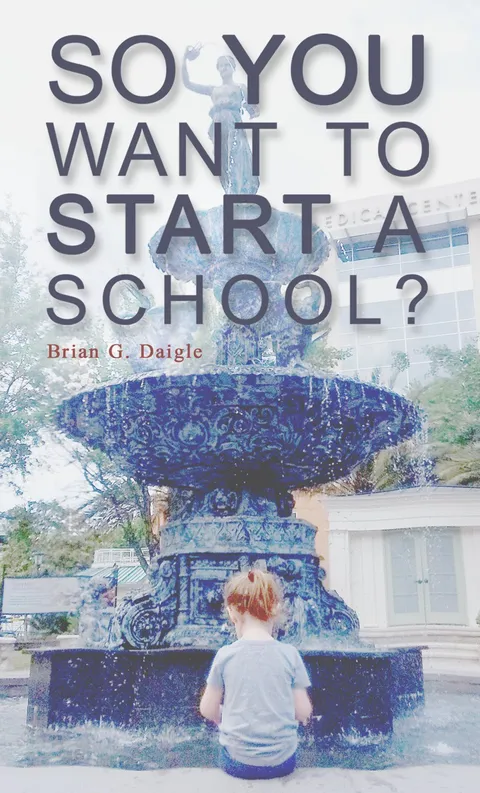
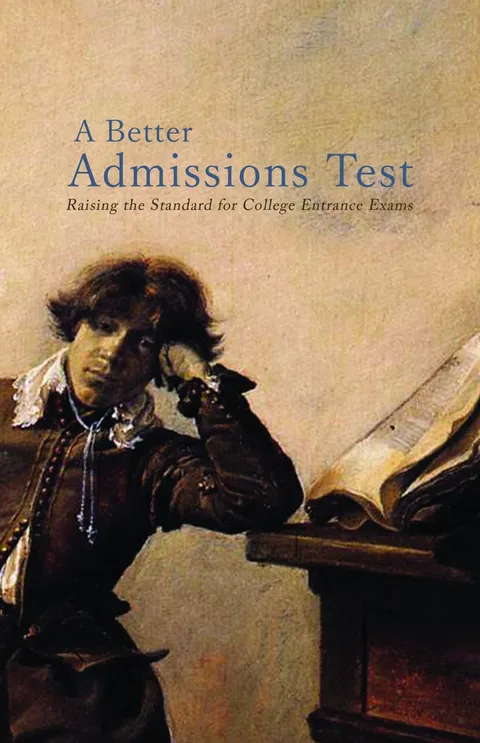
Books on classical education, faith and culture, and The Consortium, a journal of classical Christian education.
Inherit the Humanities.