

Darwin’s Sandcastle: Evolution’s Failure in the Light of Scripture and the Scientific Evidence
$21.95View & buy
Kepler · History & philosophy of science
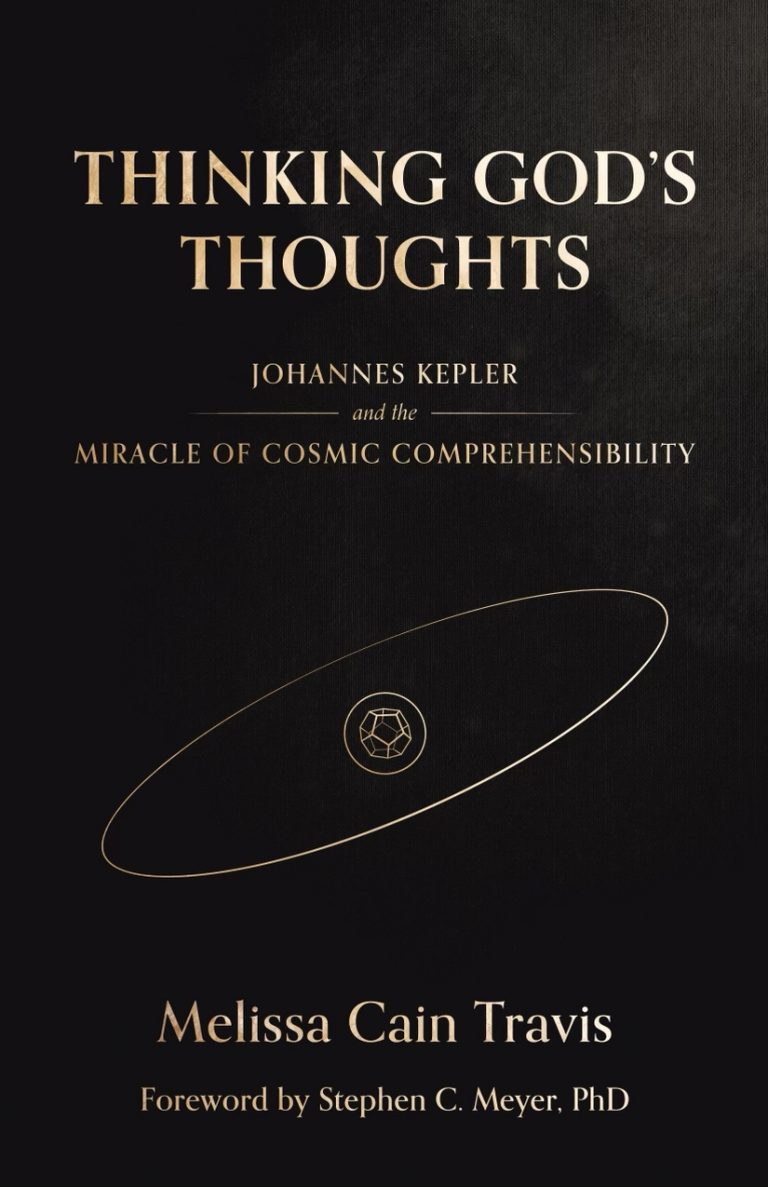
Johannes Kepler and the Miracle of Cosmic Comprehensibility
Dr. Melissa Cain Travis · Foreword by Stephen C. Meyer
Why is the cosmos intellectually accessible to the human mind?
A slightly dinged copy is available for $18.86“God wanted us to recognize them by creating us after his own image so that we could share in his own thoughts.”
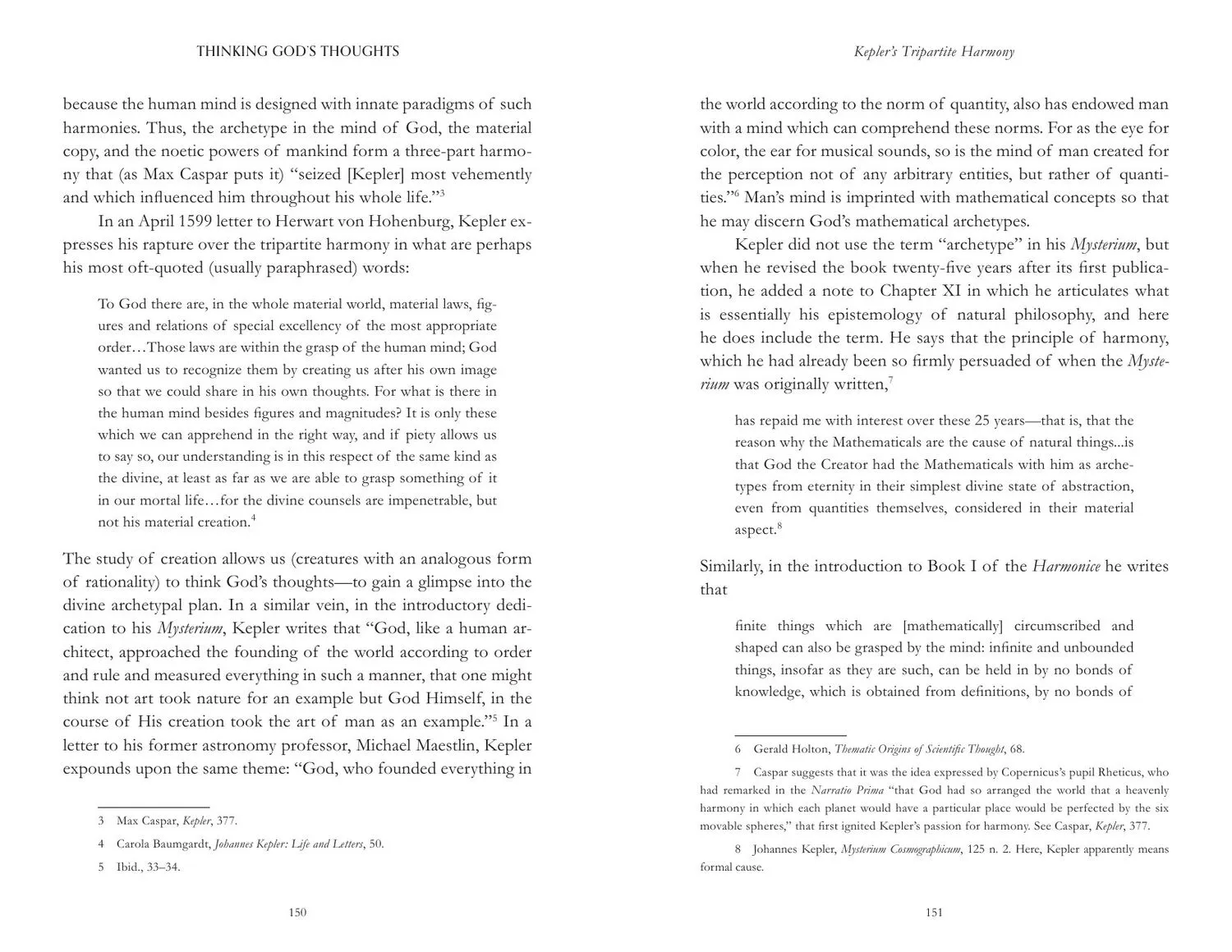
A host of philosophers, theologians, scientists, and mathematicians of the Great Western Tradition have been struck by the uncanny interconnection between three fundamentally distinct domains of reality: nature, mathematics, and the human mind. This resonance has been discussed since antiquity and often attributed to a transcendent rational source of both material and immaterial aspects of reality.
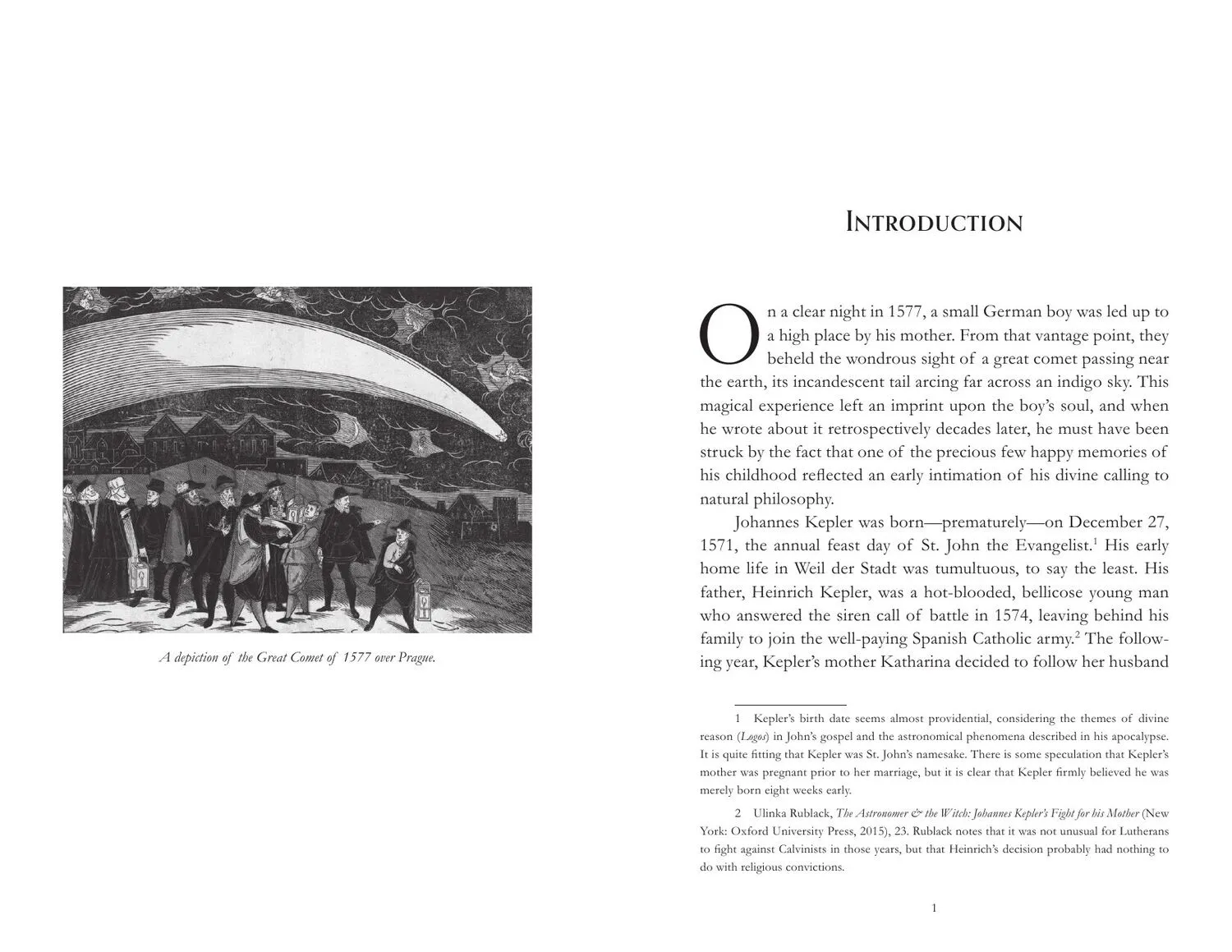
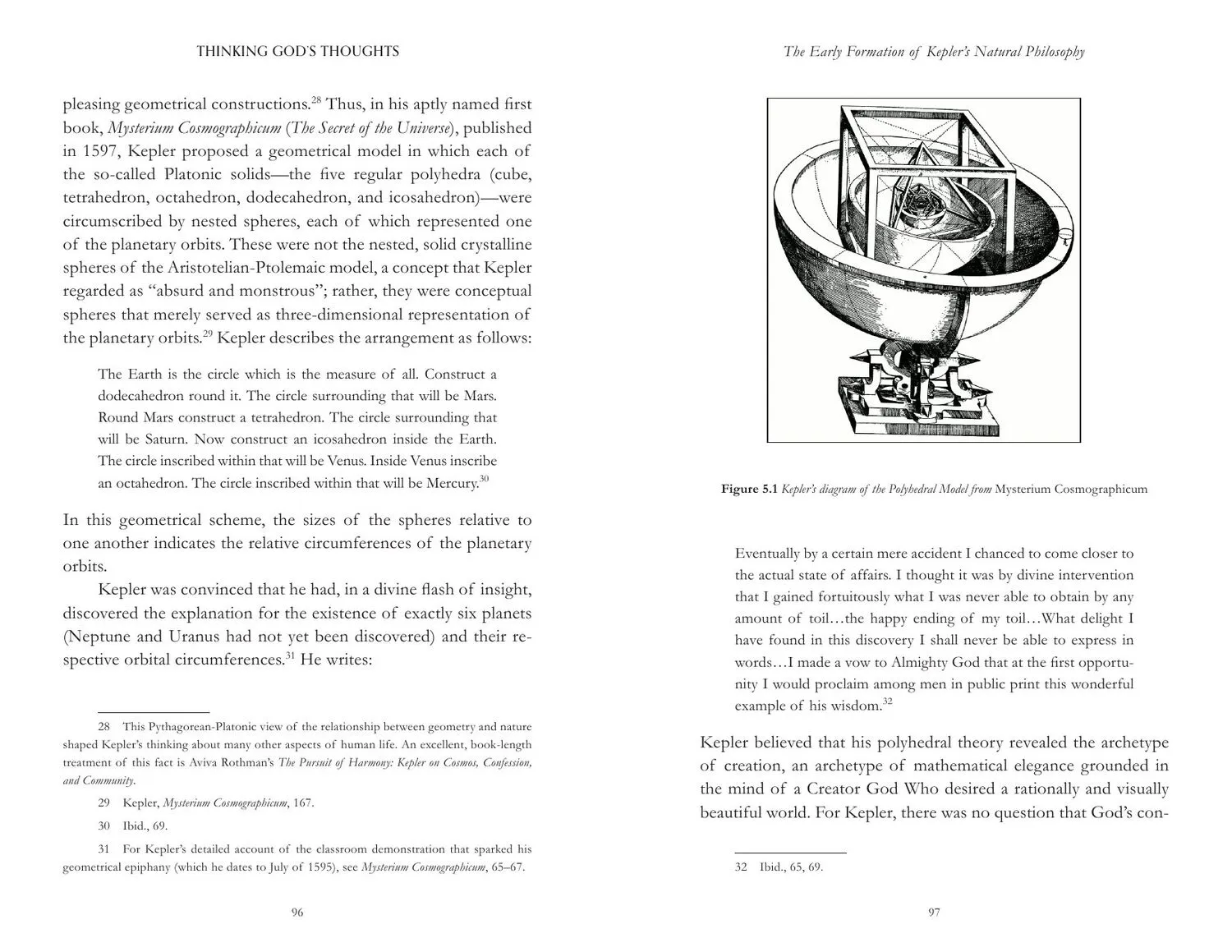
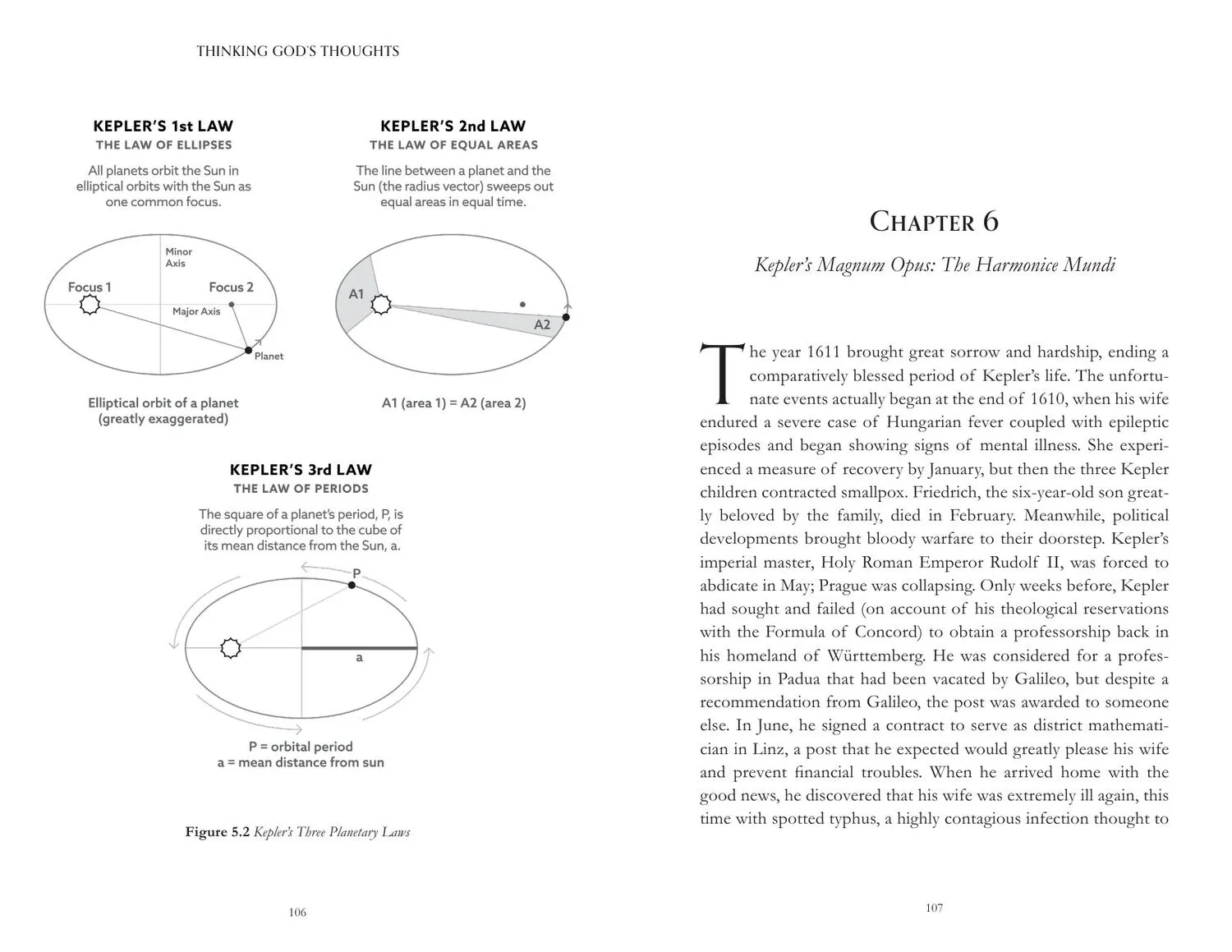
Johannes Kepler, a devout Christian who was greatly influenced by this intellectual tradition, was instrumental in transforming classical astronomy into a true celestial physics. He was convinced that a tripartite harmony of archetype, copy, and image explained the interconnections that made his natural philosophy possible—that allowed him to share in God’s own thoughts. Rather than being diminished by the past few centuries of scientific progress, Keplerian natural theology is a more robust explanation of cosmic comprehensibility than ever before.
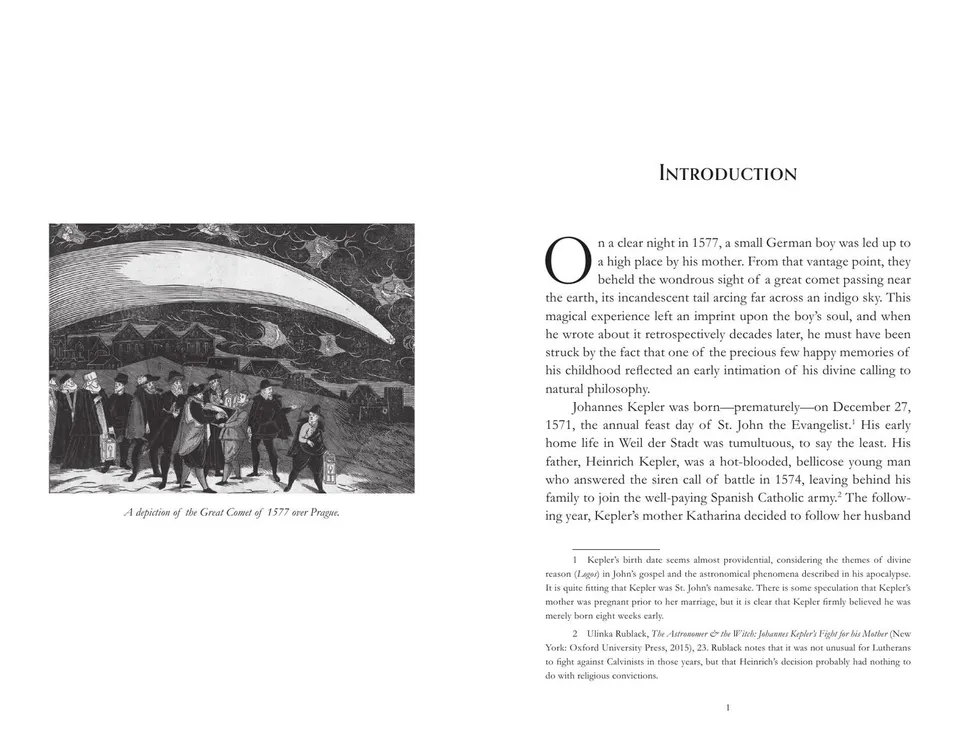
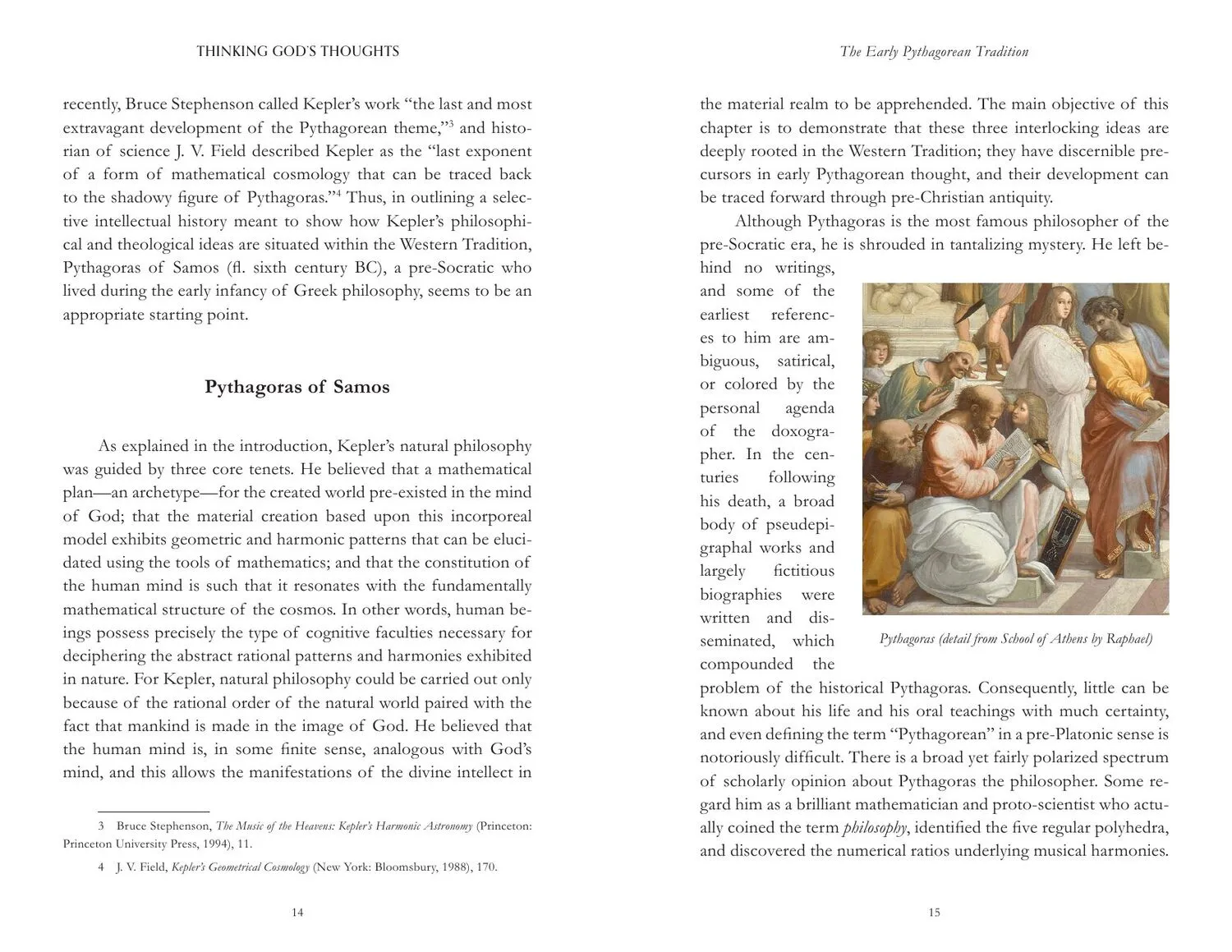
Melissa Cain Travis follows that tradition from Pythagoras and Plato’s Timaeus through Augustine, Boethius, Proclus, Nicholas of Cusa and Copernicus to Kepler, and tells Kepler’s life alongside his ideas, from the boy who saw the Great Comet of 1577 to the epitaph he wrote for himself. Part II takes his harmony of archetype, copy and image into the twentieth century: Einstein, Wigner and Penrose on the mathematics of nature, and C. S. Lewis’s argument from reason.
“In a work of marvelous intellectual and historical retrieval, Dr. Travis has lucidly explained the great Kepler’s significance for the philosophy of science and the philosophy of religion.”
“This beautiful book fills an important gap in the apologetic literature on arguments for the existence of God and is a must read for everyone interested in the great questions of life.”
“As Melissa Cain Travis points out in this important book the user-friendliness of the universe screams for an explanation … I plan to use this book in my own courses.”
“For Kepler, science did not point to atheism.”
Once I measured the skies,
now I measure the earth’s shadow.
Of heavenly birth was the measuring mind,
in the shadow remains only the body.
Melissa Cain Travis received her PhD in Humanities (Philosophy) from Faulkner University and MA in Science and Religion from Biola University. She teaches graduate courses in the history and philosophy of science as well as the apologetics of C. S. Lewis. She is the author of Science and the Mind of the Maker and a senior writer at the Worldview Bulletin. Dr. Travis is a Fellow of the Discovery Institute’s Center for Science and Culture and she lectures at universities, seminaries, and churches around the country.
Thinking God’s Thoughts
$26.95 · Print edition includes the eBook


