Read the Great Books, not About Them
Sample week: the Iliad, Books I–IV. Read it in the Old Western Culture Reader (print recommended, but the eBook is included), in a Roman Roads Classic, or in the copy already on your shelf.
A four-year journey through the great books, designed for 9-12th grade, but loved by families, adults, and teachers. The story of each great work is told on video with a narrative approach; your students read the books, discussion questions are provided for classroom and the dinner table. This is "Western Civilization, in a box."
Grades 9–12, two high-school credits a year. Loved just as much by parents and adults catching up on the education they never had.

“Callihan is a gifted teacher—so much so that I think parents might want to watch the lectures along with their students for their own enlightenment.” — Cathy Duffy Reviews
Sample week: the Iliad, Books I–IV. Read it in the Old Western Culture Reader (print recommended, but the eBook is included), in a Roman Roads Classic, or in the copy already on your shelf.
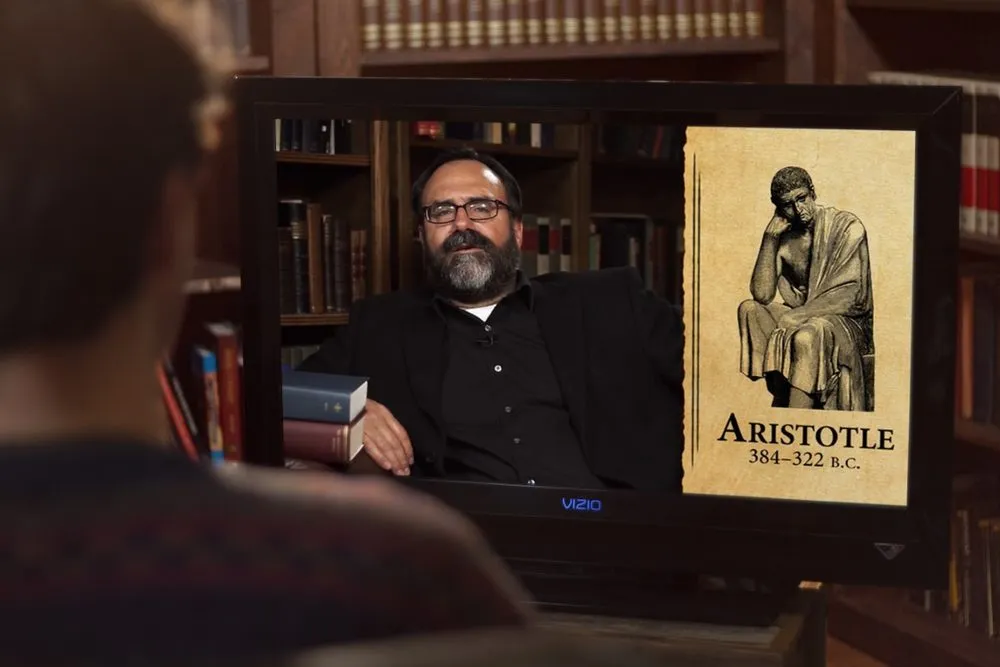 Lecture 1 · 16 minII · Watch
“The Anger of Achilleus.” Learn about the context, background, and feel of the work and the world behind it, and how to read it as a Christian. Stream it or download it in the app.
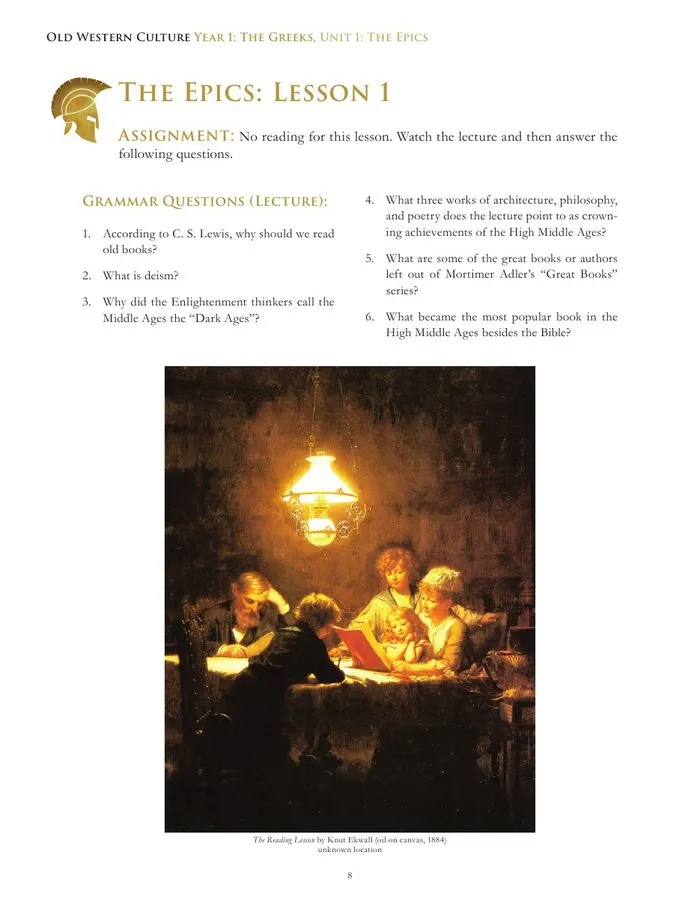
The questions are divided into Grammar, Logic, Rhetoric and discussion questions in the Companion. Ideal for sparking discussion, and can be answered during self-study, in a co-op setting, or at the dinner table. Exams come with every unit.
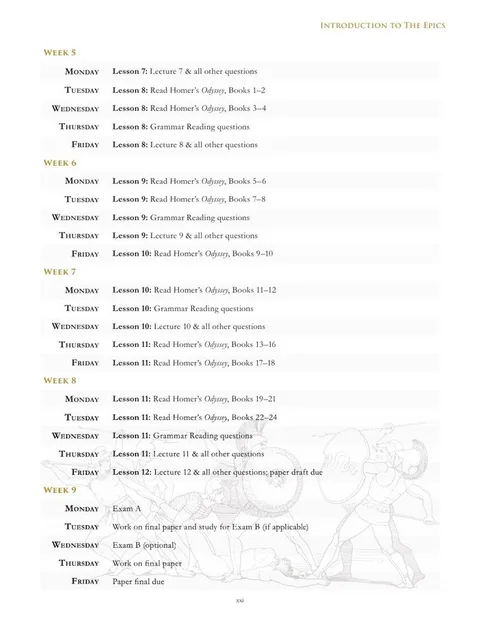
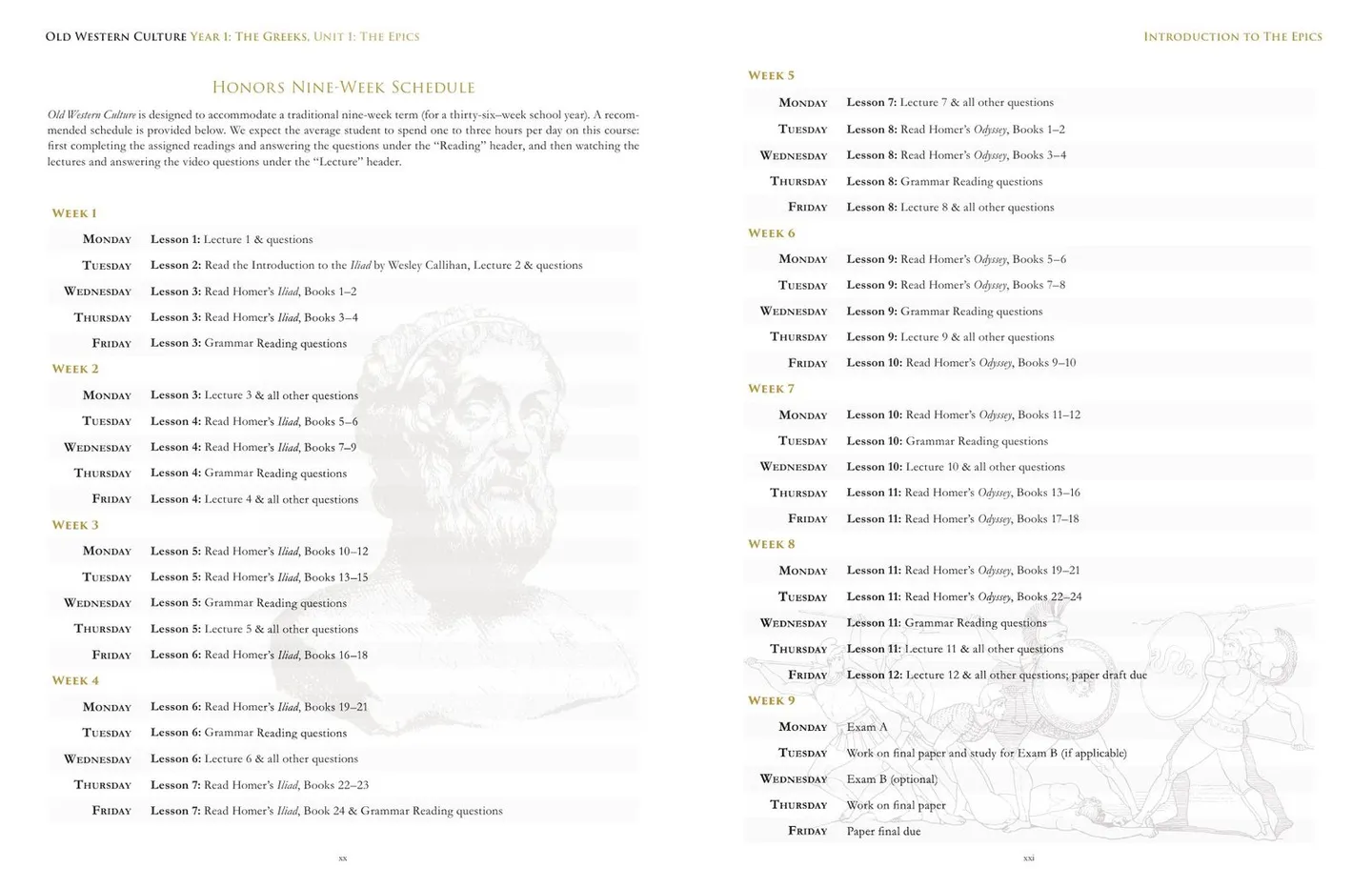
Follow the Honors Schedule (full works) or Essentials Schedule (partial works). One to three hours a day, no lesson prep needed Nine weeks a unit; a term paper if you want one.
How much time does it take? ›Each year is four nine-week units, and represents two high-school credits. Most families buy a year at a time; any unit can also be bought on its own.
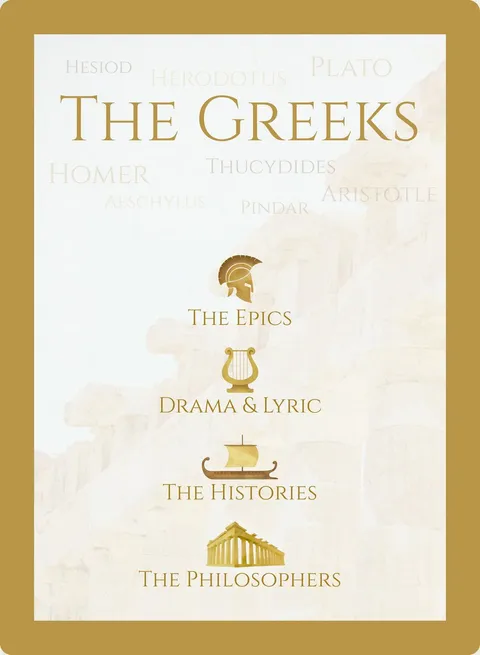
Homer, the tragedians, the historians and the philosophers: where the West begins.
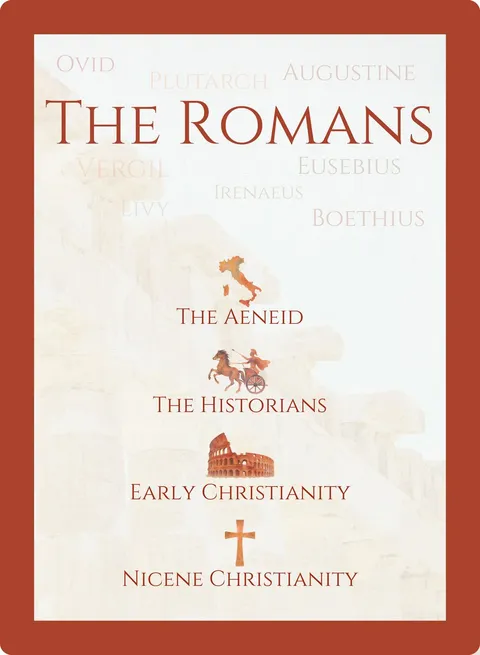
Vergil and the Roman historians, then the early Church, from the apostolic fathers to Augustine.
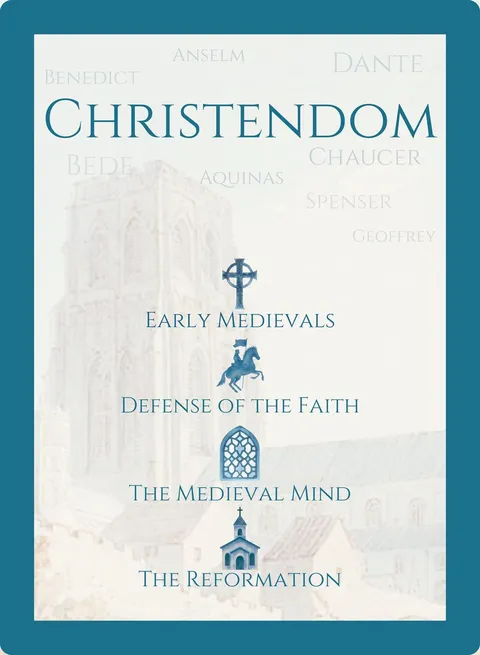
Monks, saints and kings; Anselm and Aquinas; Dante; Chaucer and the Reformation.
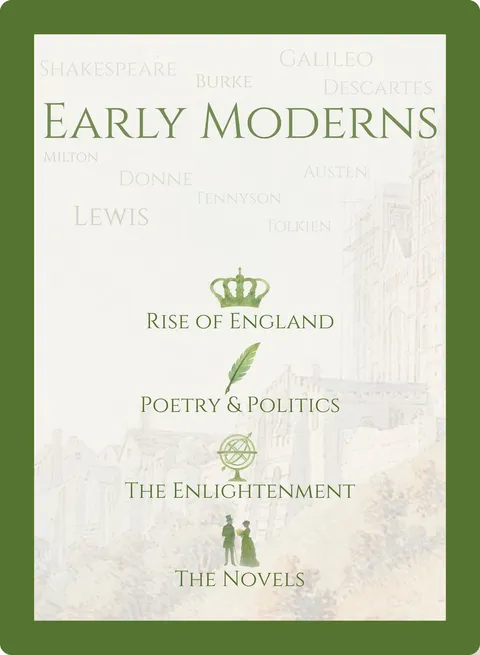
Shakespeare and Milton, the Enlightenment and the Romantics, then the great novels, all the way to Tolkien.
Homer, the tragedians, the historians and the philosophers: where the West begins.
Homer
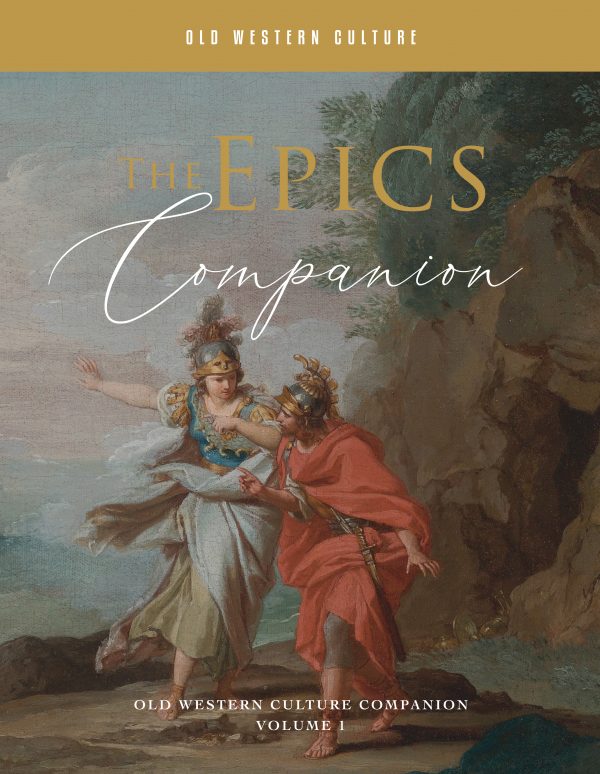
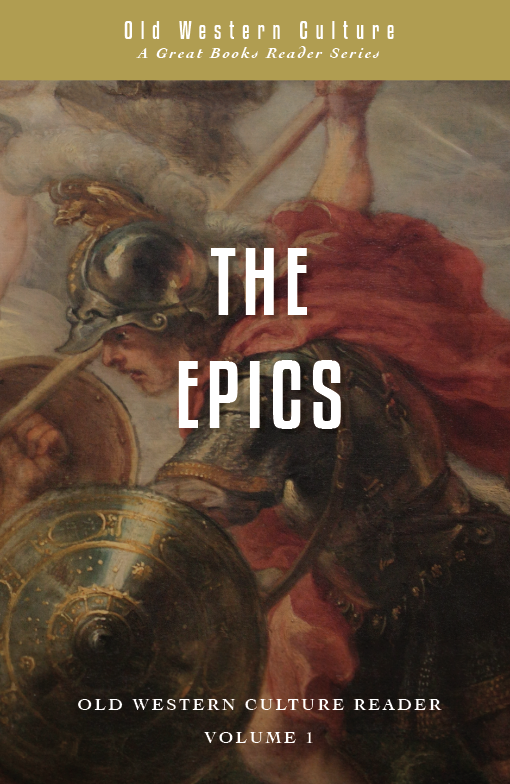
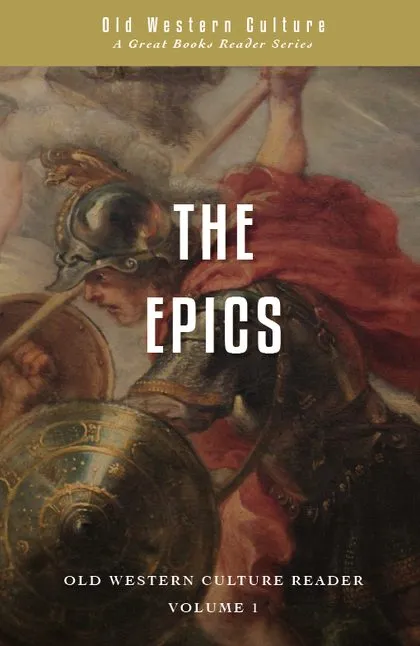
Greeks: The Epics covers the two great poems of Homer: The Iliad and the Odyssey. Join Wesley Callihan, a veteran teacher of the classics, as he guides the student through the world of Homer. In story-like fashion, he steers the reader through the plot, poetic devices, background, philosophy, history, and beauty of the poems, as well as how we should approach these monuments of Western culture from a Christian perspective.

Aeschylus, Sophocles, Euripides, Aristophanes, Sappho, Pindar, Theocritus, Hesiod and more
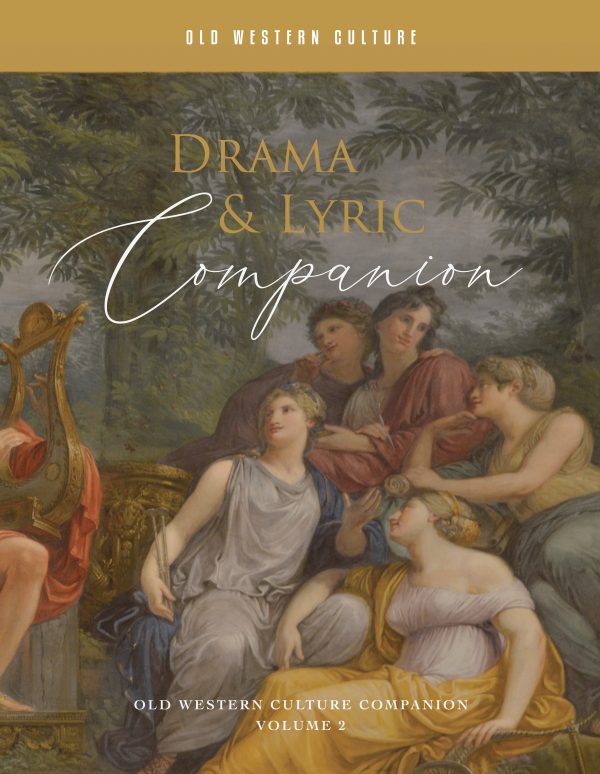
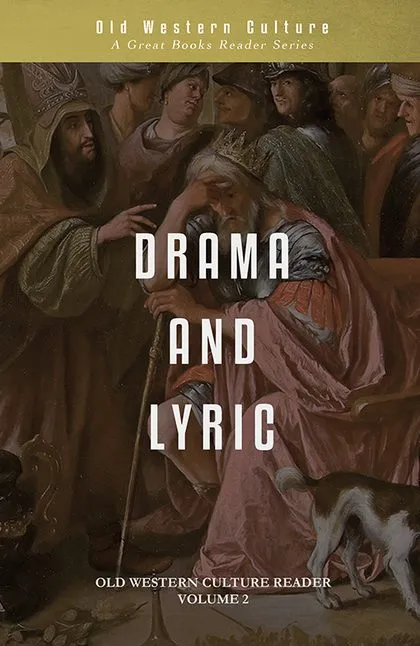
The Greeks: Drama and Lyric covers the beginning of drama and some of the earliest comedies and tragedies known to the Western world. This course includes lectures on the three primary tragedians from the Ancient Greek world by Sophocles, Aeschylus, and Euripides and also one of the most famous writers of Greek comedy, Aristophanes. The course also offers an introduction to Greek lyric poetry from the same era, including passages by Pindar, Sappho, and Quintus of Smyrna. A lecture on the minor epic poetry of Hesiod is also included as a complement to part Greeks: The Epics.
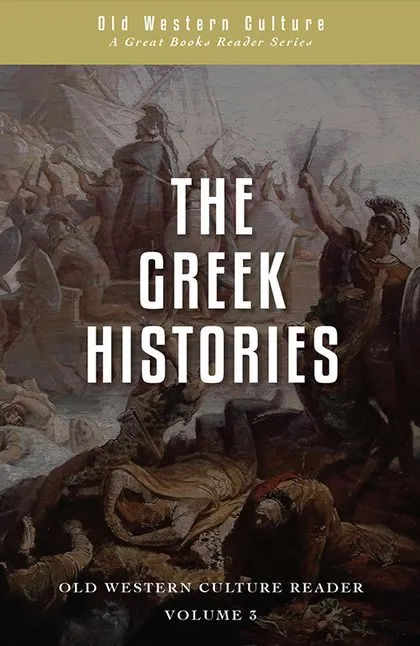
Herodotus, Thucydides, Xenophon
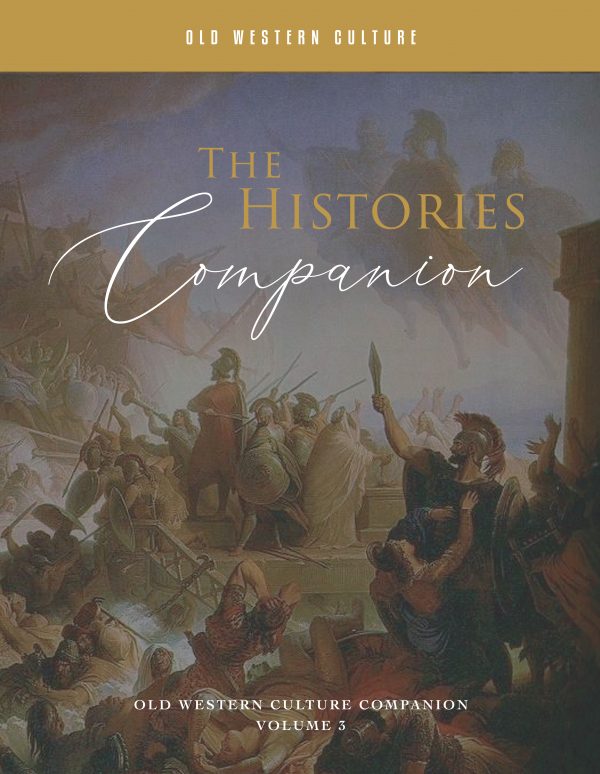
Greeks: The Histories introduces students to three of history’s most influential early historians. Students will learn about Herodotus, the “Father of History”, as they read his masterpiece, The Histories, and its inquiries into the origins of the Greco-Persian Wars. They will read and learn about Thucydides’ History of the Peloponnesian War and its forays into the earliest expressions of political philosophy. And last they will read Xenophon’s Anabasis, the famous account which reads like a novel as it chronicles the march of ten thousand Greeks soldiers on their treacherous journey home through enemy territory.

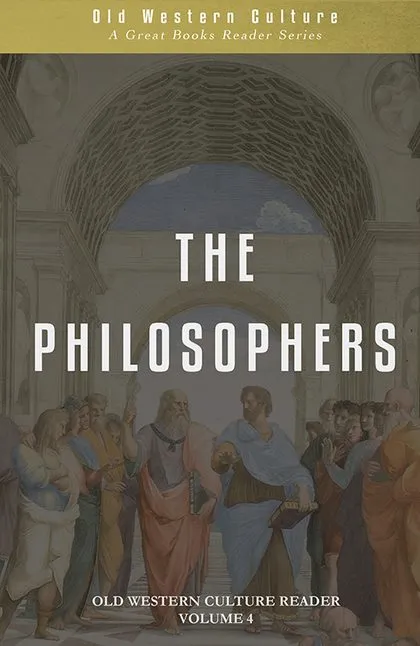
Plato, Aristotle
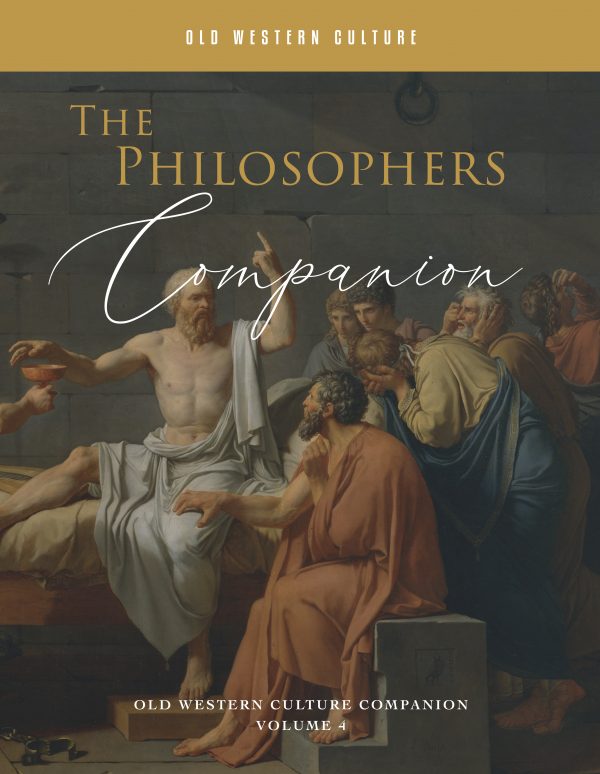
Greeks: The Philosophers covers the most important works of Plato and Aristotle and introduces students to the ideas that have been wrestled with by Western Civilization for over two thousand years. The texts covered in this unit include Plato’s Apology, Crito, Phaedo, Phaedrus, and Republic; and Aristotle’s Metaphysics, Ethics, and Poetics. Wesley Callihan draws from decades of teaching experience as he unpacks the concepts, dispels common misconceptions, and explains how the Christian church and society at large have been influenced by the ideas of these men—both for good and for ill.
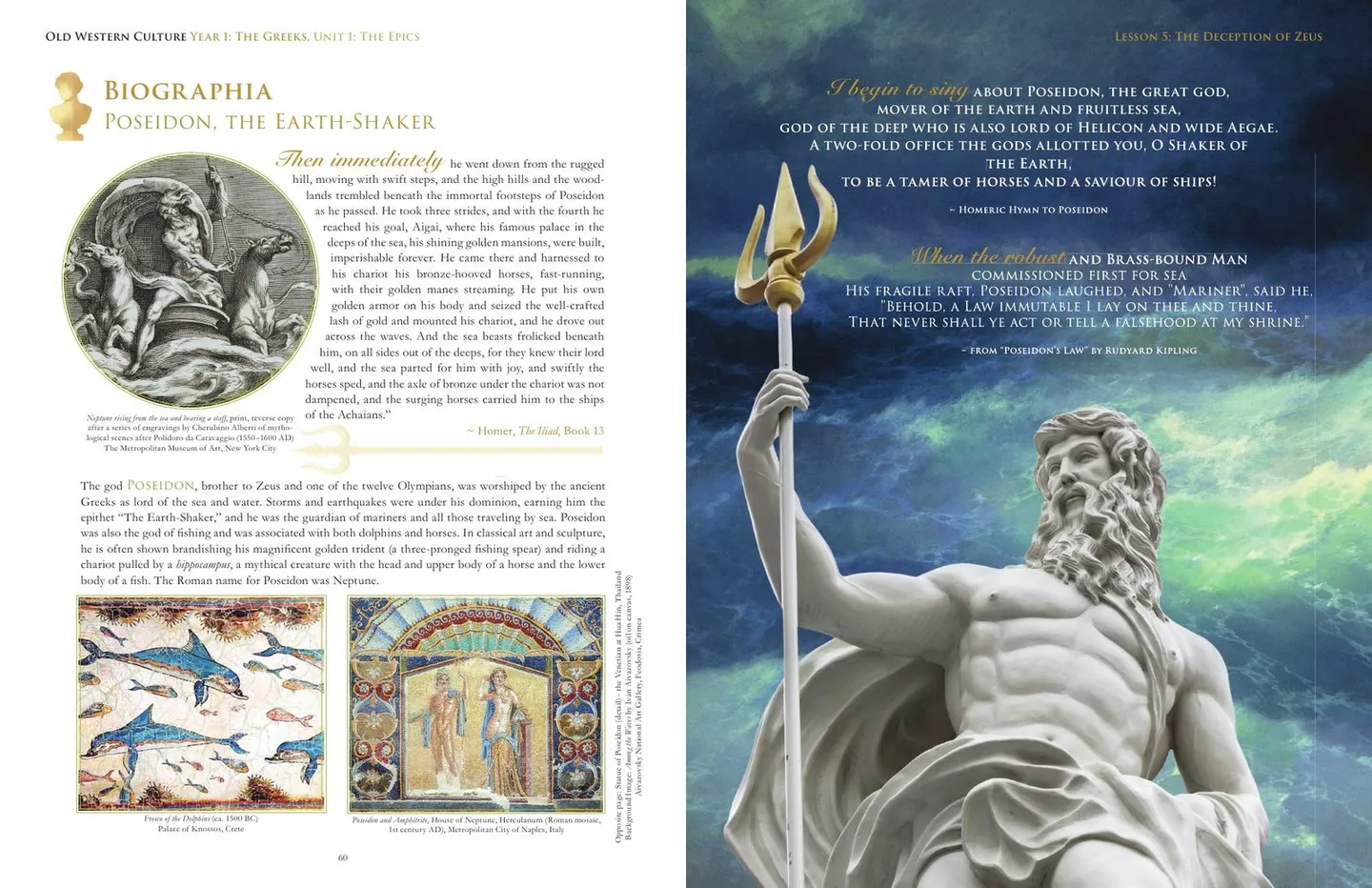
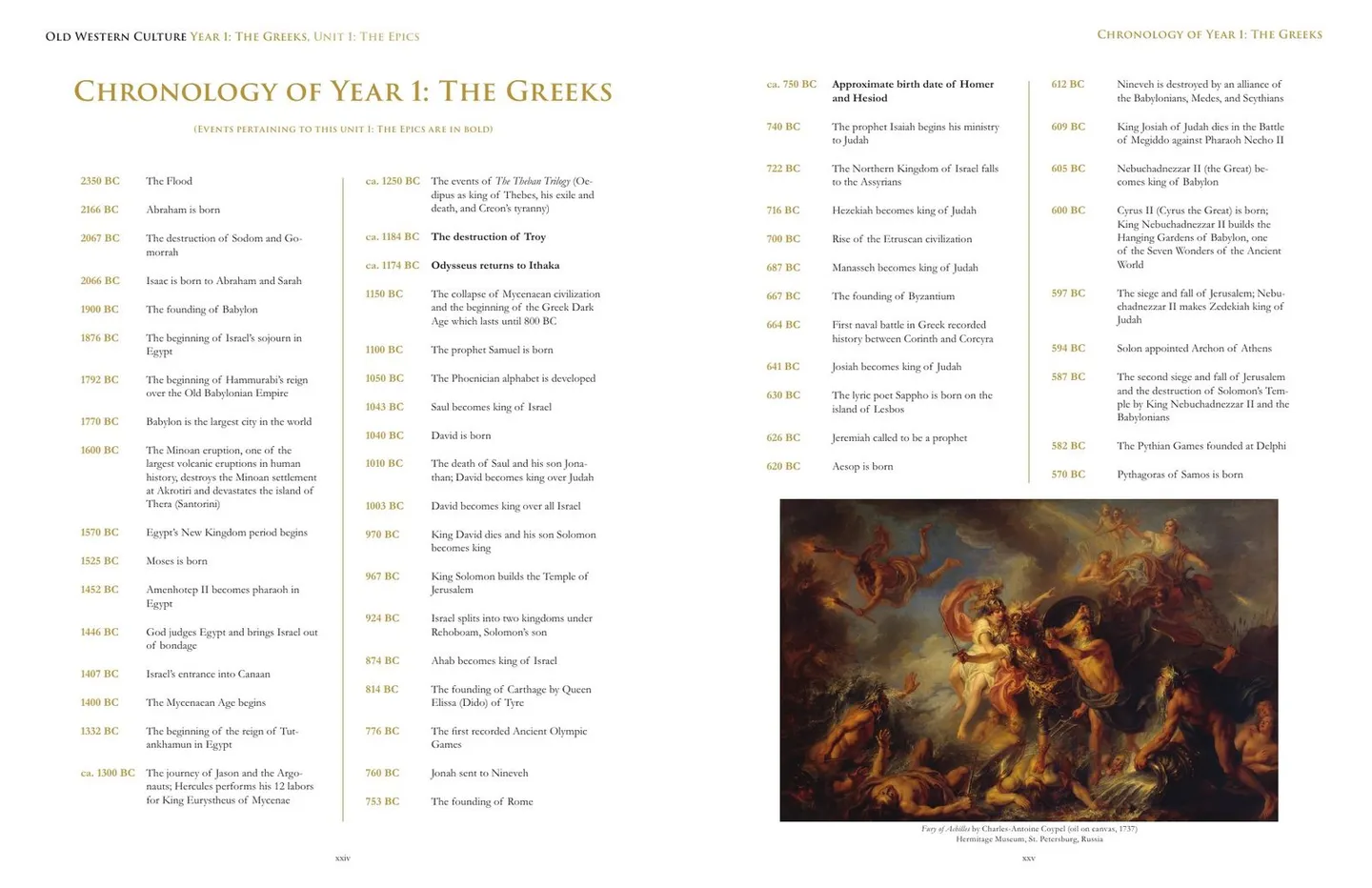
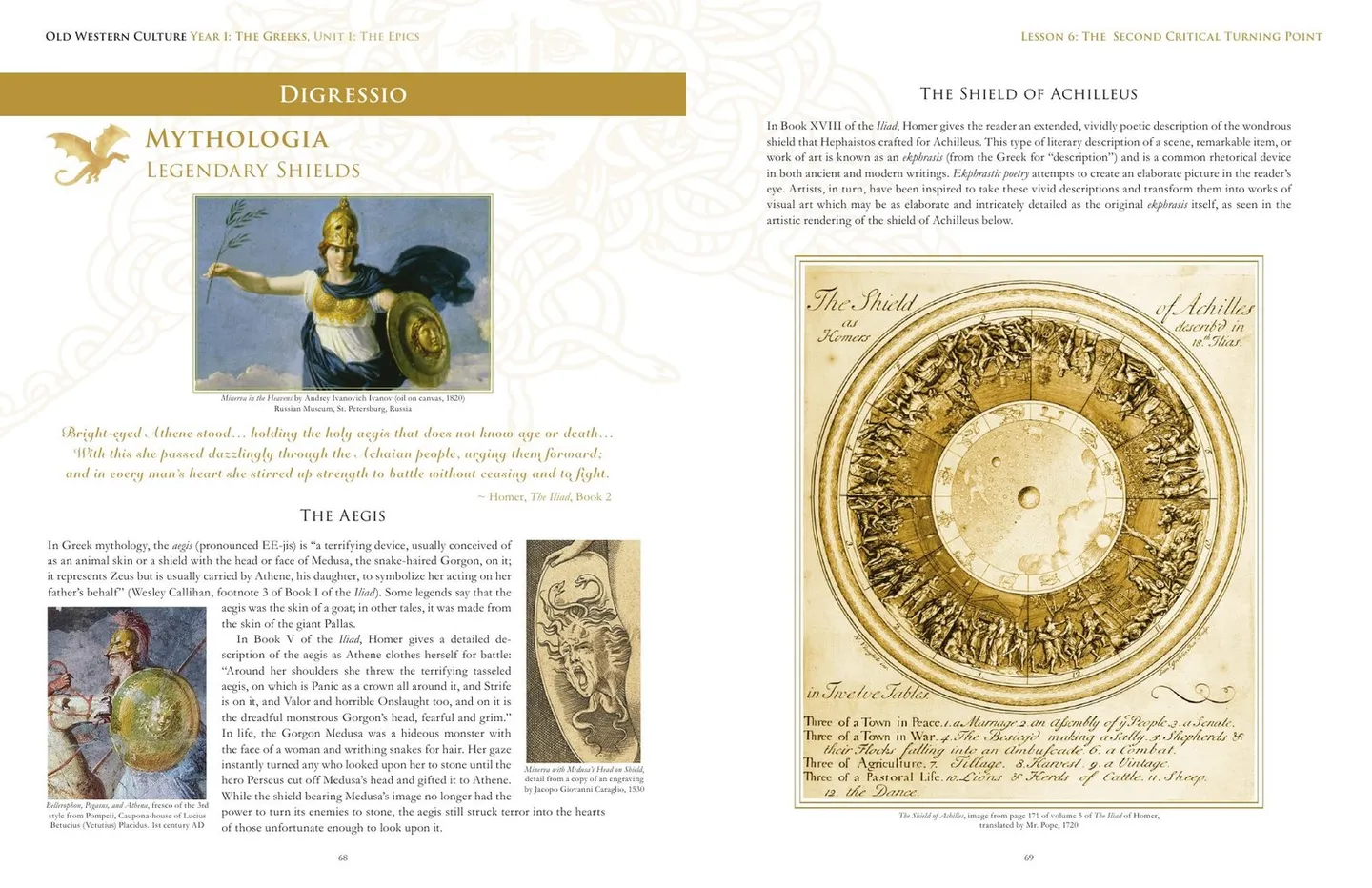
A full-color guide to each unit: schedules, questions for every lesson, and Digressios on the art, history and places behind the books. Sold separately, and highly recommended.
Vols. 1–2 in print and shipping · Vols. 3–4 on pre-order
Vergil and the Roman historians, then the early Church, from the apostolic fathers to Augustine.

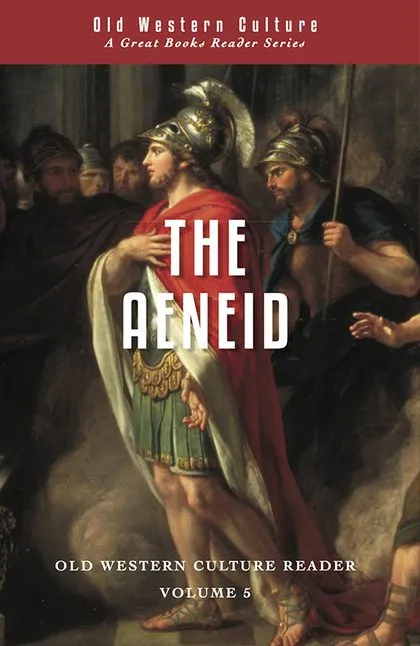
Vergil, Ovid, Lucretius, Lucan, Statius
ROMANS: THE AENEID unpacks one the greatest classics of the West, the Aeneid of Vergil, whose impact profoundly influenced both Roman society and medieval Christianity. Wesley Callihan guides the student through the plot, poetic devices, background, philosophy, history, and aesthetics of the poem, as well as its lasting influence on Western culture and civilization. He then briefly turns to the Roman epics of Ovid, Lucretius, Lucan, and Statius.

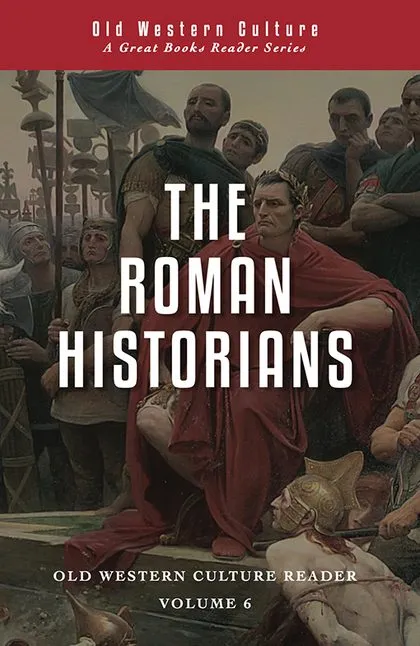
Livy, Sallust, Julius Caesar, Tacitus, Plutarch, Cicero and more
Romans: The Historians guides students through the writings of Livy, Tacitus, Sallust, Julius Caesar, Plutarch, Quintilian, and Cicero. Discover the original works that chronicle the early history of Rome from Monarchy, through Republic, to Empire. In this unit you will discover how the Roman philosophy of history shaped the lives and culture of the Roman people, how the Roman historians recognized the signs of cultural decay in their own day, and finally, how the persecution of the Early Church played a critical role in the spread of Christianity throughout the empire.
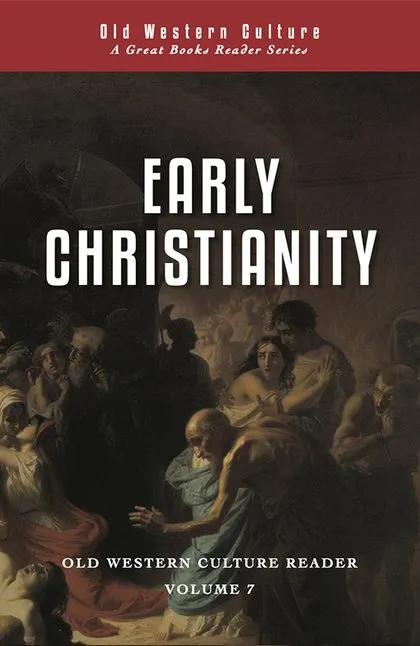
The Didache, Clement of Rome, Ignatius and Polycarp, Athenagoras, Epistle to Diognetus, Justin Martyr, Irenaeus and more
Romans: Early Christianity introduces students to the writings of the post-apostolic authors and their historical context. Learn about the persecutions of the early Christians and how they held fast to the faith as chronicled by the historian Eusebius. As the Church becomes more established, learn how early theologians defended the faith against various false doctrines, as was the case with Irenaeus, the Bishop of Lyon. Learn about the writings of The Apologists, Clement of Alexandria, and Justin Martyr, as well as one of the earliest Christian text after the close of the Canon, the Didache.

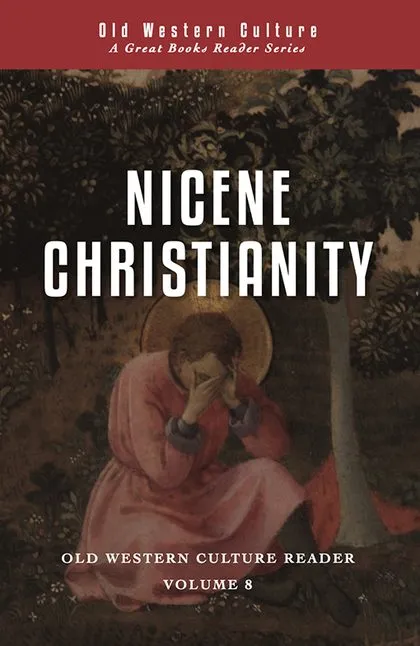
Athanasius, Basil the Great, John Chrysostom, Gregory of Nazianzus, Augustine, Boethius
Romans: Nicene Christianity introduces students to the creeds and councils of the early Church and the fascinating story of how they came about. Wesley Callihan guides students through Augustine’s Confessions and City of God, and selections from John Chrysostom, Athanasius, and Boethius. Learn how the late Roman Christians viewed themselves as the last remnants of Paganism fell, and the Christian defense mounted by Augustine against the accusations that Rome fell because she abandoned the Pagan gods. Learn how Athanasius influenced the Council of Nicea as the Church gathered to discuss the deity of Christ.
Until then, every unit includes the Original Workbook (PDF). Leave your email and we’ll tell you when the Companions are ready.
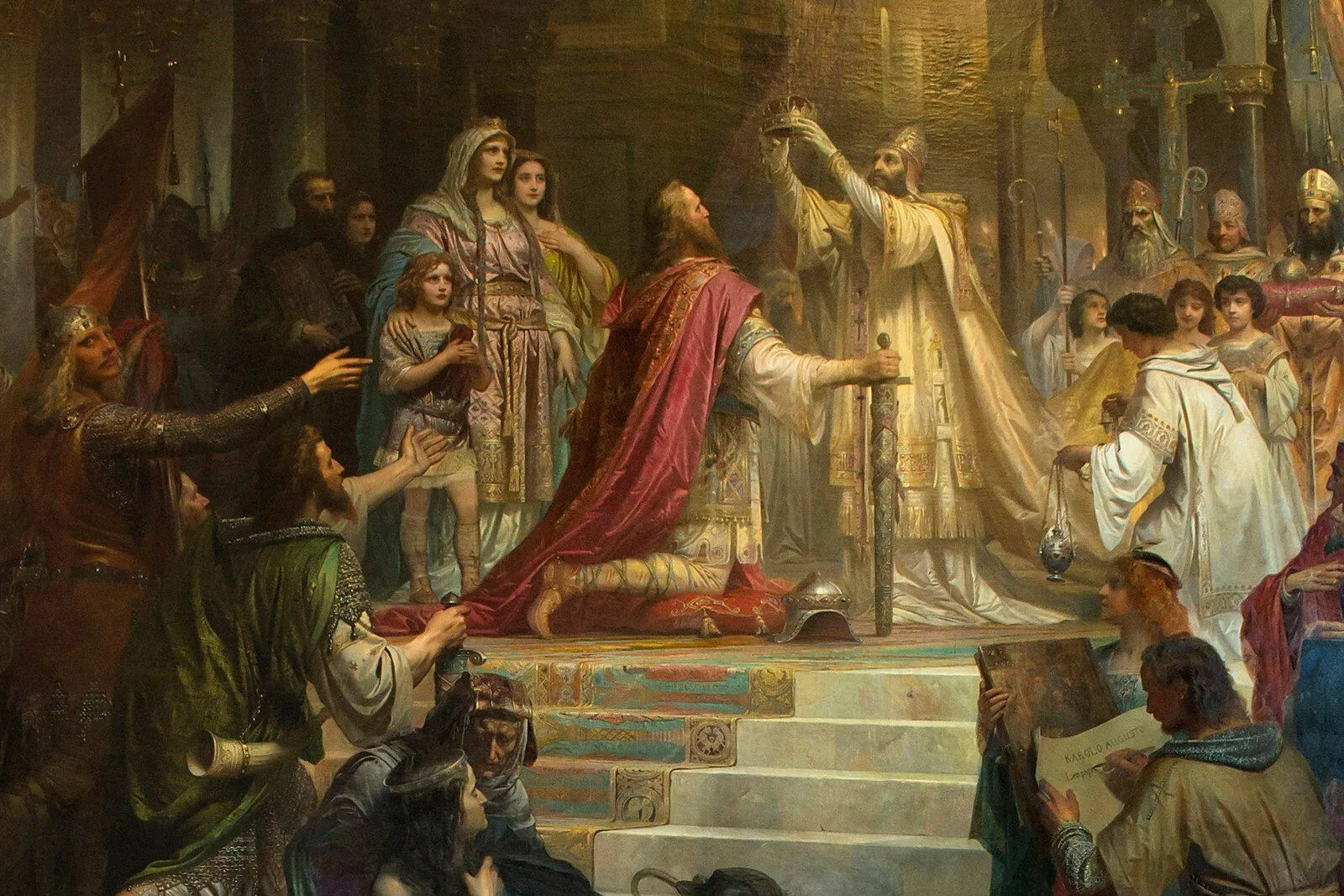
Monks, saints and kings; Anselm and Aquinas; Dante; Chaucer and the Reformation.

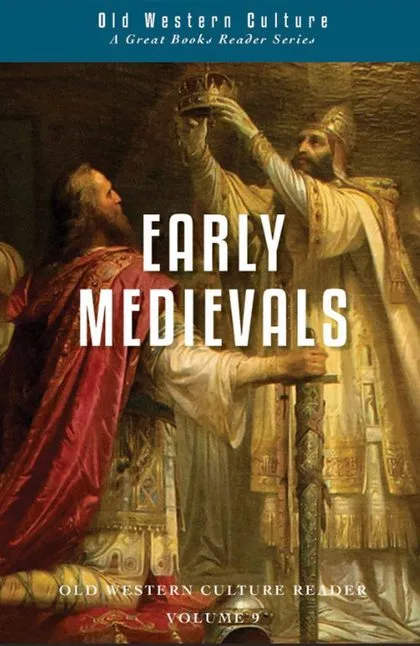
Benedict, Procopius, Gregory of Tours, Gregory the Great, St. Patrick, Adomnán and more
Christendom: Early Medievals, The Growth of European Christianity, introduces students to life in the Middle Ages from a Christian perspective. Students will read about the military exploits of the Eastern Roman Empire under the emperor Justinian as chronicled by Procopius, the last great historian of the Roman world. Learn how the development of monasticism preserved learning and culture after the fall of the Roman Empire, contrary to Enlightenment assumptions. Learn about the central role that Irish Christianity played in the spread of the gospel through the lives of St. Patrick, Bede, and others.

Anselm, Geoffrey of Monmouth, Jacobus de Voragine, Villehardouin, Joinville
Christendom: Defense of the Faith, Scholasticism in the High Middle Ages, immerses students into one of the most misunderstood periods of history. Start by learning about Anselm’s theological defense of the faith as he explains his ontological argument for the existence of God. Through Monmouth’s History of the Kings of Britain, learn about the background to the Crusades. Finally, learn about the Crusades themselves, both the good, and the bad. Don’t miss the harrowing tales of Vikings escaping Constantinople and knights fighting for the faith!

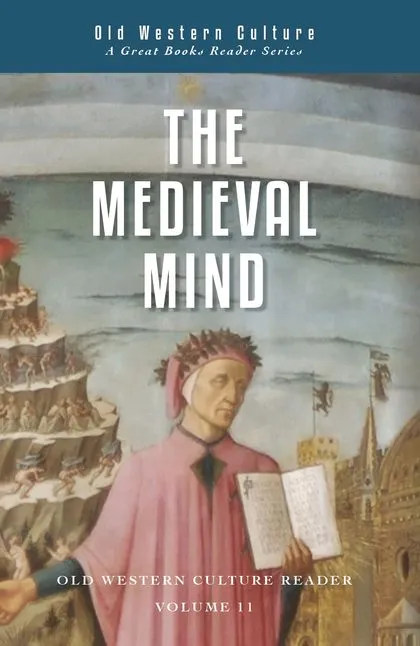
Thomas Aquinas, Dante
Christendom: The Medieval Mind begins by guiding students through the basics of Thomas Aquinas’ Compendium, introducing students to the medieval mindset which greatly influenced later theologians and philosophers. With this foundation, students embark on a journey through Dante’s conception of Hell, Purgatory, and Paradise in The Divine Comedy, exploring medieval concepts of guilt, atonement, beauty, and the cosmos. Meet many classic characters from the Greeks to Dante’s present day as Dante uses his allegory to explore human nature, as well as the politics of his day.

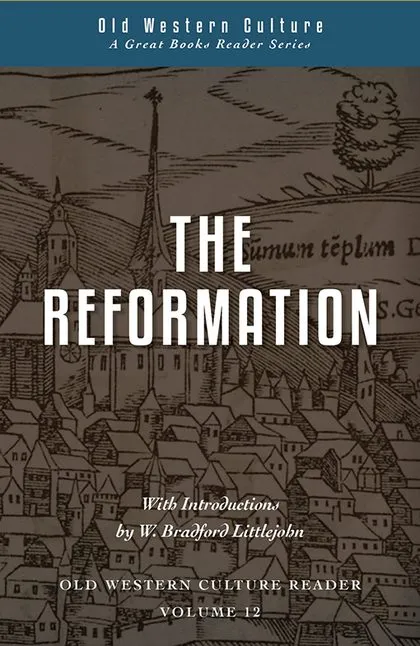
Chaucer, Luther, Erasmus, Calvin, Cranmer, Foxe, Hooker, Spenser
Christendom: The Reformation: Post Tenebras Lux, introduces students to the great minds of the Reformation: John Calvin, Martin Luther, Thomas Cranmer, and Erasmus. But a study of this tumultuous period of history would be sorely lacking without a thorough understanding of the historical setting of the Reformation. Wesley Callihan and Dr. Chris Schlect team up to lay a solid foundation for understanding the origins and struggles of the Reformation, as well as its theology and influence. Students will read part of Calvin’s Institutes of the Christian Religion, as well as Chaucer’s Canterbury Tales and Spenser’s Faerie Queene.
Until then, every unit includes the Original Workbook (PDF). Leave your email and we’ll tell you when the Companions are ready.
Shakespeare and Milton, the Enlightenment and the Romantics, then the great novels, all the way to Tolkien.

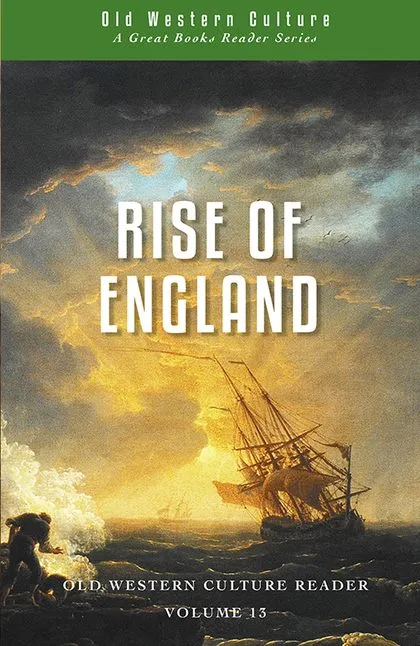
Shakespeare, Donne, Herbert, Marvell, Milton
RISE OF ENGLAND introduces students to some of the greatest poetry composed in the English language. Dr. Peter Leithart guides students through the three major play types by looking at the tragedy of King Lear, the history of Richard III, and the comedy of The Merchant of Venice, as well as six of Shakespeare’s sonnets. Wesley Callihan then guides students through the great epic poem: John Milton’s Paradise Lost, as well as the poetry of George Herbert, John Donne, and Marvell. Learn about the influence this poetry had on England in its day, and the lasting legacy of these works in culture to this day.

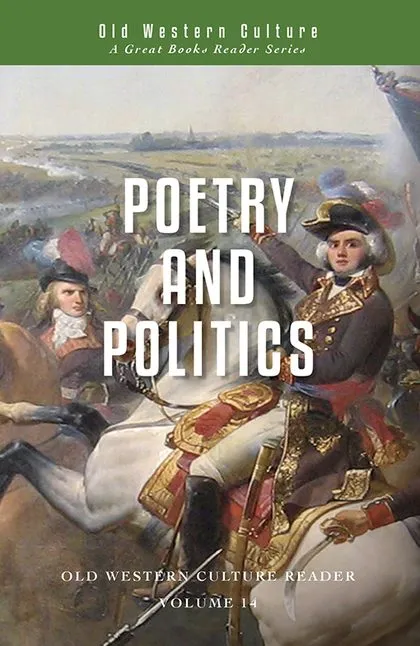
Pope, Burke, Coleridge, Wordsworth, Byron, Keats, Shelley, Tocqueville, Poe and more
Poetry and Politics guides students through a tumultuous period of significant change in Western civilization. Nations and individuals grapple with questions of identity, what it means to be free, and what it means to be human. Enjoy the poetry of Pope, Coleridge, Wordsworth, Byron, Keats, Shelley, Tennyson, Browing, Arnold, Rossetti, Hopkins, and Poe. Explore the political treatises of Edmund Burke and Alexis de Tocqueville.

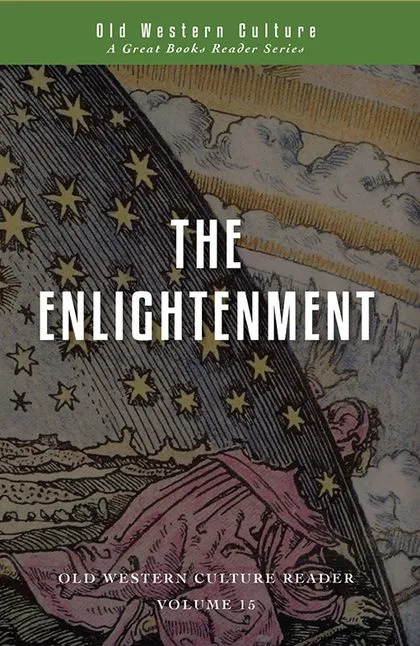
Galileo, Descartes, Newton, Hume, Kant, Reid
Dr. Mitch Stokes begins his introduction to the Enlightenment of the 18th century with the Greek Pythagoreans and the “problem of change” and traces those issues to the Scientific Revolution. Students learn about the search for certainty that led to skepticism through the works of Galileo, Descartes, Newton, Hume, Kant, and finally Reid, as each philosopher grapples with the nature of knowledge.

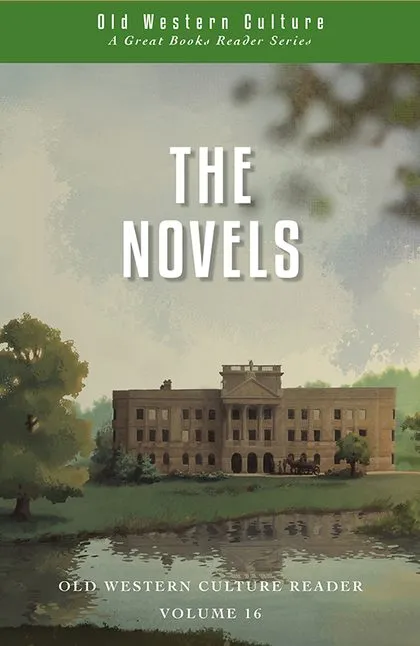
Jane Austen, Dickens, Dostoevsky, Chekhov, Tolkien, C. S. Lewis
Old Western Culture: The Novels wraps up the series of the great books with a study of some of the great novels of the 19th century, Wesley Callihan guides students through Dickens’s heartwarming A Christmas Carol, and then turns to Dostoevsky’s darker Russian tale, The Brothers Karamozov, as well as Chekhov’s The Bet. A study of Austen’s Pride and Prejudice looks at both the story and the social setting of England during this period. Old Western Culture concludes with a hat-tip to two of the 20th-century revivors of the great books: C. S. Lewis, who coined the term “old Western culture,” and J. R. R. Tolkien, with guest lecturer Jonathan McIntosh, who guides students through the story and themes of The Lord of the Rings.
Until then, every unit includes the Original Workbook (PDF). Leave your email and we’ll tell you when the Companions are ready.
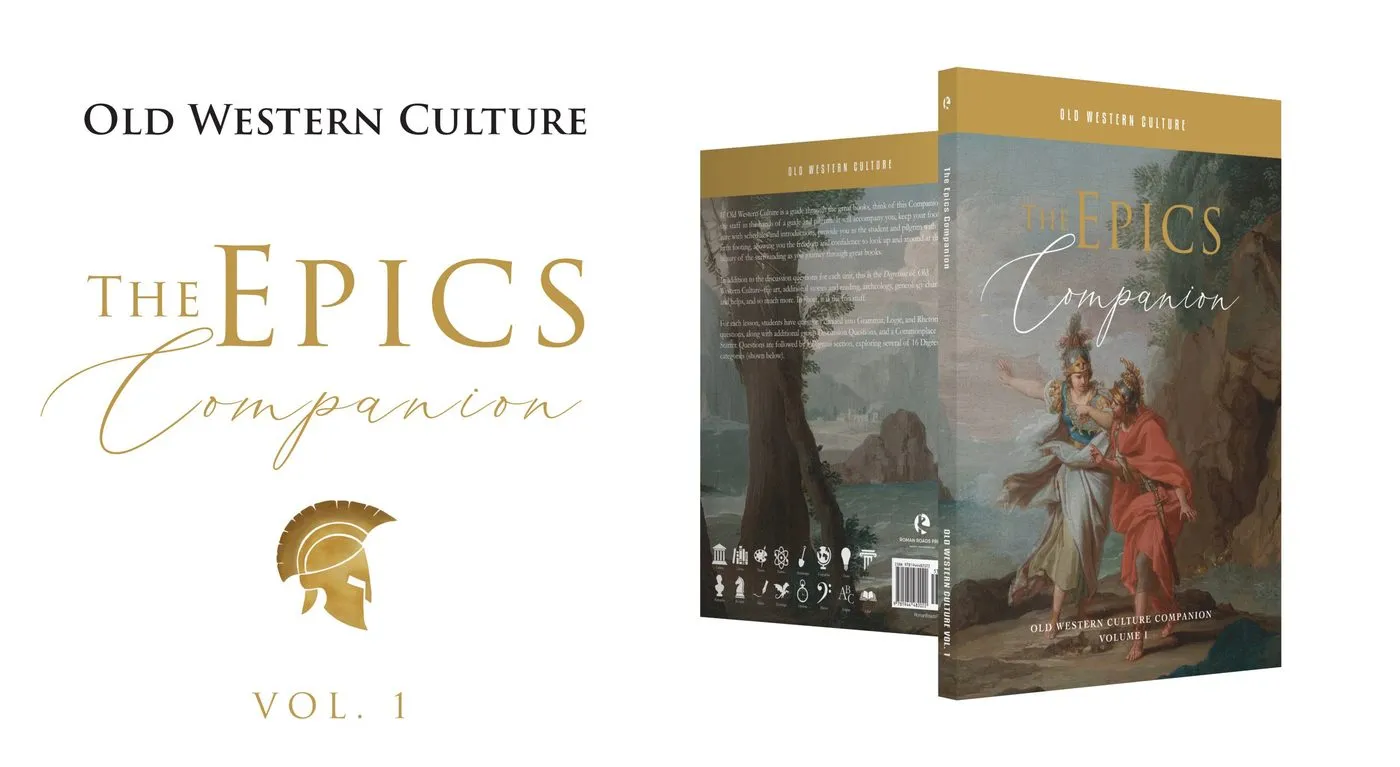
One printed, full-color volume for each unit. It stays close to the texts, adds no busywork, and is built for delight: the art, music, maps and stories that surround each lesson.
Use it at home, in a co-op, or in a classroom: students watch at home and discuss in class, or a teacher lectures live from the Companion.
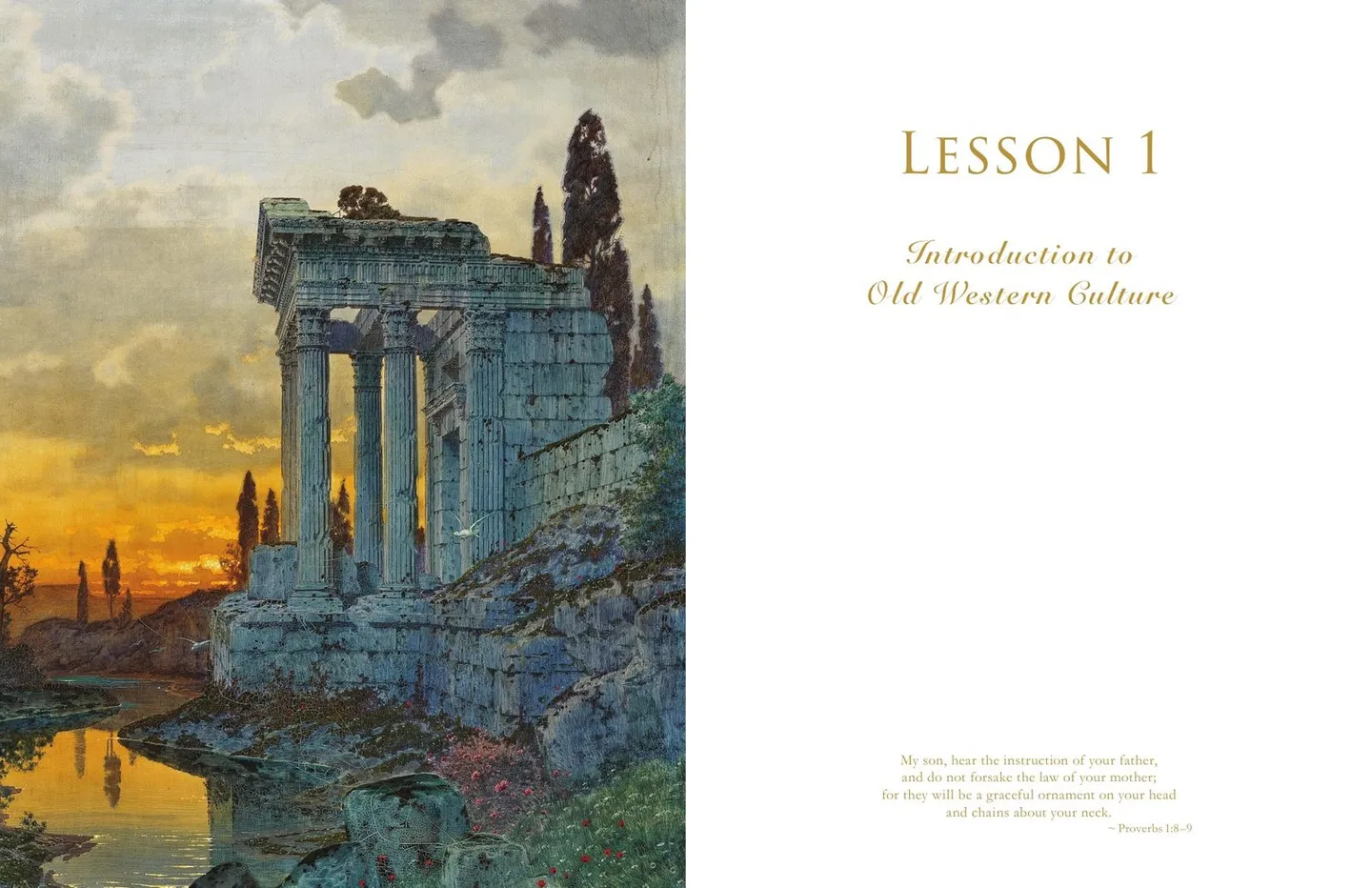
 Litteraeletters
 Recreatiogames and food
 Triviacuriosities
 Scientiascience
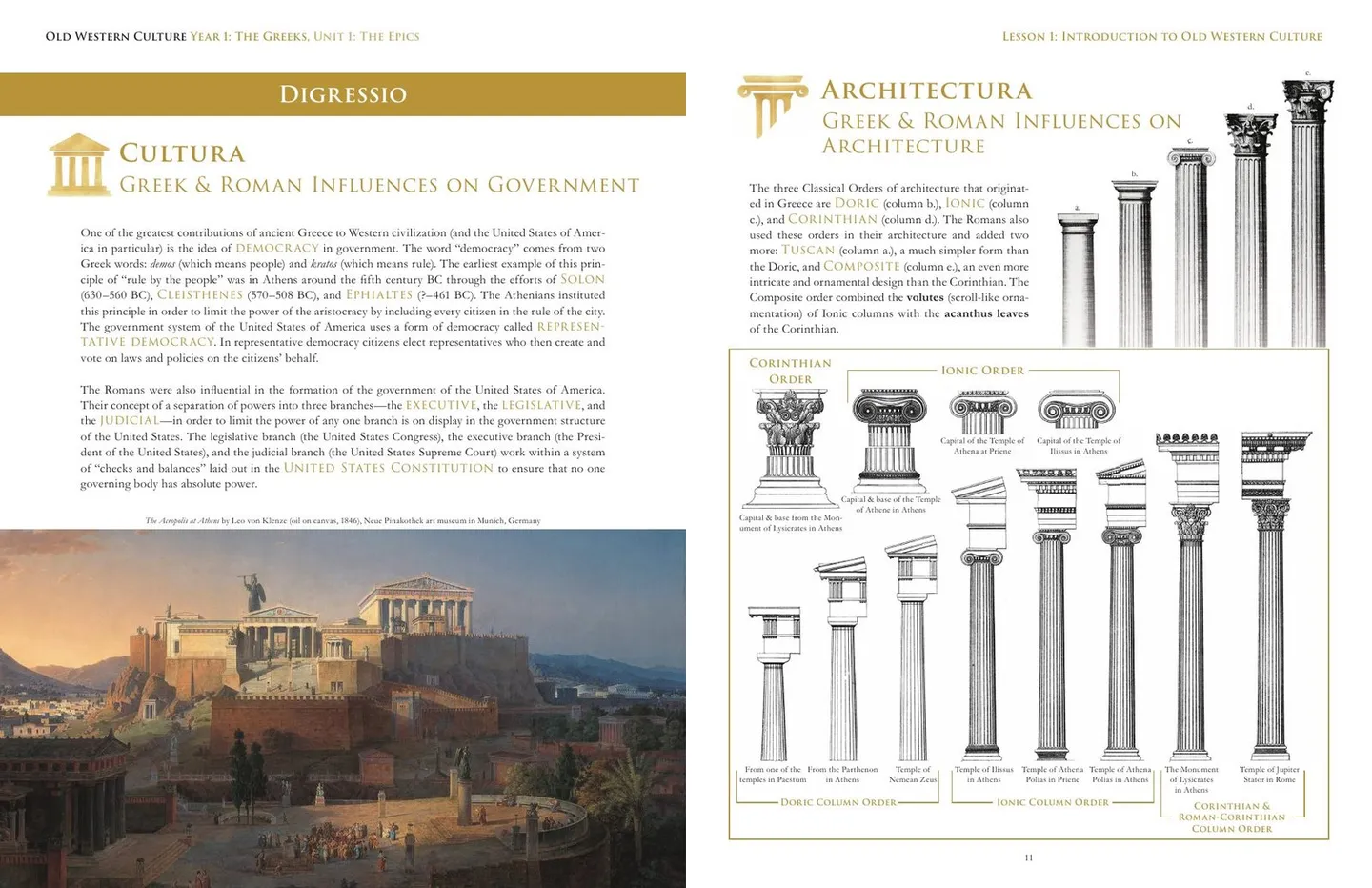
 Architecturabuildings
 Culturadaily life
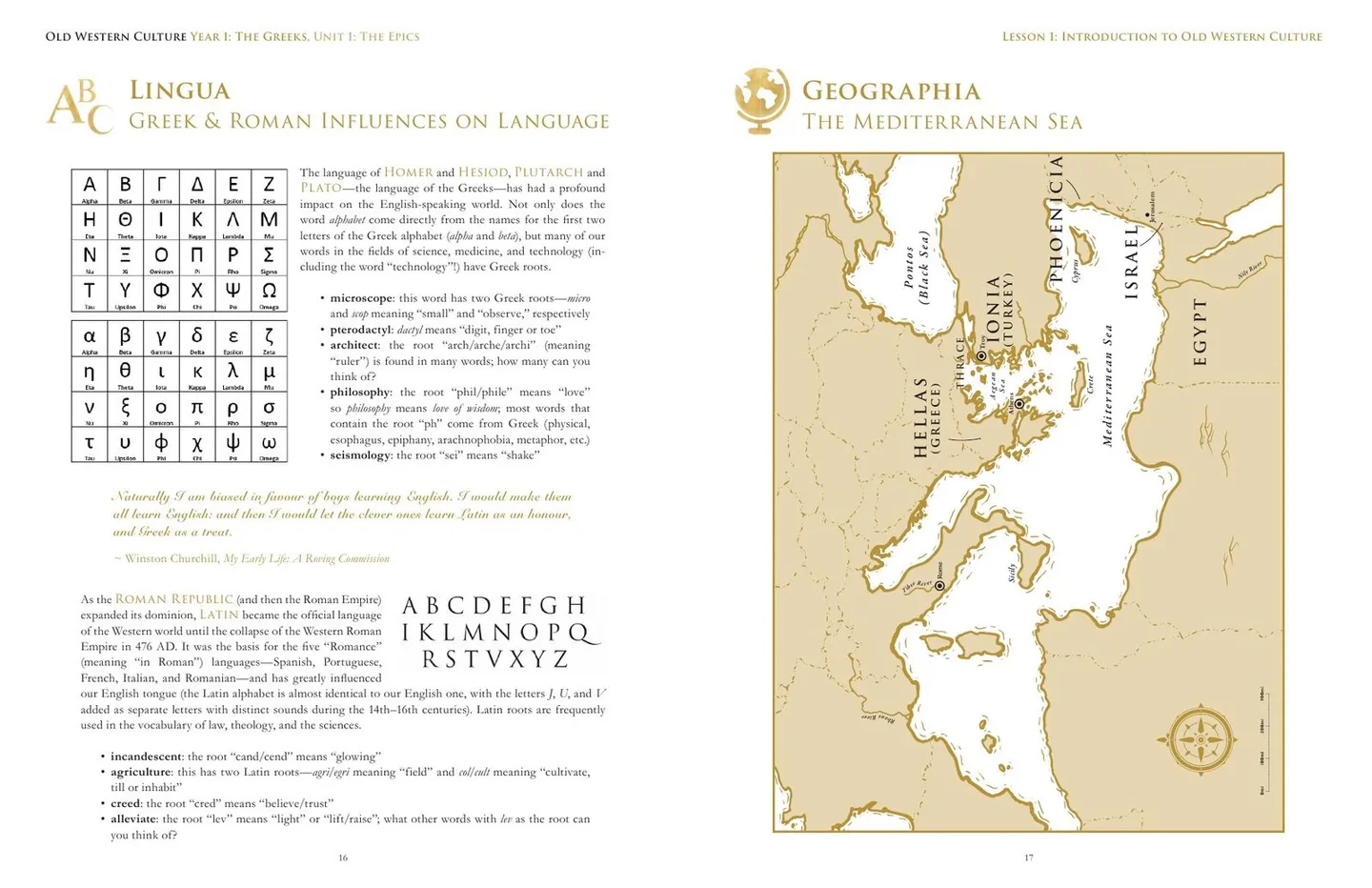
 Geographiamaps
 Biographialives
 Liberbooks
 Archaeologiadigs
 Poeticapoems
 Picturapaintings
 Mythologiamyths
 Musicamusic
 Historiahistory
 Lingualanguage
Included in the Roman Roads app: Companion resources (music, videos, audiobooks and art) for Companion owners (some features still in development).
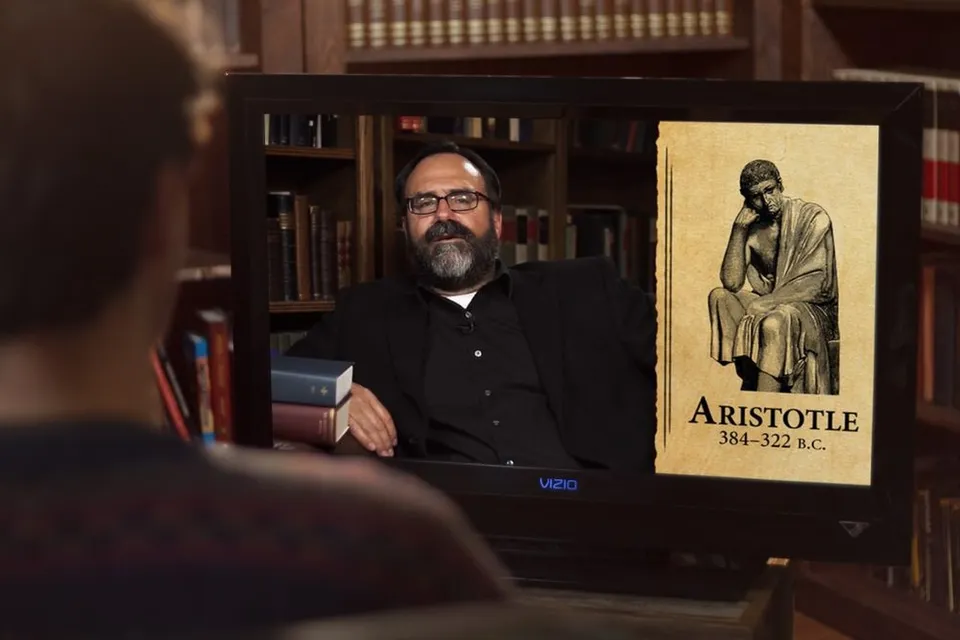 Free in the app · 16 minLecture 1: Introduction to Old Western CultureWhy read old books at all? Wes Callihan begins with C. S. Lewis.
 ExcerptThe Iliad at a GlanceA taste of the storytelling, from The Epics.
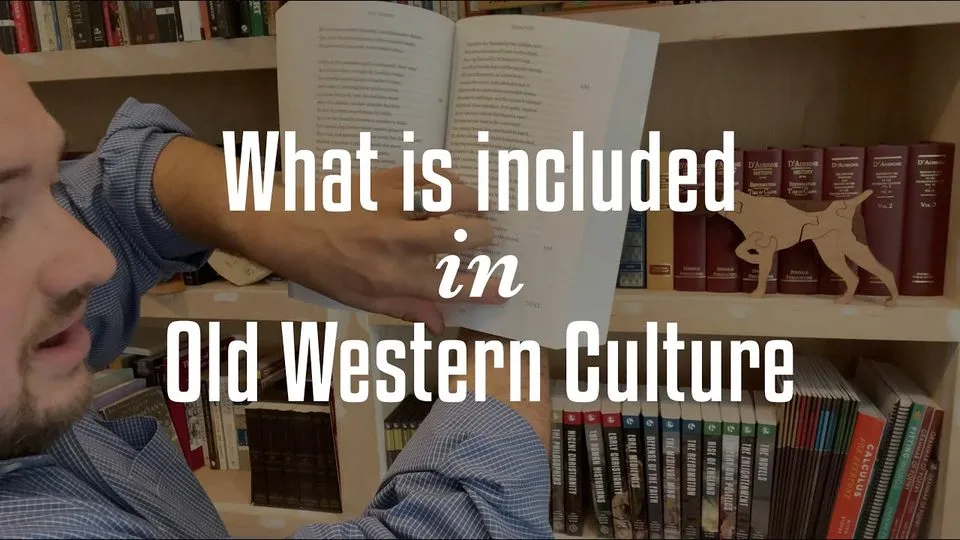 WalkthroughWhat’s included in Old Western Culture?The lectures, the Readers and the workbooks, opened up.
Founder of Schola Classical Tutorials, where he taught the great books online for over twenty years. He has taught at Logos School, New Saint Andrews College and Veritas Academy.
“His presence hovers throughout the program like a benevolent, highly intelligent centaur: noble, serious, and wise.”— Exodus Books
 Peter LeithartShakespeare, in Rise of England
 Chris SchlectThe Reformation
 Mitch StokesThe Enlightenment
 Jonathan McIntoshTolkien, in The Novels
“They have included a booklet with some of the most beautiful artwork to accompany the course. It’s like walking through a museum. Frequently, my son shares a story at the dinner table about what Mr. Callihan said.”
“If you want your child to have a Great Books, classical education – either the kind you had or the kind you wish you had – Wes Callihan is the man to teach her.”
“My husband and I did it together after we put the kids to bed and called it a weekly ‘date night.’ … We were both amazed at the vast knowledge that just seeps out of Wes Callihan.”
“Old Western Culture: A Christian Approach to the Great Books is everything other Classical-style courses wish they were.”

We sell our curriculum. When you buy a Roman Roads course, it is yours for life: not a license that lapses with the school year, not a renewal to remember. The same lectures and books will be there for your next child.
“Every home library is a citadel of knowledge and wisdom, delight and experience, carefully curated for future generations. The man who builds a good library, raising his children beneath their spines, will strengthen the spines of his children in doing so.”
 Watch the ad · 3 min
Every purchase streams in the Roman Roads app, with the Reader eBooks, the Original Workbook (PDF) and the exams included.
from $74.75
12 lectures and one Reader. Mix and match any of the sixteen, or fill a gap in your own plan.
from $299
Four units, 48 lectures and four Readers: a full school year and about two high-school credits.
from $1,196
All sixteen units and 192 lectures: four years of high-school humanities, and a library for the family.
Grow a library. Add paperback or hardback Readers and printed Companions on the product page. Physical books always include the digital version.
DVD sets available while supplies last.
Two high-school credits per year: a dual Integrated Humanities credit, or one Literature and one History credit. It is not college credit.
Each unit is a nine-week term; plan on one to three hours a day. The Honors track reads everything. The Essentials track reads a shorter selection and still watches every lecture, which suits a faster pace, a summer, or a parent reading along.
Most families start with The Greeks in 9th grade and go in order. Each year also stands on its own, and any unit can be bought by itself. It is very common for families or schools to use them "out of order" or mix-and-match.
It is written for grades 9–12, and used just as happily by parents, adults and teachers who want the classical education they never had. Many parents watch along with their students. It is used by teachers for lecture prep and teacher training as well.
Yes. With the Companion, students watch at home and discuss in class (the Classical Recitation model), or a teacher lectures live. Ask us about school and co-op pricing, and licensing for schools.
Not required, but recommended! The Reader eBooks come in the app with every purchase, and the editions already on your shelf work too. Printed Readers are an upgrade. We highly recommend students have physical editions of the works, whether that is our Readers or their own edition.
No. You buy it once and it is yours for life, as long as Roman Roads Press is around to deliver it, and we are building a company with a 100+ year vision in mind!
In the event that we couldn't deliver via our platform, we would make it available via another means. We want family owning the curriculum for a generation+.
| One unit | One year | Full series | |
|---|---|---|---|
| Price | from $74.75 | from $299 | from $1,196 |
| Video lectures | 12 | 48 | 192 |
| Reader eBooks | 1 | 4 | 16 |
| Original Workbook and exams (PDF) | Included | Included | Included |
| High-school credit | About ½ | About 2 | About 8 |
| Printed Readers, printed workbooks | Optional add-ons at checkout | ||
| The Companion | Sold separately, $39 a volume | ||
| DVDs | Available while supplies last | ||