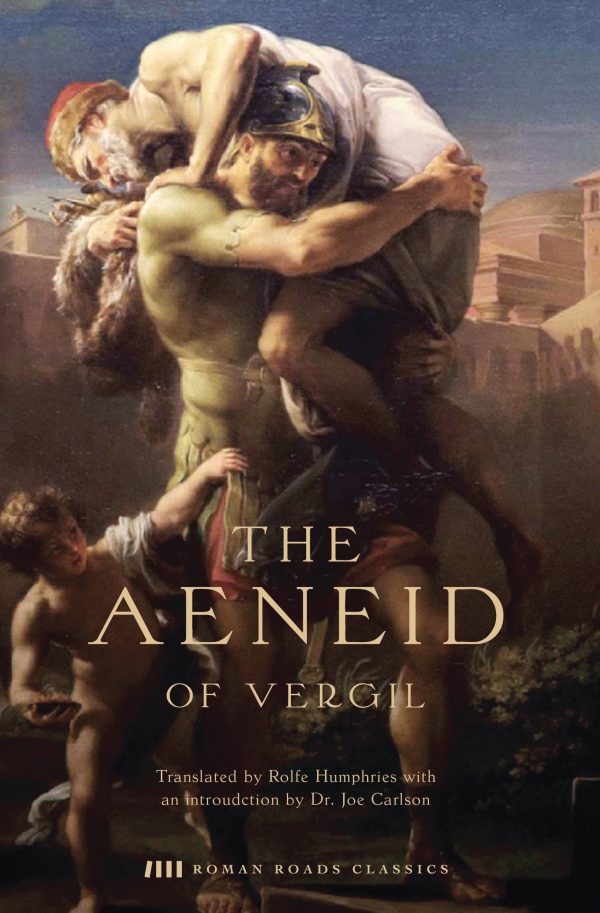
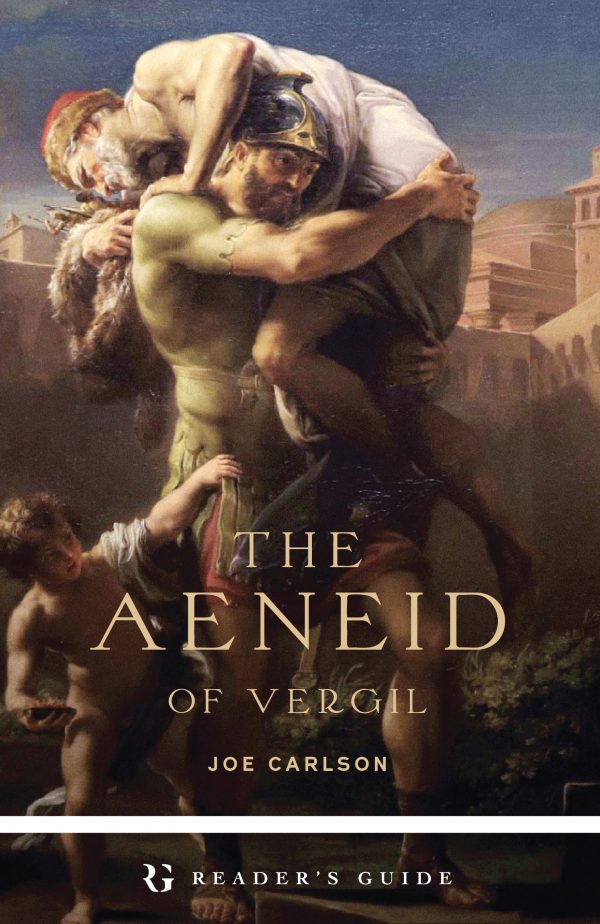
The Aeneid of Vergil
Translated by Rolfe Humphries · Introduction by Dr. Joe Carlson
Humphries’ 1951 translation, back in print for the first time in over half a century, with the translator’s own introduction.
Publius Vergilius Maro · 70–19 BC
Arma virumque cano
“Arms and the man I sing.” Aeneid I.1
The poem that made Rome. Read it in Rolfe Humphries’ translation with Dr. Joe Carlson’s Reader’s Guide, study it with Wes Callihan in Old Western Culture, and hear it discussed at Roman Roads After Hours.
Translated by Rolfe Humphries · Introduction by Dr. Joe Carlson
Humphries’ 1951 translation, back in print for the first time in over half a century, with the translator’s own introduction.
By Dr. Joe Carlson
For each of the twelve books: the characters and places, an in-depth summary, and analyses of what Vergil is doing and why it matters now. Discussion questions throughout.
Wept for Dido as a schoolboy, he tells us in the Confessions, and quotes Vergil throughout The City of God.
Chose Vergil as his guide through Hell and Purgatory in the Divine Comedy.
Took up its form for an epic of his own in English, Paradise Lost.
Two mottoes on the Great Seal of the United States, Annuit coeptis and Novus ordo seclorum, are adapted from Vergil.
PlayWes Callihan’s lectures take the poem book by book: Rome as an idea, the fall of Troy, the tragedy of Dido, the underworld, the shield of Aeneas, the death of Turnus. Then he turns to Ovid, Lucretius, Lucan and Statius.


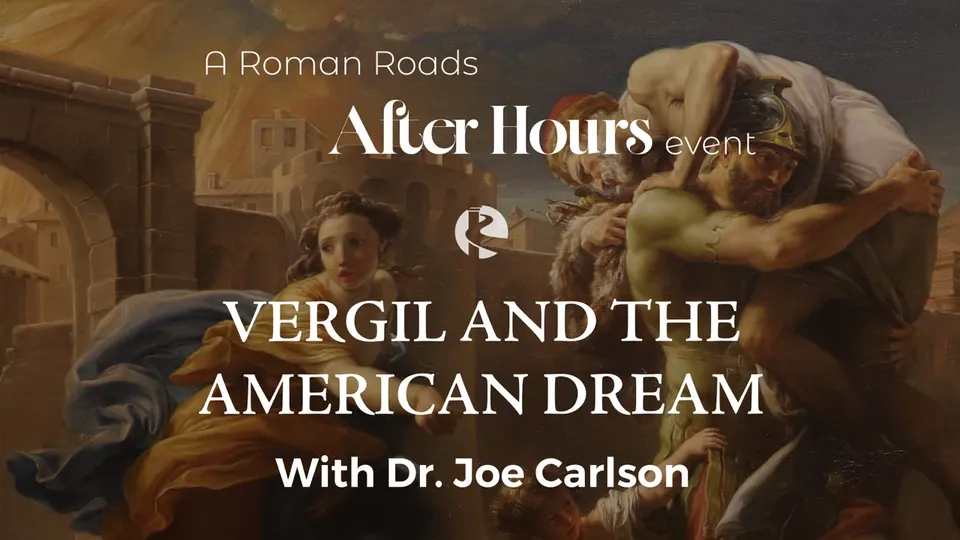
Oct 9, 2026 · 1 h 24 minThe American founders appropriated the Roman Poet and his works to establish an atmosphere of victory, authority, and dignity. Through the use of literary symbols and allusions, the framers of our great country placed their project squarely within a tradition the roots of which are deep in the ancient world. This talk will consider specific elements from the Great Seal, as designed by the Secretary of Congress, Charles Thomson, and their intentional evocation of Vergil’s poetry, including the Aeneid. Panel discussion with Joe Carlson and Daniel Foucachon.

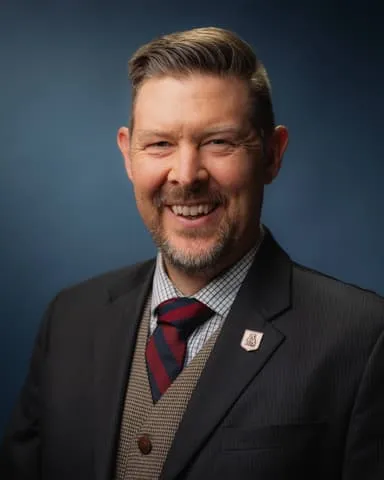
Joe Carlson holds a BA in Liberal Arts and Culture from New Saint Andrews College, and an MA in Humanities and a PhD in Literature from the University of Dallas. In different lifetimes he has co-pastored a church, co-founded a campus ministry, published (micro) epic poetry, and managed a chain of coffee shops. Currently, he is a Senior Editor with Roman Roads Press and a Literature professor at New Saint Andrews College. He lives in Moscow, Idaho, with his wife and son.