Word Hoard
Not a collection of Christian poetry, but a Christian collection of poetry: the poems every English-speaking Christian should know.
$28.95View & buy
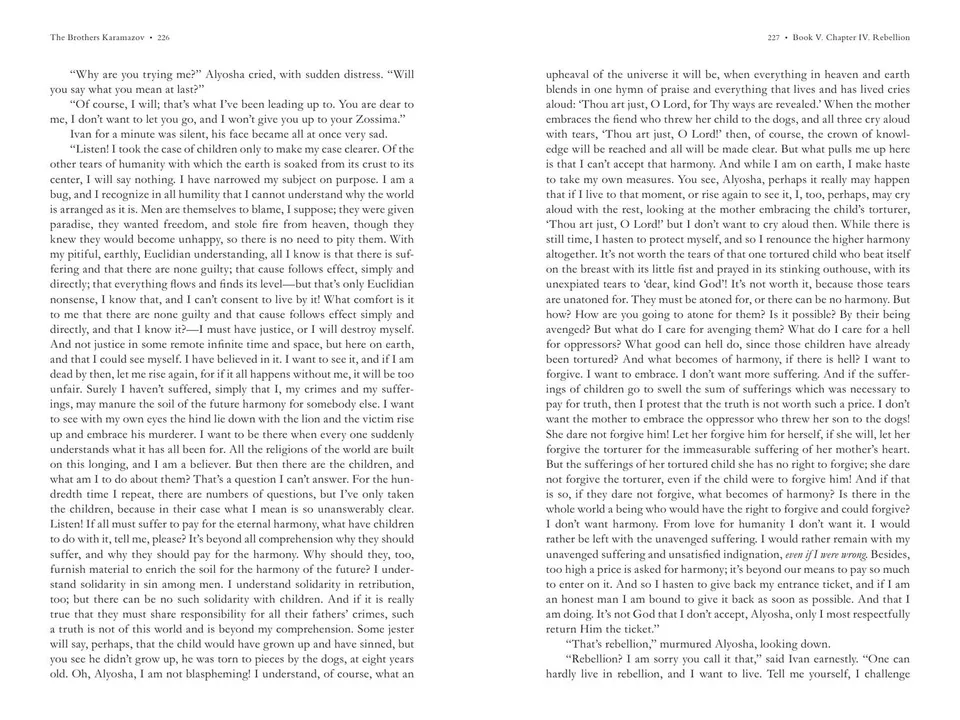
“Fathers and teachers, I ponder, “What is hell?” I maintain that it is the suffering of being unable to love.”
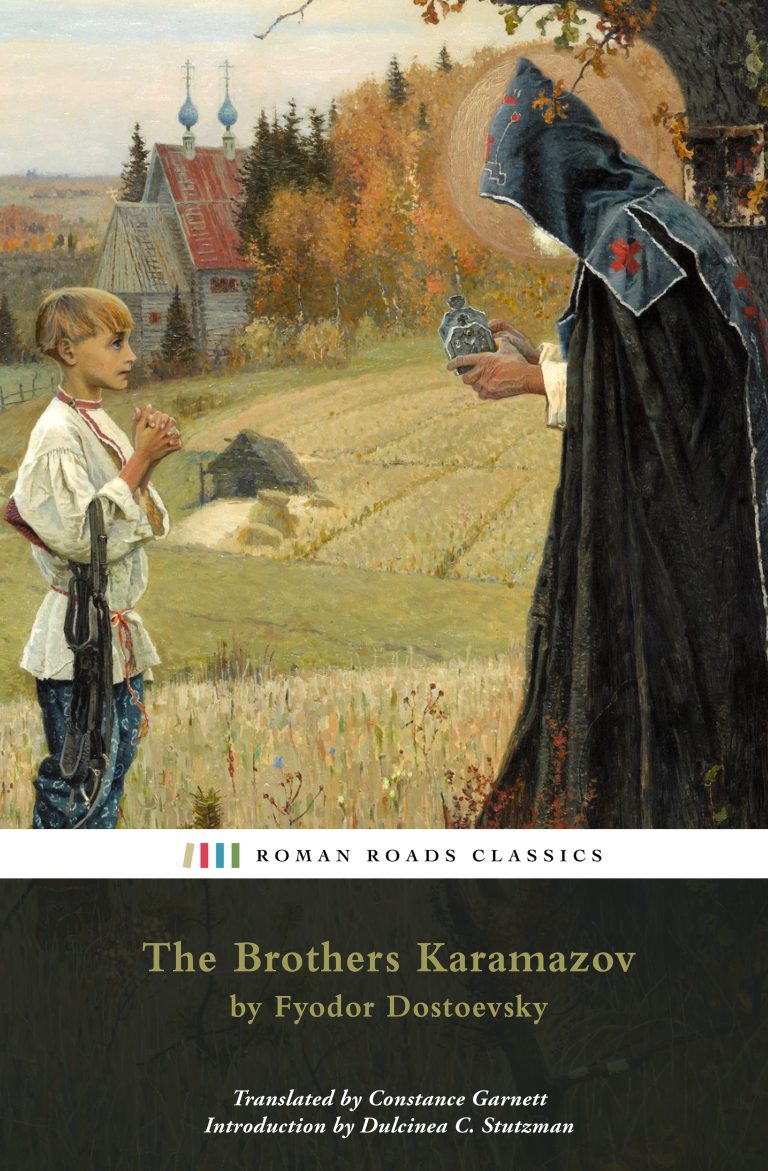
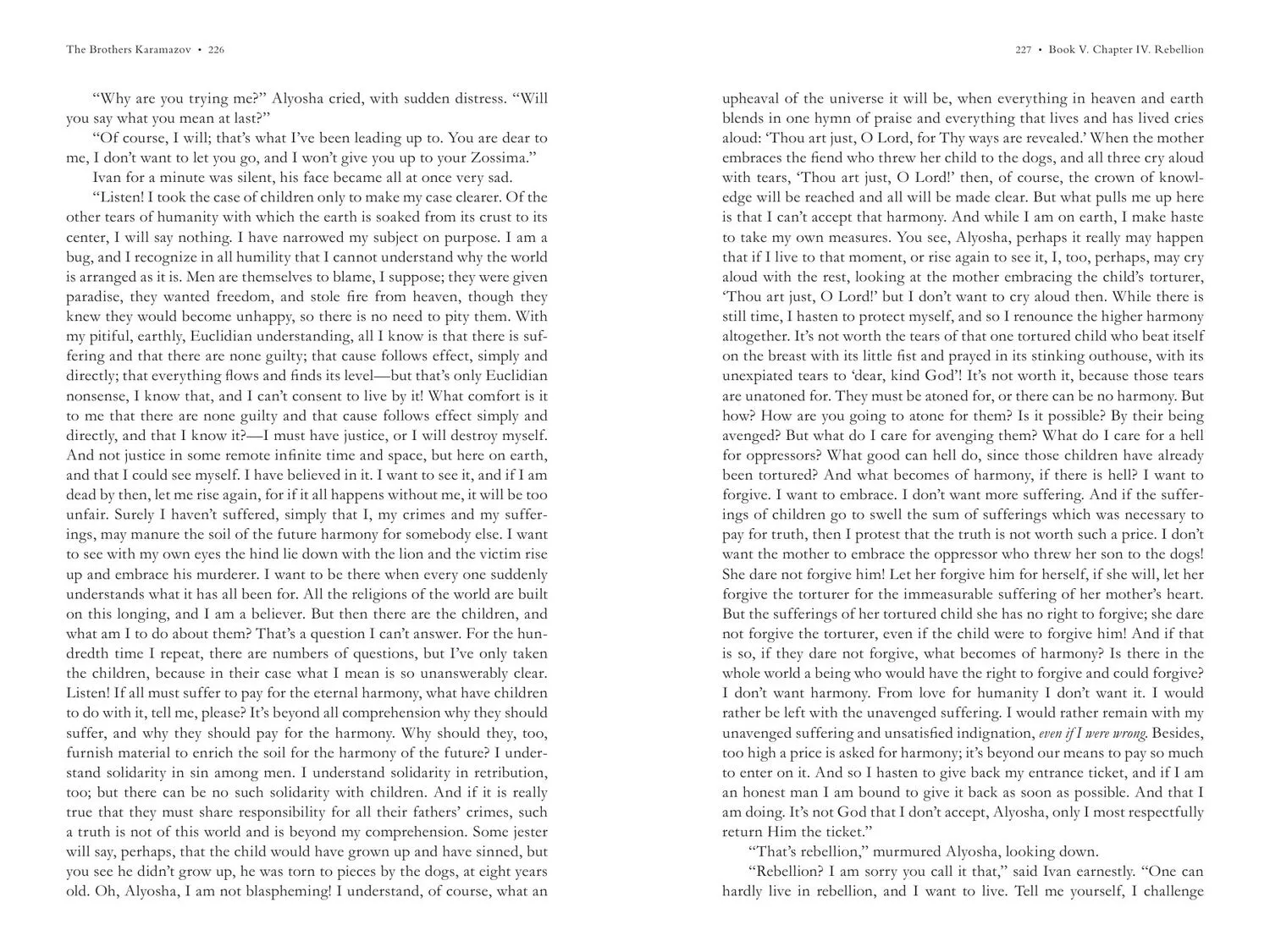
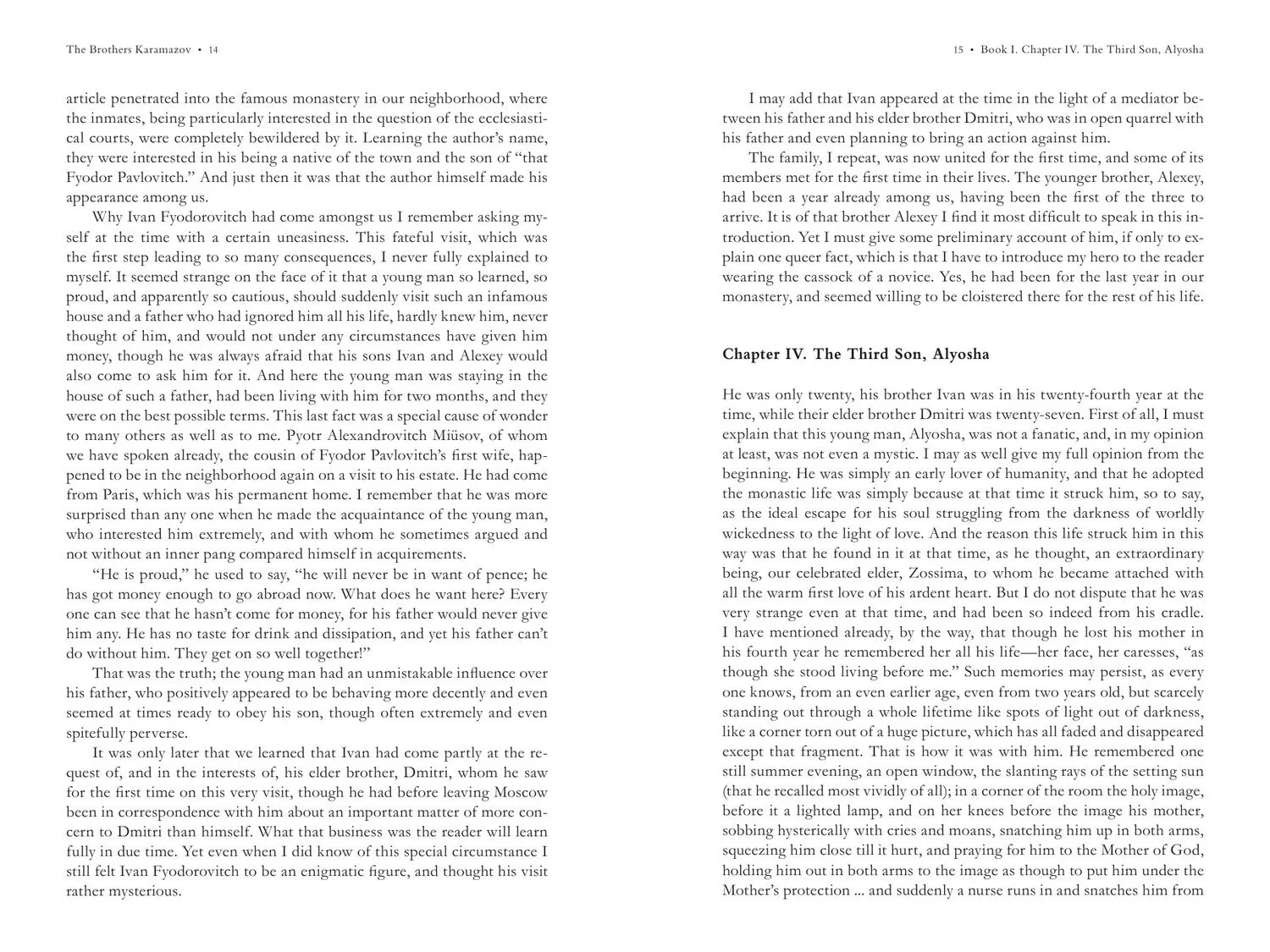
“The Brothers Karamazov is a fundamentally Christian story. I say this because the novel’s telos (the ultimate goal or end) is hope: hope in God’s promises, hope in the future, and ultimately hope in the Gospel of Jesus Christ.” So begins Dulcinea C. Stutzman’s introduction to this edition.
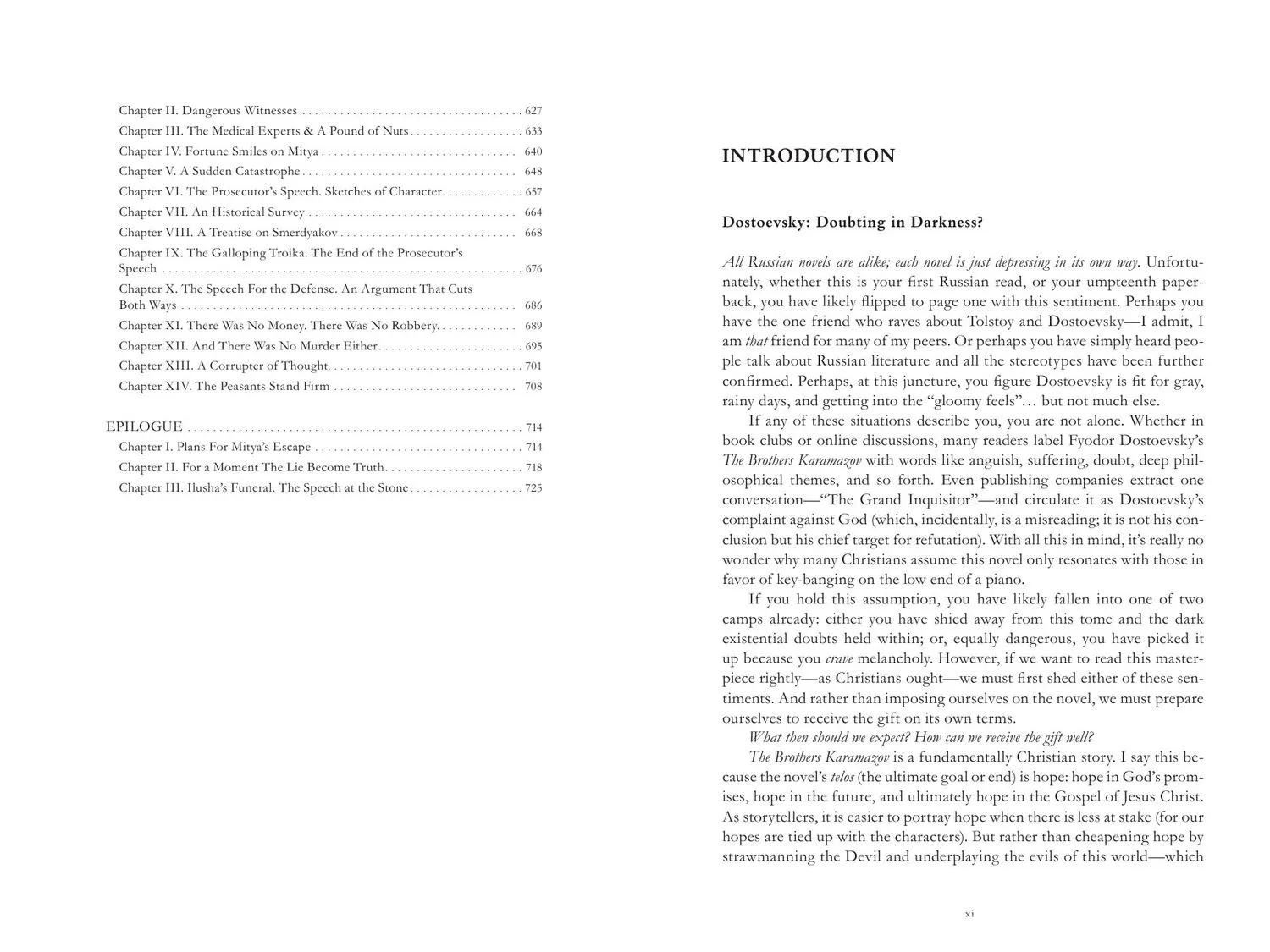
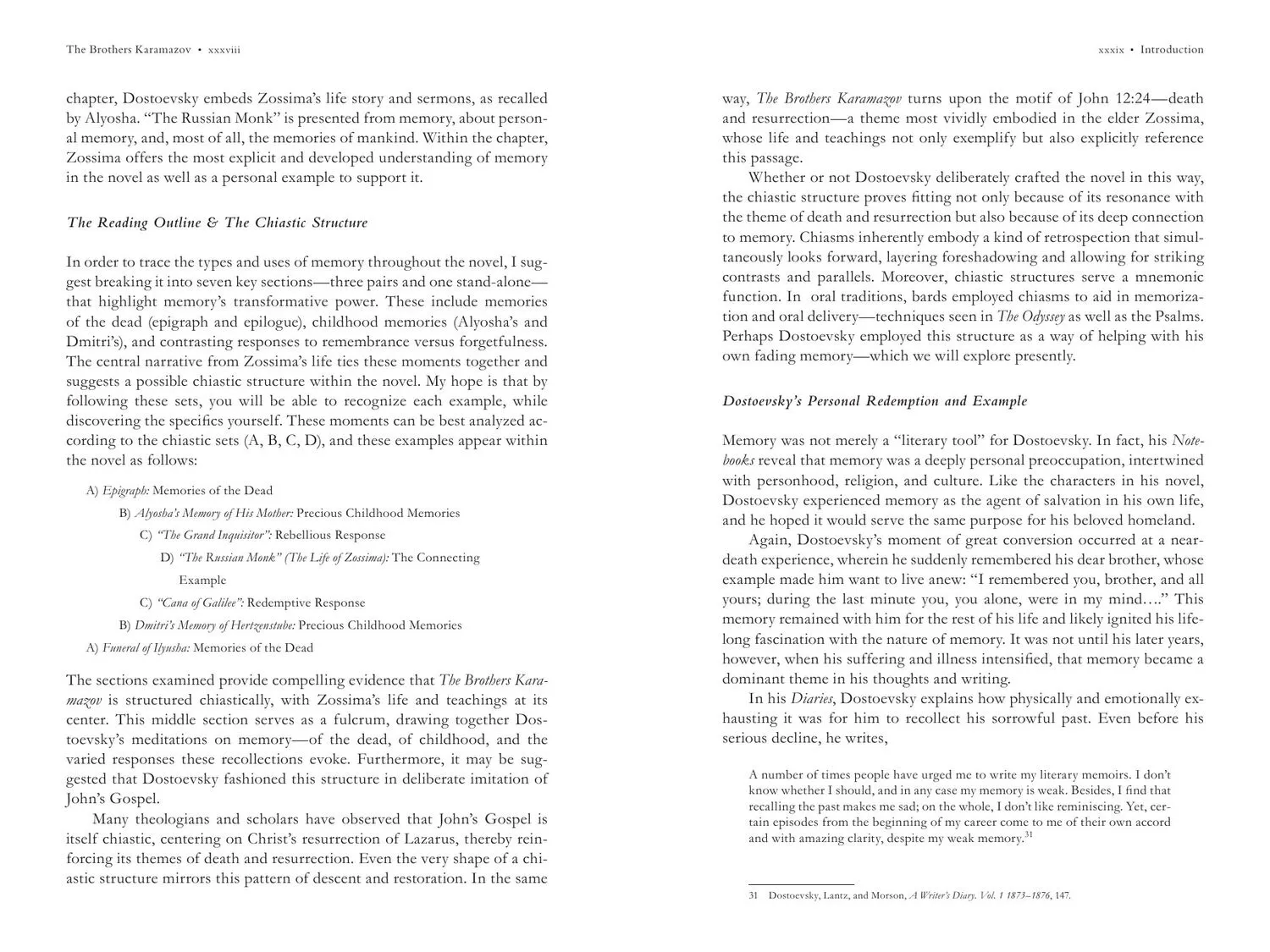
The novel carries the lifelong wrestlings of a deeply faithful man, one who suffered the death of his mother, poverty, epilepsy, a harsh father who was later murdered by serfs, a mock execution and exile, the death of a son, and the loss of his own memory. His hope was not put out. Stutzman’s introduction tells that life, reads the novel through the Orthodox hymn Memory Eternal, and gives a reading outline with “The Russian Monk” at its center. As she puts it, reading “The Grand Inquisitor” as Dostoevsky’s complaint against God “is a misreading; it is not his conclusion but his chief target for refutation.”
The novel is complete, in Constance Garnett’s translation, set in a large, clean 6 × 9 page.
“It’s not God that I don’t accept, Alyosha, only I most respectfully return Him the ticket.”
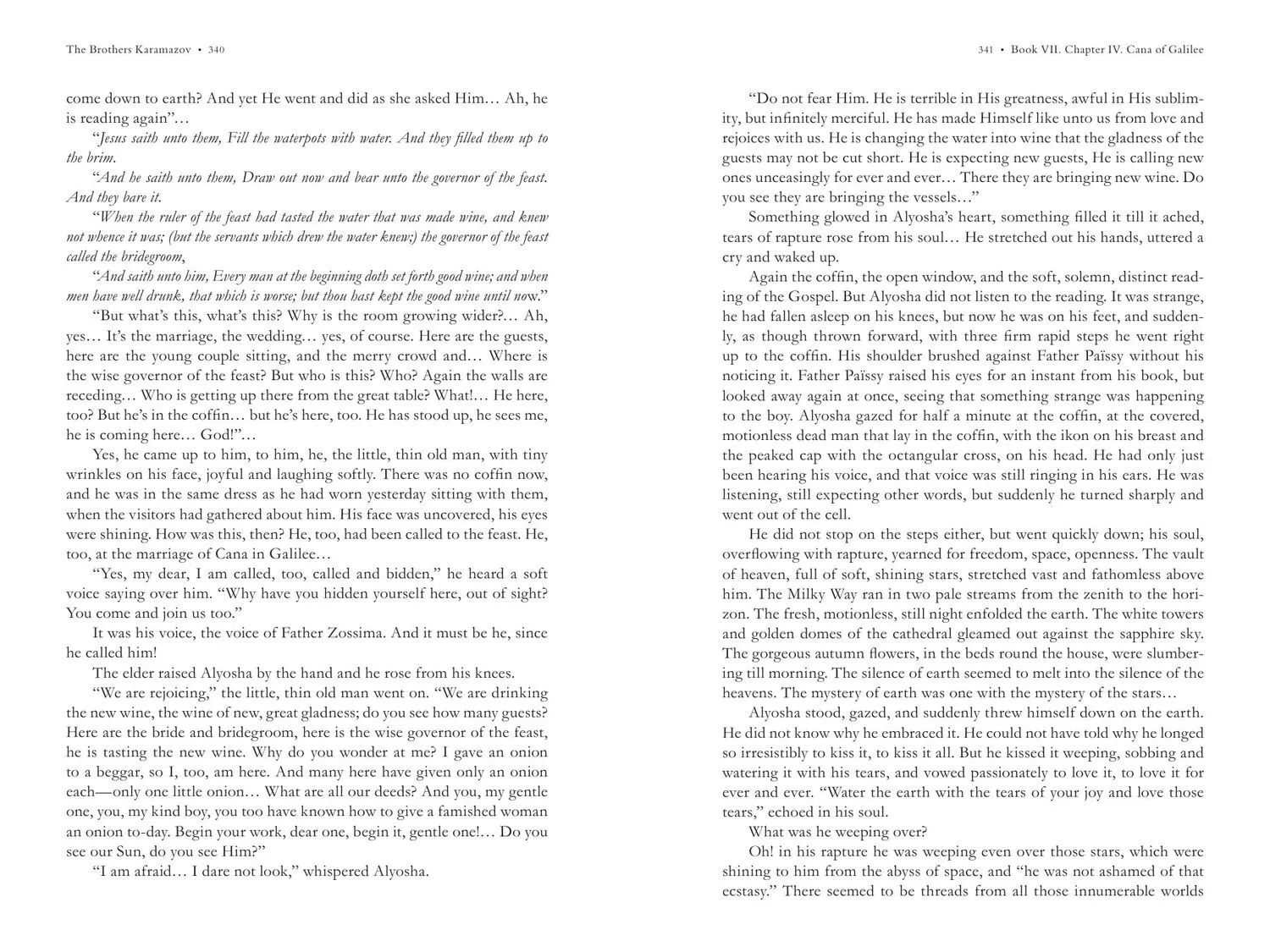
“But there is a Being and He can forgive everything, all and for all, because He gave His innocent blood for all and everything.”
“By the experience of active love. Strive to love your neighbor actively and indefatigably.”
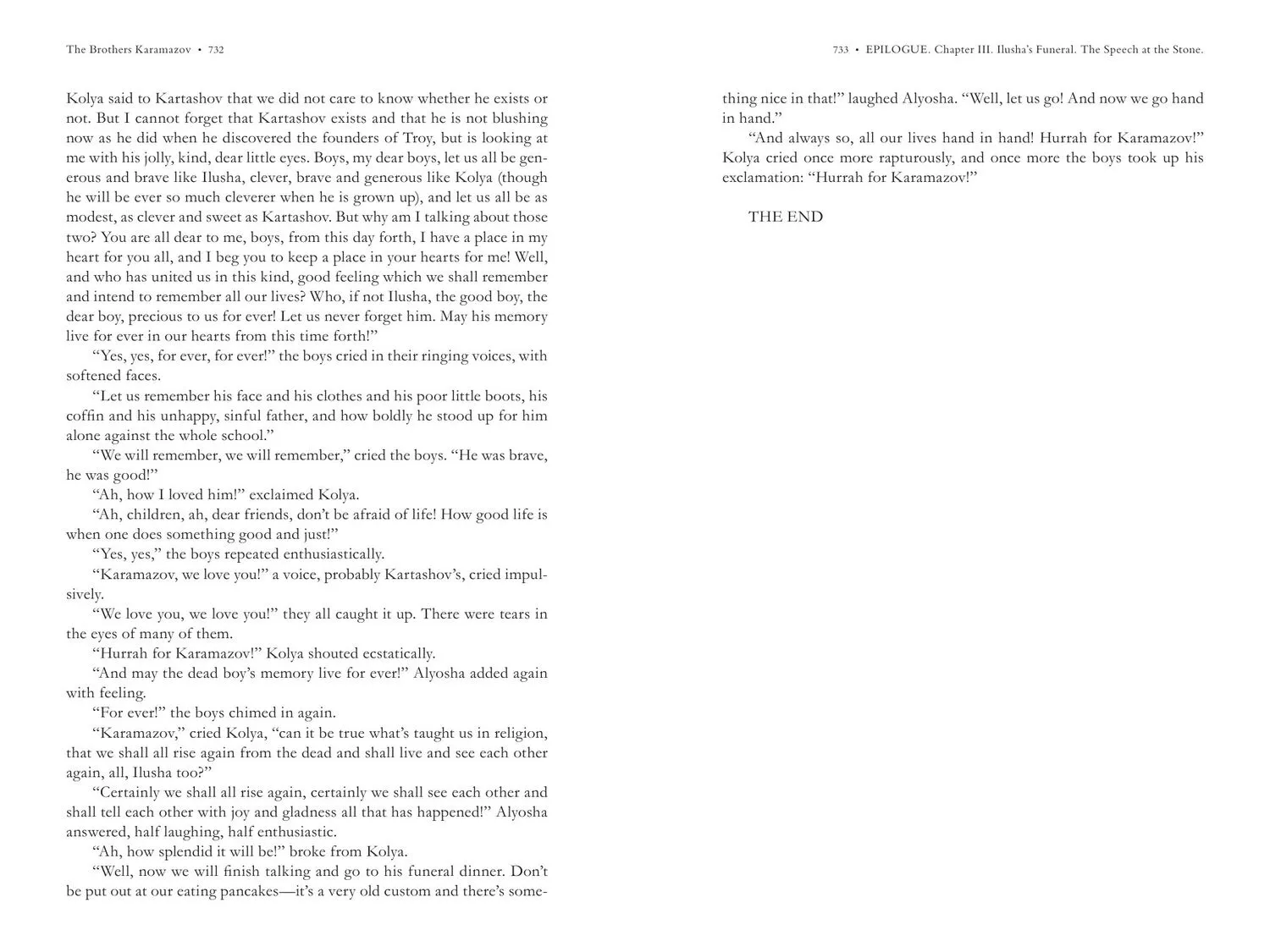
“Certainly we shall all rise again, certainly we shall see each other and shall tell each other with joy and gladness all that has happened!”
 Play
Wes Callihan gives a lecture to The Brothers Karamazov, after Austen and Dickens, and before Chekhov, Tolkien and C. S. Lewis.

 After Hours · Jul 27, 2026 · 1 h 27 min
For Dostoevsky, memory was a liturgical practice symbolically similar to the Lord’s Table: it was both necessary to man’s unification with God and a means of participation with the divine. The blessing “Keep Him and He will Keep you” in The Brothers Karamazov reflects this concept, translating to the promise: “Remember Him, and He will remember you.” Here, memory is not a passive recollection but an active, sustaining force in the relationship between God and man.
Dulcinea C. Stutzman lives in Moscow, Idaho, where she earned a B.A. in Liberal Arts and Culture from New Saint Andrews College. During her undergrad, she completed a double thesis titled Saving Russian Souls: Memory Eternal in The Brothers Karamazov. Portions of that work have been adapted into this volume. She is currently pursuing an M.A. in Humanities at Ralston College in Savannah, Georgia. She is a practitioner of the fine arts, with works exhibited in galleries, as well as friends’ living rooms. In this and other endeavors, she is committed to the pursuit of Beauty.
Not a collection of Christian poetry, but a Christian collection of poetry: the poems every English-speaking Christian should know.
Spenser’s poetry of courtship and marriage, and the symbolic world it teaches us to read.
Orchestra, Nosce Teipsum and more: Elizabethan verse on the order of creation and the soul.
Everyone focuses on Satan. Nobody focuses on Christ.
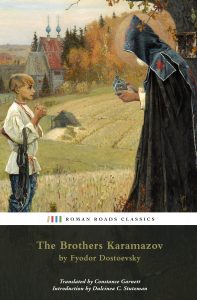
The Brothers Karamazov
$28.95 · Print edition includes the eBook