
 Unit 1 · Reader Vol. 13
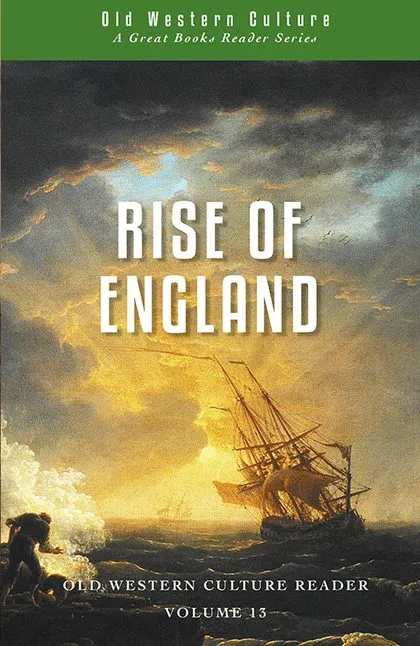
Rise of England
Shakespeare: King Lear, Richard III, The Merchant of Venice, Sonnets; Donne, Herbert, Marvell: poems; Milton: Paradise Lost
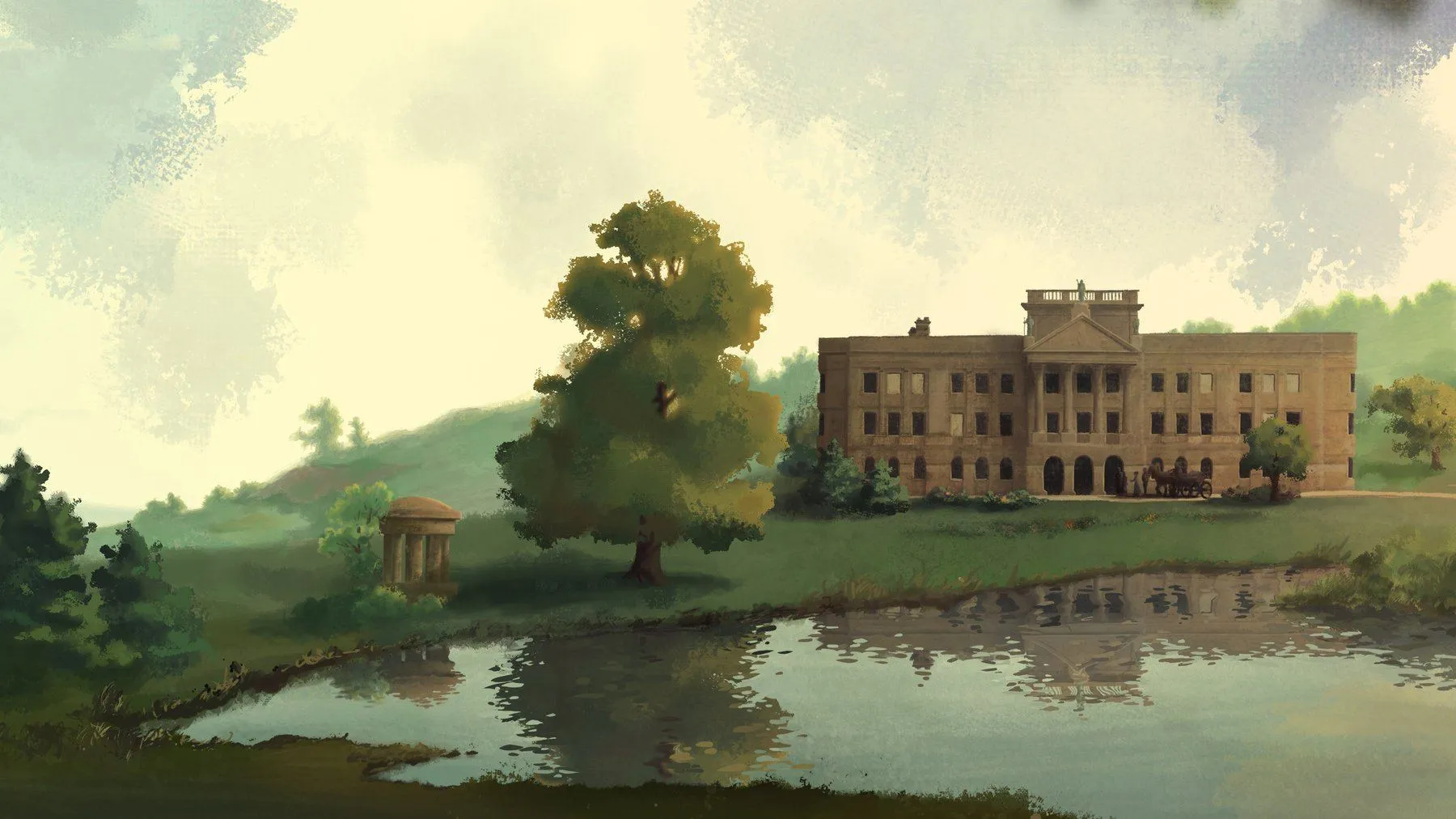
Shakespeare and Milton, the Enlightenment and the Romantics, then the great novels, all the way to Tolkien.
Old Western Culture: Early Moderns, is a full-year literature and history curriculum for high school students (and above). Learn about the greatest and most influential works from the early modern period. Study the poetry, theology, novels, and political treatises of this period from a Christian perspective.
Most families buy the year. Any unit can also be bought on its own.
Unit 1 · Reader Vol. 13Shakespeare: King Lear, Richard III, The Merchant of Venice, Sonnets; Donne, Herbert, Marvell: poems; Milton: Paradise Lost
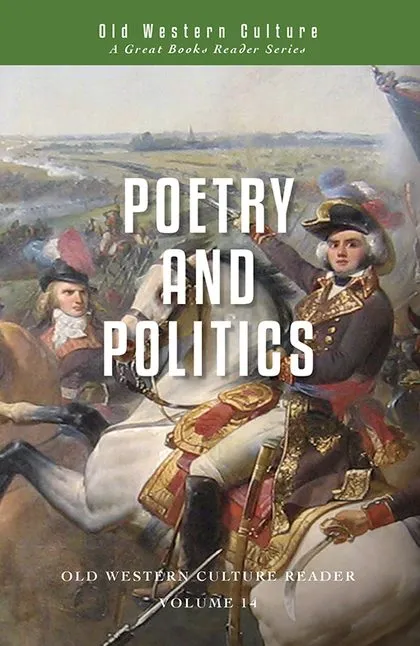
 Unit 2 · Reader Vol. 14
Pope: An Essay on Criticism, An Essay on Man; Burke: Reflections on the Revolution in France; Coleridge: The Rime of the Ancient Mariner; Wordsworth, Byron, Keats, Shelley: poems; Tocqueville: Democracy in America; Poe: poems and stories; Tennyson, Browning, Arnold, Rossetti, Hopkins: poems
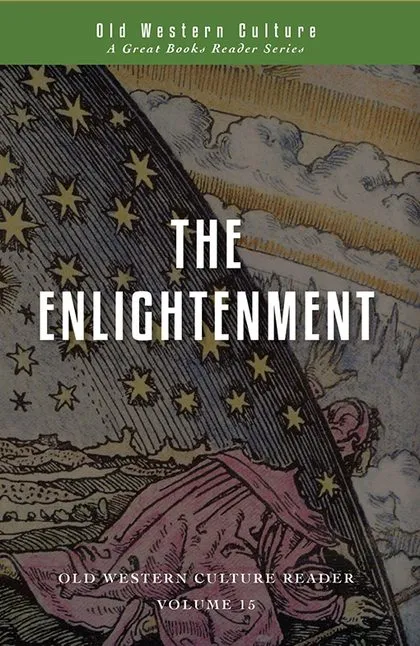
 Unit 3 · Reader Vol. 15
Galileo: Letters; Descartes: Discourse on Method; Newton: Principia; Hume: An Enquiry Concerning Human Understanding; Kant: What Is Enlightenment?; Reid: An Inquiry into the Human Mind
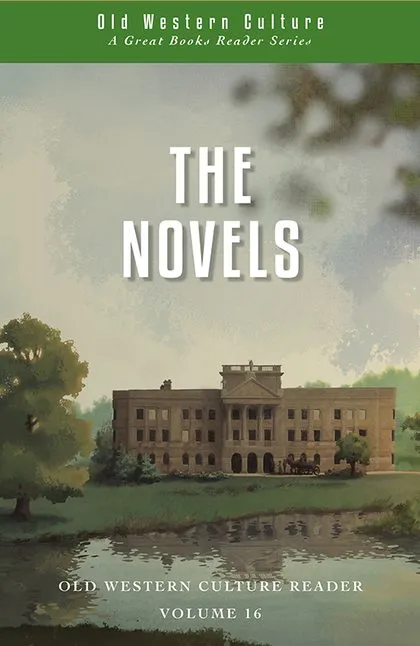
 Unit 4 · Reader Vol. 16
Jane Austen: Pride and Prejudice; Dickens: A Christmas Carol; Dostoevsky: The Brothers Karamazov; Chekhov: The Bet; Tolkien: The Lord of the Rings; C. S. Lewis: essays
Each lecture opens with a short review, then summary, commentary and connections across history, art and theology. The first lecture of each unit is free. Taught by Wes Callihan & Peter Leithart, Wesley Callihan, Mitch Stokes, Wes Callihan & Jonathan McIntosh.
 Lecture 1 · Introduction to Early Moderns · 25 min · free
Plays here on the page.
Every assigned text is in the four Readers, printed or as the eBooks that come with the course. Students are welcome to use other editions of the great books they already own with this course. The video lectures reference Latin or Greek line numbers, which allows a broader use of editions for those who prefer to bring their own.
Shakespeare: King Lear, Richard III, The Merchant of Venice, Sonnets; Donne, Herbert, Marvell: poems; Milton: Paradise Lost
Pope: An Essay on Criticism, An Essay on Man; Burke: Reflections on the Revolution in France; Coleridge: The Rime of the Ancient Mariner; Wordsworth, Byron, Keats, Shelley: poems; Tocqueville: Democracy in America; Poe: poems and stories; Tennyson, Browning, Arnold, Rossetti, Hopkins: poems
Galileo: Letters; Descartes: Discourse on Method; Newton: Principia; Hume: An Enquiry Concerning Human Understanding; Kant: What Is Enlightenment?; Reid: An Inquiry into the Human Mind
Jane Austen: Pride and Prejudice; Dickens: A Christmas Carol; Dostoevsky: The Brothers Karamazov; Chekhov: The Bet; Tolkien: The Lord of the Rings; C. S. Lewis: essays
Old Western Culture is intended for mature and discerning students; we recommend it for ages 14 and up. The course deals with mature themes such as paganism, sexual immorality, battle scenes (mostly in the reading) and classical paintings, and is meant to equip your child with a Biblical lens for them. We assume a working knowledge of the Bible and basic Christian doctrine.
Two high-school credits: an integrated humanities credit, or one literature and one history credit. The credit assumes the lectures, the reading, the daily questions and the four unit exams.
Four nine-week units; plan on one to three hours a day, with 30–40 pages of reading. The Honors schedule reads everything; the Essentials schedule reads a shorter selection and still watches every lecture.
No. The Reader eBooks are in the app with the course, and the editions already on your shelf work too. We do recommend reading in print; the Readers’ advantage is every assigned text in one volume per unit.
Both work with the lectures. The Workbook (PDF included with the main curriculum; printed edition available as add-on) holds the questions for every lecture and reading with an answer key. The Companion is the fuller book: schedules, more questions at four levels, and the Digressios. Use it beside the workbook or in its place. The Early Moderns Companions follow from 2027; until then this year uses the Workbook.
Yes. Students watch at home and discuss in class, or a teacher lectures live. Ask us about group licensing.
No. You buy it once and it is yours for life.
The complete digital year, from $299. Add the printed Readers and workbooks above.