
The Roman Roads Press blog
Essays on classical education · page 3
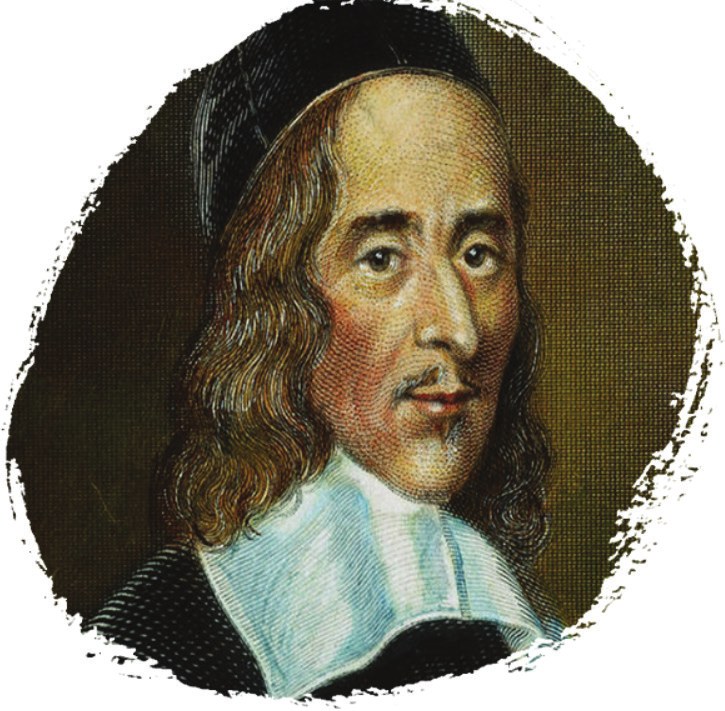 Poetica“Heaven,” by George HerbertGeorge Herbert’s echo poem, in which each answer is the last syllable of the question.Roman Roads PressHumanitasThe Grace of Cultivated DesireDesire is not the enemy. On eros, fidelity, and teaching children to want the right things.David FoucachonLitteraeLike Water upon SandAugustine’s grief for his friend in the Confessions, and what it teaches about loving friends in God.Wes CallihanHumanitasThe Face of ManOn gazing at the human face, with Berdyaev and Capon.Joshua GibbsLitteraePheidippidesA short story of Marathon, told by a soldier of Athens.Olivia MarstallThemaEnchanting the Elves: Tolkien’s Gospel Inversion of FaërieIn Tolkien’s Faërie it is the hobbits who enchant the elves. How The Lord of the Rings turns the fairy story inside out.Dr. Jonathan McIntosh
 Latin: Our LegacyShow me the person sold on the value of classical education, and you’ve shown me someone who’s had to reckon with Latin. Latin, the uncomfortable and ostensibly stern, wizened great-grand-uncle at family…Lydia Foucachon
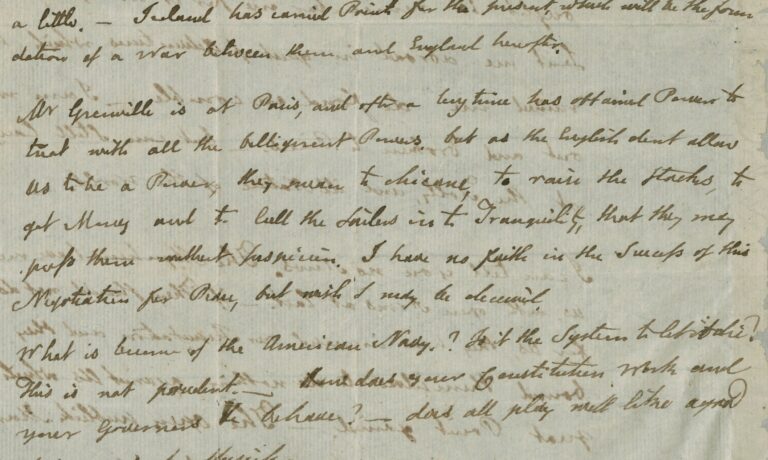 HumanitasEavesdropping on the Great Conversation: John Quincy Adams and His Father, 1780Twelve-year-old John Quincy Adams sends his father an account of his studies for a day, and John Adams answers.Roman Roads PressPedagogicaCommonplaces: Quotes for CopiousnessSix quotations for a commonplace book, from Samuel Johnson to Livy.Roman Roads PressHumanitasEavesdropping on the Great Conversation: John Adams Urges His Son to Read Thucydides, 1777John Adams writes to his ten-year-old son about the history he most wants him to master.Roman Roads PressClassical EducationDoxological Pedagogy (Part Six)We need to begin this next part of the discussion by further clarifying something that was said toward the end of the previous post. In the Convivio, Dante pictures the liberal arts…Dr. Joe CarlsonClassical EducationDoxological Pedagogy (Part Five)Dante opens the second treatise of the Convivio with an explanation of what has of old been called the quadriga, or the fourfold method of interpretation. This approach seeks to discover (in…Dr. Joe Carlson
New essays by email
Join the Roman Roads newsletter for new essays, books and curriculum news.
You’re on the list.