Dante’s Inferno
$21.95View & buy
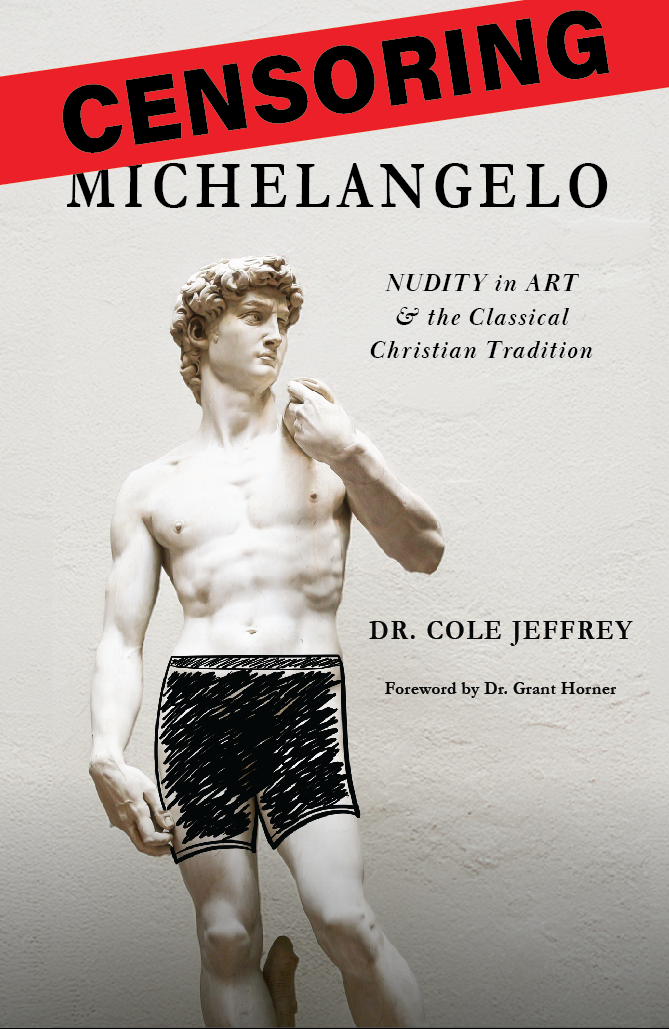
Nudity in Art & the Classical Christian Tradition
Dr. Cole Jeffrey · Foreword by Dr. Grant Horner
Since the Renaissance, there has been a fundamental tension in Western civilization between the artistic impulse to celebrate the naked human body and the religious impulse to censor it. These impulses collide in the world of classical Christian education.
Dr. Jeffrey makes the case, from Scripture and the classical Christian tradition, that Christians can look at nudity in art in ways that glorify God and edify their souls, and he shows parents and teachers how to help students see them rightly.
Florence, 1504
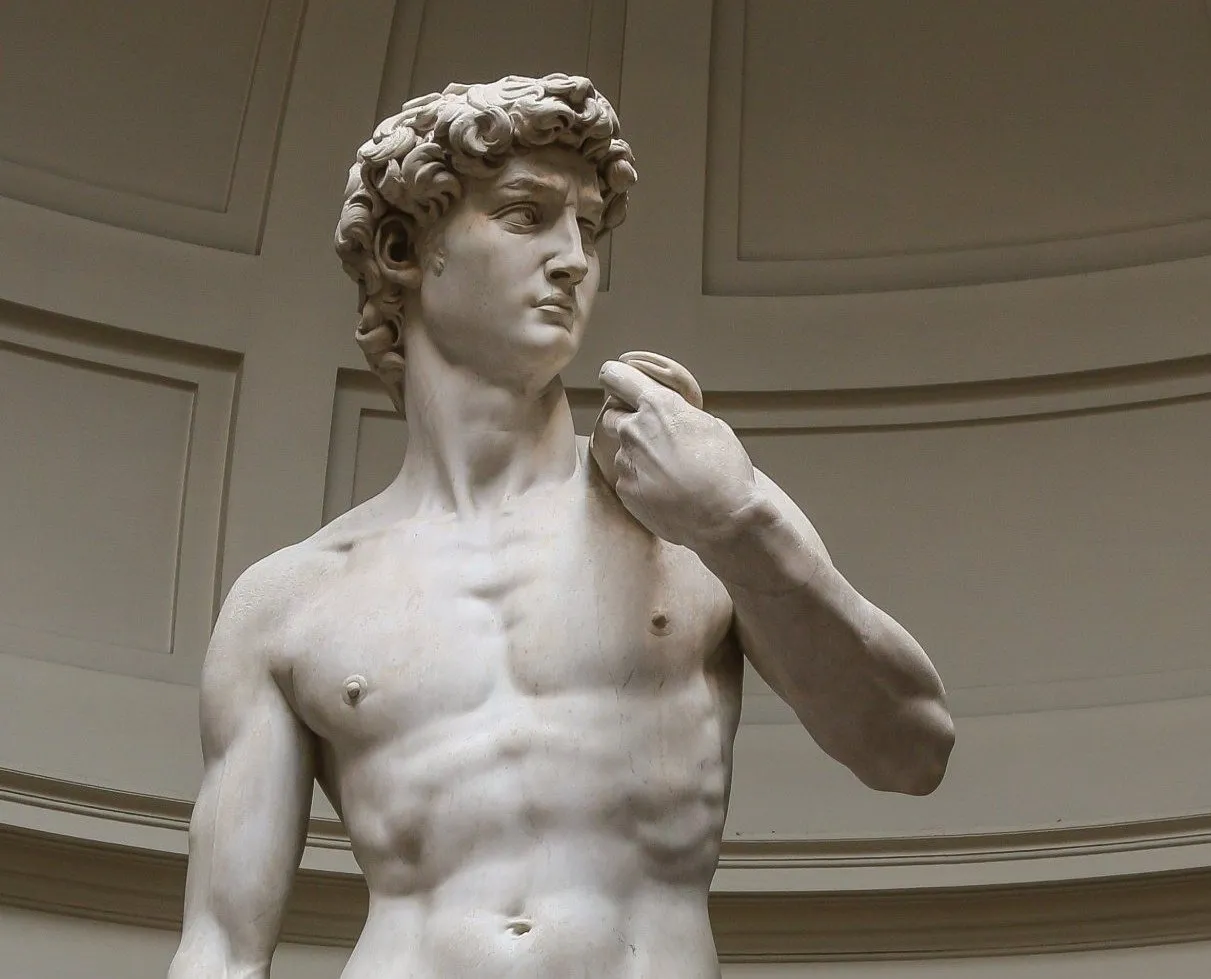
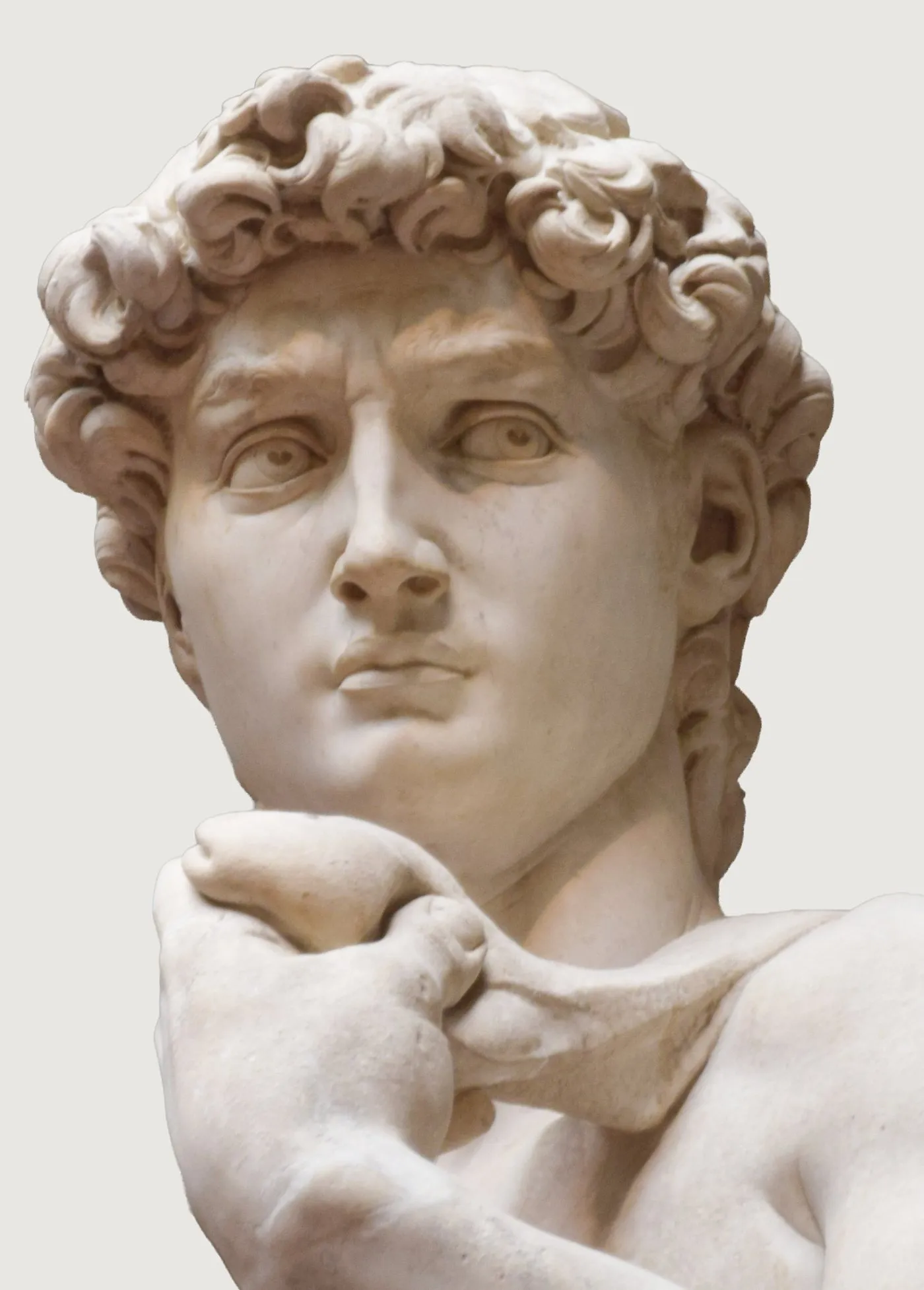
When Michelangelo’s David was unveiled in 1504, many Florentines were awed by his work. His statue was colossal: it stood seventeen feet tall and weighed over twelve thousand pounds. The sixteenth-century biographer Giorgio Vasari believed Michelangelo’s David “eclipsed all other statues, both modern and ancient” and was greater than “any other piece of sculpture done in our times or in any other period.”
But not all Florentines shared Vasari’s appreciation. This was the first time in centuries that a nude statue like this had been publicly displayed. Some Florentines were appalled, not awed, by the sight.
Five centuries on, classical Christian schools are still deciding what to do with him.
“I challenge anyone, anywhere, to name anything more beautiful than the human form.”
The argument
“The goal of this book is to defend a simple thesis: Christians can look at nudity in art in ways that glorify God and edify their souls.”
How the book is built
Each chapter answers a different reader’s objection, in the order a doubtful reader would raise them.
“Chapter 1 is written for Christians who believe the naked body should never be depicted in art because it is inherently shameful.”
“In Chapter 2, I explain what it means to look at the naked body the right way in art.” Nude art and pornography may share a subject; this chapter shows why they are not the same thing.
“Chapter 3 is written for readers who want to understand why studying nude art is a vital part of a classical Christian education.”
“Chapter 4 is for readers who want a practical example of what it looks like to teach students how to see a nude artwork.”
There are no nude images in the Introduction or in Chapters I and II.
“His thesis is straightforward: There is in fact a thoroughly biblical way to encounter and understand nudity in art in a theological and edifying manner.”
“I would argue that lust, like hate, is a failure of the imagination.”
“Parents, teachers, and administrators have a responsibility to protect children from sin while they are young. But they have a far more important responsibility to prepare them to overcome sin when they are older.”
“Your children will always be exposed to images that devalue or dehumanize the body. They are guaranteed to see these bad images. But they are not guaranteed to see good images.”
A look at three great works
The book walks through three great masterpieces, providing practical examples.
“David is a biblical hero, but he has the body of a Greek god.”
Chapter III · David & the Renaissance Self“Rembrandt shows us Bathsheba contemplating her fate, and he invites us to contemplate it with her.”
Chapter IV · Rembrandt’s Radical Bathsheba“Even when naked, Beauty is hidden from us.”
Conclusion · Love’s Face & Venus’s BackContents
A Foreword, an Introduction, four chapters and a Conclusion, with 267 footnotes.
The fourteen pictures are in Chapters III and IV and the Conclusion.
Dr. Cole Jeffrey is an Associate Professor of English Literature at Charleston Southern University. He received his PhD from the University of North Texas (2017). His research focuses on the relationship between Reformed theology and Renaissance aesthetics. His work has appeared in Renaissance Drama and Milton Quarterly. He and his wife, Courtney, have three boys.
Dr. Grant Horner is the author of Meaning at the Movies (Crossway, 2010). He has, in his words, “taught regularly in Italy for twenty years,” and his Foreword begins in Florence, in the Brancacci Chapel, before Masaccio’s Adam and Eve: “I have taken hundreds of students into this chapel. All gasp. Some weep.”
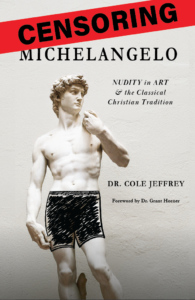
Censoring Michelangelo
$26.95 · With the eBook free in the Roman Roads app